Tag: mattress buying guide

  • Best Mattress for Heavy People: Support & Comfort Guide

    Best Mattress for Heavy People: Support & Comfort Guide

    If you're reading this, there's a good chance your mattress feels fine for the first few minutes, then starts working against you. Your hips dip. Your lower back tightens. The edge collapses when you sit down to put on socks. And no matter how many times you rotate the bed, your body keeps finding the same worn-out spot.

    We hear this a lot from shoppers who need a mattress built for a heavier body. They often assume they chose the wrong firmness, or that they just need to "get used to it." Usually, that's not the actual problem. The underlying issue is that many mattresses aren't built with enough structural support, durable materials, or edge reinforcement to hold up well under more weight night after night.

    The good news is that finding the best mattress for heavy people doesn't have to mean chasing hype or memorizing a bunch of mattress jargon. Once you understand why certain designs work better, you can test beds with a clear eye and make a much more confident choice in person.

    Why Your Current Mattress Is Failing You

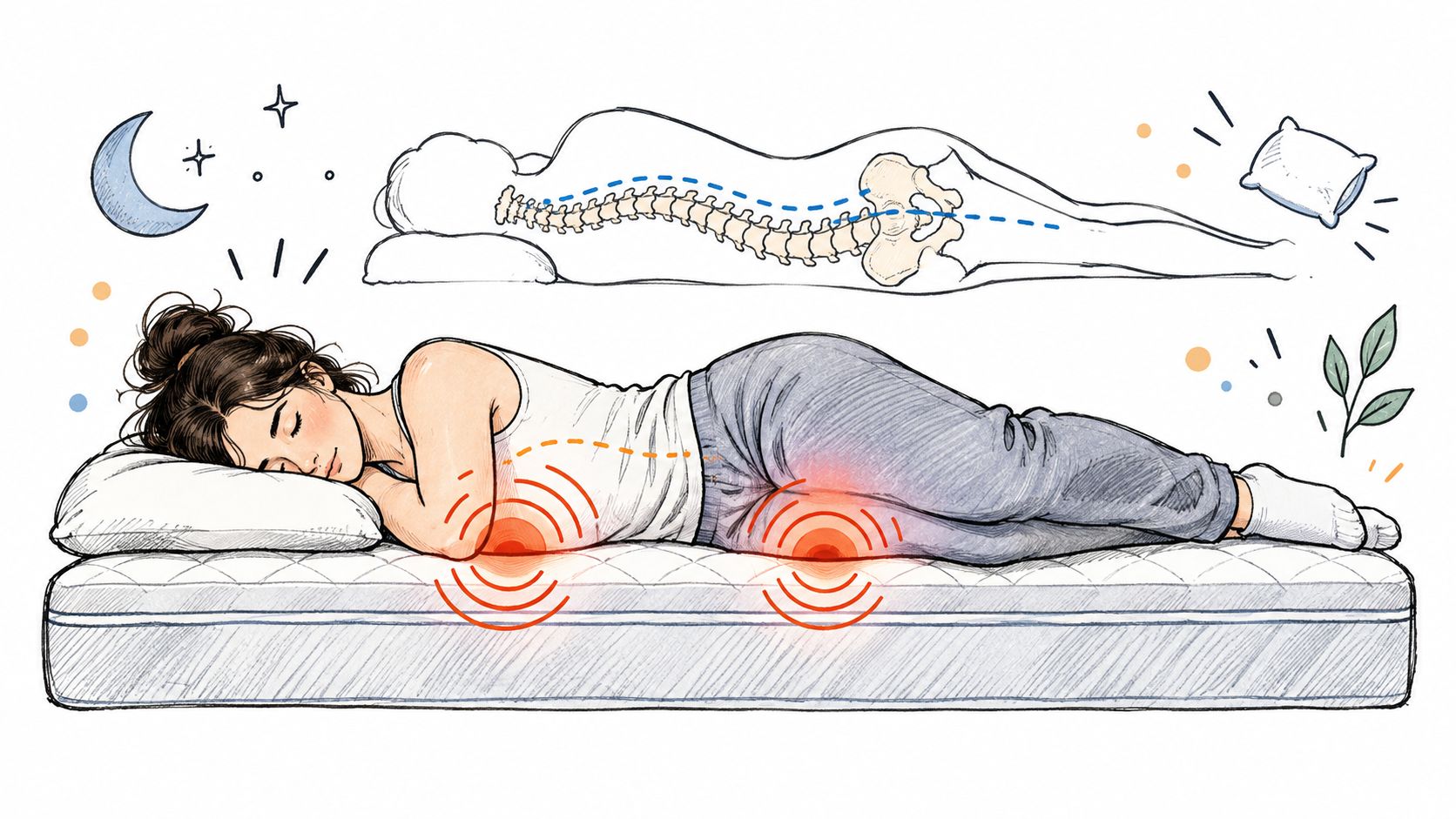
    You lie down at night, and for a few minutes the bed feels soft enough. By morning, your hips have settled into a low spot, your lower back feels tight, and the edge gives way when you sit up. That is not a sign that you chose the wrong pillow or slept in a strange position. It usually means the mattress is no longer holding your body in a stable shape.

    For heavier sleepers, this happens for a simple reason. Many mattresses are built to create a pleasant first impression, but they are not built to keep the heaviest parts of the body lifted evenly night after night. A mattress has to handle weight the way a good bridge handles traffic. If the middle is underbuilt, that is where the strain shows up first.

    Your body is usually noticing structural problems before you are

    The symptoms tend to show up in everyday use:

    • You drift back into the same spot. Body impressions can make the surface feel like it has a dent with your name on it.
    • Your hips sit lower than the rest of you. That can pull your spine out of a neutral position.
    • The side of the bed feels unstable. You notice it when sitting down, standing up, or sleeping near the edge.
    • You wake up sore in your lower back, hips, or shoulders. The mattress may be cushioning one area while failing to support another.
    • The bed feels older than it should. Comfort layers soften, support fades, and the mattress stops feeling level.

    As noted earlier, testing cited by NapLab found that standard mattresses often wear out faster under people above 250 pounds, with more sagging and a shorter useful life than many shoppers expect.

    That helps explain a frustrating experience we hear often at Woodstock. Someone buys a bed that felt comfortable in the showroom, then a few months later it feels uneven, harder to move on, and much less supportive.

    A mattress can feel inviting on day one and still fail once your body spends full nights on it. Comfort in the first five minutes is not the same as support at hour six.

    Why a soft feel can still lead to a rough morning

    This is one of the biggest points of confusion for shoppers. Plush surfaces can feel wonderful at first because they reduce pressure right away. But if those soft upper layers let your midsection drop too far before the deeper support layers catch you, your body spends the night bent instead of aligned.

    A mattress works a lot like a pair of work boots. Cushioning matters, but the structure underneath matters just as much. If the top feels gentle and the base folds under load, you do not get comfort. You get fatigue.

    Comfort comes from support plus pressure relief. Heavier bodies usually do best on a mattress that feels steady and level, with enough cushioning to avoid pressure points and enough underlying strength to keep the spine from bowing. That balanced feel is often less flashy in the showroom, but much more dependable after a full night of sleep.

    The Three Pillars of a Great Mattress for Heavier Sleepers

    A heavier body asks more from a mattress every night. To sleep well, you need three things working together: support, durability, and pressure relief. Miss one, and the bed may feel acceptable in a quick test but frustrating after a full night.

    A conceptual illustration of a person sleeping on a mattress supported by pillars labeled support, durability, and pressure relief.

    At Woodstock, we often explain it like a suspension system. One part keeps the structure level. One part holds up over time. One part softens the impact so the ride does not feel harsh.

    Support means alignment, not hardness

    Support is what keeps your body in a neutral, level position. A mattress can feel very firm and still do a poor job here if it creates pressure points or lets the heaviest parts of your body dip too far.

    For heavier sleepers, good support usually comes from the deeper parts of the mattress, not just the surface feel. In practical terms, that means you want the bed to hold your hips and midsection up while still letting broader areas, like shoulders, settle in enough to stay comfortable.

    That is why showroom language can be misleading. "Firm" tells you how a mattress feels at first contact. "Supportive" tells you how it holds your body after several hours.

    A few construction clues can help. Zoned support can add extra pushback under the middle of the bed. Reinforced edges can keep the perimeter from collapsing when you sit or sleep near the side. A stronger coil system often gives the mattress a steadier, more planted feel under load.

    Durability is what keeps a good fit from turning into sagging

    A mattress also needs to keep performing, not just make a good first impression.

    Heavier sleepers put more stress on foams, fibers, coils, and edges. That is normal. The question is whether the materials spring back night after night or start to compress and stay compressed. Once the comfort layers or support core begin to tire out, the mattress often feels less level, less stable, and harder to move on.

    This is one reason specifications matter beyond the mattress category itself. If you have ever compared bed frames, recliners, or office seating, you have seen the same pattern. Products built for higher loads usually last better because the structure is designed for the job. The same logic applies here, and it is well explained in this guide on understanding the importance of weight capacity.

    As noted earlier, some mattresses built for heavier bodies use stronger coils, denser foams, and higher weight limits than standard models. You do not need to memorize brand names to shop well. You need to notice whether the materials and overall build look ready for years of use.

    A quick visual can help make those ideas easier to compare in action.

    Pressure relief keeps support from feeling harsh

    The third pillar is important because a mattress can hold you up and still feel awful to sleep on. If the surface pushes too hard against the shoulders, hips, or ribcage, your body keeps searching for a better position.

    Heavier sleepers usually need comfort layers with enough give to cushion joints, but not so much softness that you sink through them too quickly. That balance is what many shoppers miss. They try a plush top, feel instant relief, and assume it will stay comfortable for eight hours. Often, it does not.

    A better target is gentle contouring with a steady base underneath. You should feel supported near the surface, not buried in the bed and not perched stiffly on top of it.

    Practical rule: The best mattress for heavy people should let you feel "on" the mattress with some contouring, not swallowed by it and not hovering stiffly above it.

    A simple way to judge the three pillars is to ask what the mattress is doing for your body now, and what it is likely to do after months of use.

    Pillar What it should do What failure feels like
    Support Keeps your spine level Hips sag, lower back aches
    Durability Holds shape over time Early body impressions, sagging
    Pressure relief Cushions joints without collapse Sore shoulders, hips, numbness

    Once you start looking through that lens, mattress shopping gets much clearer. You are no longer chasing the softest first impression. You are judging whether the bed is built to keep your body aligned, comfortable, and well supported over the long haul.

    Key Mattress Features and Specifications to Demand

    A mattress tag can feel like reading the back of a cereal box. There are plenty of ingredients, but the question is simple. Which parts matter for your body once you lie down for eight hours?

    For heavier sleepers, the useful specs are the ones that tell you how the mattress handles load over time. We are not trying to collect fancy material names. We are trying to spot clues that the bed will stay supportive, stable, and comfortable after the showroom first impression wears off.

    A cross-section diagram of a hybrid mattress showing its internal foam and coil construction layers.

    Start with weight capacity and edge support

    If the edge compresses too easily when you sit down, pay attention. That often means the perimeter is not reinforced well enough, and the bed may feel smaller and less stable once your full weight is on it.

    That matters for couples, taller sleepers, and anyone who uses the side of the bed to get in and out. Strong edges usually point to a mattress with a more serious support system overall, especially in hybrids.

    This idea shows up in other furniture categories too. If you have ever compared office chairs or heavy-duty seating, you have already seen the same design logic. Materials, structure, and stated load limits all tell you how a product is meant to perform. That principle is explained well in this guide on understanding the importance of weight capacity, and it applies directly to mattress shopping.

    Look past the cover and into the support core

    The top few inches affect comfort. The support core decides whether your spine stays in a healthier position through the night.

    A showroom model can feel plush for five minutes and still be the wrong choice if the layers underneath are too weak. We tell shoppers to treat the support core like the frame under a house. You do not see it first, but it carries the load every day.

    Features worth asking about include:

    • Reinforced coils: Better resistance to compression than lighter spring units
    • Zoned support: Extra support under the hips and midsection, where heavier bodies often need it most
    • Dual-coil construction: Found in some premium mattresses and often helpful for long-term stability
    • High-resilience foams or latex: Usually better at holding shape than lower-density, softer foams

    Analysts at RTINGS found that mattresses built with dual-coil layers and high-resilience materials like latex resisted indentations more effectively than standard polyfoam designs in compression testing. That helps explain why some beds keep their shape longer while others develop body impressions sooner.

    If that sounds technical, here is the practical version. Ask yourself whether the mattress is built to spring back after pressure, or whether it seems designed mainly to feel soft at first touch.

    Why certain specs matter more than marketing language

    Brands often spotlight quilted covers, cooling fabric names, or plush pillow tops. Those details can add comfort, but they do not tell you much about whether the mattress can keep a heavier sleeper aligned.

    The more useful questions are straightforward. Is the perimeter reinforced? What supports the center third of the bed? Are the foams described as high-resilience or latex, or do they sound generic? Is there any stated guidance about how much weight the mattress is designed to handle?

    The salesperson can help clarify those details. If the answers stay vague, that is useful information too.

    A mattress built for heavier bodies usually has a pattern you can recognize once you know what to look for. Stronger coil support. Better edge reinforcement. Materials that recover shape instead of staying compressed. That pattern matters more than any single brand name on the label.

    If a mattress description spends a lot of time on softness and very little time on support structure, ask more questions before you trust the first feel.

    A simple spec checklist to bring with you

    If you are shopping in person, keep this list handy:

    Feature Why it matters for heavier sleepers
    Hybrid or heavy-duty support core Usually provides better lift and structure
    Reinforced edge support Improves stability and makes more of the bed usable
    Zoned support Helps limit extra sink through the midsection
    Latex or higher-resilience foam Tends to keep its shape better than basic soft foam
    Clearly stated weight handling Shows the mattress was designed with load in mind

    At Woodstock Furniture & Mattress Outlet, shoppers can compare several constructions in person, including brands such as Tempur-Pedic, Stearns & Foster, Sealy, Helix, Nectar, and DreamCloud. That side-by-side testing matters because two mattresses can sound similar on paper and respond very differently once your full body weight is on them.

    Bring good questions with you. Ask what the support core is made of. Ask whether the edge is reinforced. Ask what is under the top comfort layer. The goal is to understand why a mattress should work for you, so you can test it with confidence instead of guessing.

    Comparing Mattress Types for Support and Longevity

    You can learn a lot about a mattress by asking one simple question: what is doing the heavy lifting here?

    For heavier sleepers, that question cuts through a lot of marketing. A mattress may feel soft and inviting for the first minute in a showroom. What matters more is what happens after your shoulders, hips, and midsection have been on it long enough for the materials to respond. Some mattress types keep you level and supported. Others feel good at first, then let your body settle too far.

    A comparison chart of mattress types including latex, memory foam, innerspring, and hybrid for heavy sleepers.

    A useful way to compare mattress types is to look at four practical jobs. Can the mattress hold your body in alignment? Can it keep doing that over time? Does it relieve pressure without letting you sink too much? And does it sleep cool enough for you?

    Hybrid mattresses

    Hybrid mattresses are often the first type we suggest testing in person because they combine two jobs that heavier sleepers usually need at the same time. The coil unit handles support and structure. The comfort layers on top handle cushioning.

    That mix often works well because coils act like the suspension system under a truck. They are there to hold weight, keep the surface from bottoming out, and help the mattress recover shape after pressure is removed. The top layers then fine-tune the feel so your shoulders and hips are not pressing into a hard surface.

    A good hybrid can be a strong fit for back sleepers, stomach sleepers, combination sleepers, couples, and hot sleepers. You often get better edge stability and easier movement than you would on many soft all-foam beds.

    The catch is important. "Hybrid" describes a category, not a performance guarantee. A hybrid with a very plush pillow top can still let a heavier sleeper sink too far through the middle. When you test one, pay attention to whether you feel supported from underneath or only cushioned from above.

    Who hybrids tend to suit best

    • Back sleepers: Usually get a good balance of hip support and surface comfort.
    • Stomach sleepers: Firmer hybrids often do a better job keeping the pelvis from dipping.
    • Couples: Stronger edges and coil support can make the full mattress feel more usable.
    • Hot sleepers: Coils usually allow more airflow than dense foam-only designs.

    Latex mattresses

    Latex feels different from memory foam, and that difference matters.

    Latex has a buoyant, springy response. You lie more on it than in it. For many heavier sleepers, that is a real advantage because the material tends to push back quickly instead of slowly letting the body settle deeper and deeper. It also tends to be easier to move on, which helps if you change positions during the night.

    If your current mattress makes you feel stuck, latex is one of the first materials we would have you try in a showroom.

    Latex can also be appealing for shoppers who care a lot about long-term shape retention. In plain terms, it often keeps its character better than softer, lower-quality foams that compress and stay compressed. A latex mattress or latex hybrid can be especially useful for combination sleepers, back sleepers, and anyone who wants pressure relief without that hugged, slow-moving feel.

    The main point of confusion is comfort. Some shoppers hear "latex" and expect a plush memory-foam sensation. That is usually not what they get. Latex often feels more lifted, more responsive, and a bit firmer than expected at first touch.

    Memory foam mattresses

    Memory foam is not automatically a poor choice for heavier people. The primary concern is whether the foam is paired with enough support underneath and whether the comfort layers are built to resist premature softening.

    Many shoppers get tripped up. They test a soft foam bed for thirty seconds, love the pressure relief, and assume that comfort will hold through the night. Then the hips sink farther than the shoulders, the low back loses support, and turning over starts to feel like climbing out of a shallow crater.

    Dense, better-built foam models can still work well, especially for sleepers who want strong motion isolation and a close contouring feel. Tempur-Pedic is a common example of the feel people are chasing here. But for a heavier sleeper, foam works best when there is enough deep support below the comfort layers to keep the spine from bowing out of position.

    If you are testing a foam-heavy mattress, stay on it long enough to notice the second-stage feel. Ask yourself:

    • Are my hips settling lower than the rest of me?
    • Does my lower back still feel supported after several minutes?
    • Can I roll or change positions without effort?
    • Do the edges feel secure when I sit or lie near them?

    Those answers matter more than the first impression.

    Traditional innerspring mattresses

    A traditional innerspring can still be a good option if you like a flatter, firmer, more lifted sleep surface. These mattresses are often easy to move on and tend to sleep cooler because they use less dense foam near the top.

    For some heavier back and stomach sleepers, that straightforward support can feel great.

    Pressure relief is usually the tradeoff. Basic innersprings often have thinner comfort layers, so side sleepers or anyone with sensitive shoulders and hips may find them too firm. Lower-end models can also feel uneven sooner if the coil unit is not strong enough or if the top padding compresses faster than expected.

    Modern innersprings and hybrid-like innersprings can perform much better than the old bargain models many people picture. The key is still the same. Check what sits above the coils and how stable the mattress feels under your midsection.

    A quick comparison

    Mattress type What it often does well Watch-outs for heavier sleepers
    Hybrid Balanced support, comfort, airflow, edge strength Plush builds can still allow too much midsection sink
    Latex Buoyant feel, easier movement, strong shape retention May feel springier or firmer than expected
    Memory foam Pressure relief, motion control, close contouring Can trap heat and allow deep sink if the support core is weak
    Innerspring Lifted feel, airflow, easier movement May not provide enough cushioning for side sleepers

    The goal is not to pick a winner on paper. It is to know what each construction is trying to do, so you can test the right models with more confidence. If low back pain is your main complaint, start with firmer hybrids or supportive latex models. If sharp pressure at the shoulders or hips is the bigger problem, test hybrids with more thoughtful cushioning on top. If you sleep hot and want to feel lifted rather than hugged, coils and latex usually deserve the first look.

    That knowledge helps you choose by feel and function, not by brand name alone.

    Foundations and Adjustable Bases That Will Not Let You Down

    You can buy a supportive mattress and still end up with a bed that feels off. The weak point is often underneath it.

    We see this in stores all the time. Someone replaces a worn-out mattress, keeps the old base, and expects the whole sleep setup to feel new. Then the center starts dipping, the surface feels uneven, or the mattress seems to soften faster than expected. In many cases, the mattress is only part of the story.

    A pencil sketch of a mattress hovering above a sturdy metal bed foundation on a textured background.

    Why the base changes how the mattress feels

    A mattress and its foundation work like a team. If the base flexes, bows, or leaves too much open space between supports, the mattress has to absorb stress it was not meant to handle by itself.

    That matters even more for heavier sleepers, because more weight is being concentrated into the same few zones every night, especially through the hips and midsection. A mattress on a weak base can start to look defective when the actual issue is poor support underneath. You may feel this as roll-together, a hammock-like center, or edges that seem less stable than they should.

    This is a system problem, not just a mattress problem.

    What a supportive foundation should have

    If you are shopping in person, do not stop at the mattress label. Ask what is holding it up. A base worth considering for a heavier sleeper should offer:

    • Firm, even support across the whole surface
    • Center support for larger sizes, especially queen, king, and California king
    • Very little flex under load
    • Clear compatibility with the mattress warranty and design

    That last point trips people up. Some mattresses are designed for closely spaced slats, while others do better on a platform or a manufacturer-approved foundation. If the support method does not match the mattress design, comfort and durability can suffer.

    Older box springs deserve extra caution. They can look fine from the outside and still have softened enough to let the mattress dip more than it should. That hidden give changes how the bed feels night after night.

    A new mattress placed on a tired foundation often starts to mimic the same problems as the bed it replaced.

    Slats, platforms, and reinforced frames

    Many shoppers ask us whether a simple frame is enough. Sometimes it is. Sometimes it is not.

    The detail that matters is how the weight is carried. Wide slat gaps can let parts of the mattress sink between supports. A frame without strong center legs can bow in the middle over time. A platform with a rigid surface usually gives a more consistent feel, but it still needs solid construction and proper support through the center.

    If you are looking at a metal frame, check how many legs touch the floor, especially in the middle third of the bed. If you are looking at wood slats, ask how far apart they are and whether the manufacturer approves that spacing. These are small details with big consequences.

    Adjustable bases can work well, if the structure is strong

    Adjustable bases are not only for sitting up to read or watch TV. For some heavier sleepers, they can make it easier to reduce pressure under the lower back or take strain off the legs by changing position.

    The key question is stability. In flat mode, the base should feel solid and quiet, without wobble or noticeable sag through the middle. After that, check the lift capacity and mattress compatibility. Many hybrids and latex mattresses work well on adjustable bases, but not every model bends and recovers in the same way.

    A good adjustable base should support the combined weight of the mattress and the people sleeping on it, while still keeping the surface level when flat. Features are nice. Structure matters more.

    When you test a mattress in a showroom, ask what foundation it is sitting on. Then ask whether your home setup will support it the same way. That one question can save you from buying the right mattress for the wrong base.

    How to Test a Mattress Confidently in a Showroom

    Testing a mattress in person can feel awkward if you don't have a plan. Many individuals sit on the edge for a few seconds, press a hand into the top, and call it good. That won't tell you much.

    A better approach is slower and more intentional.

    Spend enough time to feel the truth

    Lie down in your main sleep position and stay there for several minutes. If you're a side sleeper, don't test the bed on your back the whole time. If you switch positions at night, switch positions during the test.

    Pay attention to what your body does after the first moment of comfort. Ask yourself:

    • Are my hips dipping too low?
    • Do I feel pressure building in my shoulder or hip?
    • Does my lower back feel supported or strained?
    • Am I resting on the mattress, or sinking into a hole?

    The first impression matters, but the delayed impression matters more.

    Check the edge and the middle

    Sit on the side of the mattress like you would at home. Notice whether the edge collapses or stays supportive. Then lie near the perimeter and see if you feel secure.

    After that, move back to the center. Some mattresses feel decent at the edge and still let the midsection sink when you're fully reclined. You want both parts to work.

    Test movement, not just stillness

    A mattress can feel comfortable when you're lying perfectly still and still be annoying all night. Roll from your back to your side. Shift your legs. Push yourself up with an elbow.

    If changing positions feels like climbing out of soft sand, that's useful information. For many heavier sleepers, easy movement is part of long-term comfort.

    Bring your sleep partner if you can. A mattress that works for one person in isolation may feel very different once two bodies are on it.

    Ask direct questions

    This is the part many shoppers skip, but it helps a lot. Ask the salesperson what supports the center of the mattress. Ask whether the edge is reinforced. Ask what kind of foundation the mattress requires. Ask which models are built specifically for heavier sleepers.

    You don't need to be a mattress engineer. You just need enough clarity to connect what you feel with how the bed is built.

    Your Top Questions About Mattresses for Heavy People

    A lot of good questions come up after the basics click. Here are the ones we hear most often.

    What if my partner and I have very different body weights

    Start with support, not softness. A mattress that fails the heavier partner usually won't hold up well over time, even if it feels fine to the lighter partner at first.

    That often means looking at supportive hybrids with a balanced feel rather than extremely soft models. If one of you wants contouring and the other needs stronger lift, a hybrid with sturdy coils and a more forgiving top can be a practical middle ground.

    Can a mattress feel soft and still be supportive

    Yes, but it has to be soft in the right layer and strong underneath.

    The best version of this usually looks like a mattress with pressure-relieving comfort materials on top and a durable support core below. You want some cushioning at the surface, but not so much that your hips and torso sink out of alignment. When shoppers say they want a "soft but supportive" bed, they're usually asking for this exact balance.

    Is all-foam always a bad idea for heavier sleepers

    Not always. But it requires more caution.

    Many all-foam beds don't hold up as well for heavier bodies because they can allow deeper sink and lose shape faster. If you love foam feel, test carefully for alignment, edge stability, and ease of movement. Dense foam constructions may work better than soft, inexpensive foam builds, but they still need scrutiny.

    Which material usually lasts longer

    In general, stronger coil systems and latex tend to inspire more confidence for heavier use than basic soft polyfoam.

    That's one reason many of the more durable choices use reinforced coils, latex, or both. Material quality matters at least as much as mattress category. A weak hybrid can still disappoint. A stronger latex hybrid can hold up very well.

    What firmness should a heavier sleeper start with

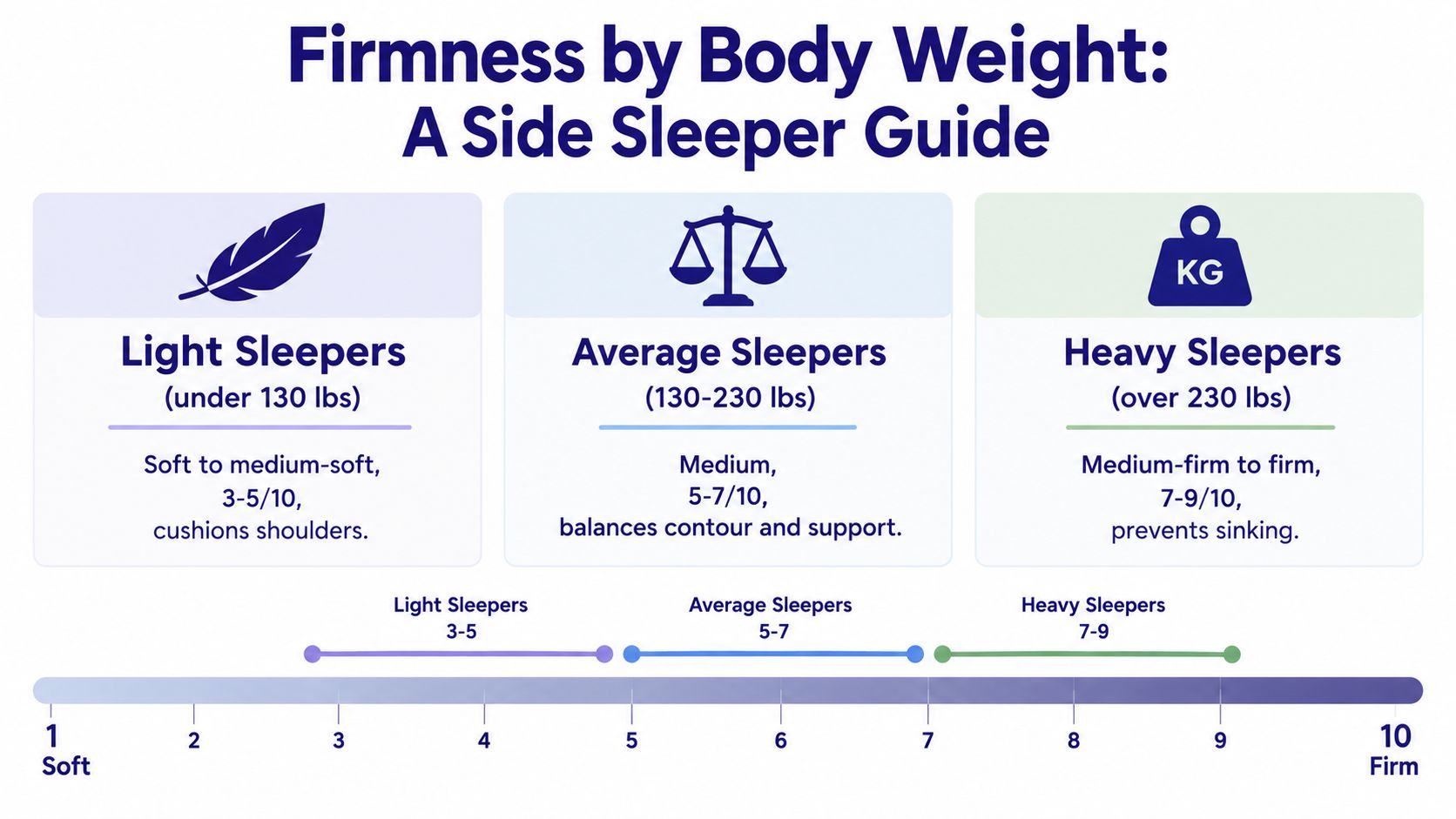
    A lot of heavier sleepers do well starting in the medium-firm to firm range, especially if they sleep on their back or stomach. Earlier testing also pointed to 7 to 9 out of 10 as a common sweet spot for longevity and support in this category.

    Side sleepers often need a little more surface pressure relief, but they still need enough structure underneath to avoid sagging through the middle. That's why the answer usually isn't "go as soft as possible."

    What if I sleep hot

    Look for breathable constructions first. Hybrids and latex hybrids often feel cooler because air can move through the coil system and the sleeper doesn't sink as far into dense foam.

    Cooling covers and specialty fabrics can help, but the bigger issue is usually how much of your body is cradled inside the bed. More sink often means more trapped heat.

    What should I look for in the warranty

    Read the body impression or sagging language carefully. That's usually where mattress warranties become more meaningful or less meaningful.

    You want to understand what depth of visible sag is covered, whether the mattress must be used on a certain kind of base, and what counts as improper support underneath. A long warranty is nice. Clear warranty terms are better.

    Does a thicker mattress automatically mean it's better

    Not automatically. But many heavier sleepers do better on mattresses with a more substantial build because there's more room for both comfort layers and a stronger support system.

    Thickness alone doesn't guarantee quality. A tall mattress full of soft foam can still fail quickly. What matters is how the layers work together.

    What's the safest way to narrow the search

    Use this short filter:

    • Start with hybrid and latex-hybrid options
    • Check edge support in person
    • Lie in your real sleep position long enough to feel alignment
    • Ask about the support core and foundation requirements
    • Rule out anything that already feels strained under your hips or midsection

    That process usually gets you to a much better shortlist than online hype ever will.


    If you'd like help comparing mattresses in person, Woodstock Furniture & Mattress Outlet offers a hands-on way to test different constructions, support levels, and adjustable-base options without guessing from a product photo. Our team can help you sort through what you're feeling on the mattress and connect that feel to the build underneath, so you can choose with more confidence and fewer surprises once the bed gets home.

  • Best Mattress for Combination Sleepers: A 2026 Guide

    Best Mattress for Combination Sleepers: A 2026 Guide

    If you flip from your side to your back, then wake up half on your stomach with the blanket twisted around your legs, you’re not doing sleep “wrong.” You’re probably a combination sleeper. Around Woodstock, I hear people describe it as feeling like a sleep rotisserie. They don’t stay in one position long, and they’re tired of waking up sore, hot, or fighting their mattress every time they move.

    That usually creates a very specific kind of frustration. A mattress may feel soft and pleasant for the first few minutes in a showroom, then feel slow and grabby at night. Or it may feel supportive on your back, but too firm on your shoulder when you roll to your side. The best mattress for combination sleepers isn’t about chasing the fanciest label. It’s about finding a mattress that can keep up with your movement without losing support.

    Are You a Combination Sleeper? Here’s What That Means

    A combination sleeper is someone who changes positions through the night instead of staying mostly on their back, side, or stomach. You might fall asleep on your side, roll onto your back at midnight, then end up on your stomach before morning. That pattern is common, and it changes what your mattress needs to do.

    A side sleeper asks the mattress for cushioning at the shoulder and hip. A back sleeper asks for steadier support through the middle. A stomach sleeper usually needs enough lift to keep the midsection from sinking too much. If you do all three, your mattress has to adjust with you.

    The real-life signs

    You may be a combination sleeper if any of these sound familiar:

    • You wake up in a different position than the one you started in.
    • You feel “stuck” in certain beds and have to work to roll over.
    • Your soreness moves around from shoulders one day to lower back the next.
    • Your partner notices your movement more than you do.
    • You like one mattress at first, then dislike it after a full night because it only works in one position.

    Some sleepers don’t need a softer bed or a firmer bed. They need a bed that responds faster.

    That’s why shopping can feel confusing. Many mattresses are built to shine for one main position. Combination sleepers need a broader range of performance. They need a mattress that doesn’t punish movement.

    Why this problem is solvable

    This isn’t guesswork. Once you know what your body is asking for during those position changes, the showroom starts making more sense. You stop focusing on whether a mattress feels “nice” for 30 seconds, and start asking better questions about support, response, and pressure relief.

    The Three Pillars of a Great Combination Sleeper Mattress

    A mattress for a combination sleeper has to do three jobs at once. It has to cushion pressure points, keep your spine supported, and let you change positions without a delay in the surface. If one of those jobs is missing, the whole bed can feel wrong by the end of the night.

    A hand-drawn illustration of three pillars supporting a flat top, labeled support, pressure relief, and responsiveness.

    The easiest way to understand these pillars is to picture what happens during a real turn. Your shoulder lifts, your hips rotate, and your weight shifts across the mattress in stages, not all at once. A bed that works for combination sleeping keeps up with that sequence. A bed that does not can create pressure, twist your midsection, or make you work to roll.

    Responsiveness

    Responsiveness is how quickly the mattress surface rebounds after you move. For combination sleepers, that matters because every position change is a small coordination test between your body and the bed.

    If you turn from your side to your back and the foam is still holding the shape of your shoulder, that is motion lag. You feel a split second of resistance. It is a small problem in the moment, but over a full night it can mean more effort, more partial wake-ups, and more frustration.

    Hybrid mattresses, latex models, and some faster-response foams usually do a better job here than slow, dense memory foam. The key idea is simple. Your mattress should reset quickly enough that your next movement feels easy, not delayed.

    Balanced support

    Support is the part that keeps your body from folding out of alignment as your position changes. A lot of shoppers hear “support” and assume it means a hard mattress. That is not the goal. Good support means the bed holds up the heavier parts of your body without jamming up the lighter parts.

    For combination sleepers, support has to stay consistent through movement. Your hips should not drop too far when you land on your back. Your waist and lower back should not feel stranded without support. And when you turn onto your side, your shoulder needs enough room to settle without pulling your spine sideways.

    Here is a simple way to read the warning signs:

    Need What it feels like when it’s missing
    Support under the midsection Lower back tightness or hammock-like sinking
    Enough give at the shoulder and hip Numb arm, sore shoulder, hip pressure
    Even support during movement Awkward twisting when changing positions

    In a showroom, this is one of the easiest things to miss because your body may feel fine lying still for a minute. The better test is to roll slowly through your usual positions and notice whether one area drops faster than the rest.

    Pressure relief

    Pressure relief is the cushioning that spreads out force at the shoulders, hips, and ribcage. It is what keeps a mattress from feeling sharp or jammed in side sleeping.

    Combination sleepers need enough pressure relief for the positions that create the most concentrated load, usually the side. But they also need that cushioning to stay controlled. Too little relief feels hard and pinched. Too much can let you sink so far that turning becomes harder and your alignment slips.

    A good way to judge it is to stay on your side for several minutes, then switch to your back and stomach if those are part of your normal pattern. If the comfort only works in one position, the mattress is solving one problem and creating another.

    Practical rule: If a mattress feels comfortable only when you stay perfectly still, it probably isn’t a strong match for combination sleeping.

    Why the three pillars have to work together

    These three qualities are connected. Fast response without pressure relief can feel pushy at the shoulder. Pressure relief without enough support can let the hips drift down. Strong support without easy surface recovery can make each turn feel clumsy.

    That is why combination sleepers often get the best results from mattresses with balance rather than extremes. In plain terms, you want a bed that cushions the parts that press in, holds up the parts that carry more weight, and gets out of your way when you move.

    Mattress Constructions Explained for Combination Sleepers

    A mattress construction matters because it changes how your body moves through the night. For a combination sleeper, that is not a small detail. It affects how easily you roll from your side to your back, how quickly the surface catches up with you, and whether your hips and shoulders stay supported during the turn.

    An infographic showing three mattress types: Innerspring, Memory Foam, and Latex, designed for combination sleepers.

    A simple way to judge each type is to ask two questions in the showroom. Does the bed recover quickly after you move? Does it keep your body level in more than one position? Those two checks reveal a lot about whether a mattress will feel easy or frustrating at 2 a.m.

    Innerspring

    Traditional innerspring mattresses usually feel buoyant and easier to move on. Your body rests more on the surface, so changing positions often takes less effort. If you dislike the slow, hugged-in feeling, this construction often feels refreshingly straightforward.

    That quick pushback can help combination sleepers because the mattress is not hanging onto the shape of your last position. The tradeoff is comfort at the shoulders and hips. Some innersprings feel fine on your back, then start to feel sharp when you stay on your side for a few minutes.

    Who often likes them

    • Sleepers who want bounce and a more traditional feel
    • People who switch positions often and want less resistance while turning
    • Those who care about edge stability for sitting or sleeping near the side

    Memory foam

    Memory foam is built to contour closely and absorb motion well. That can feel great for pressure relief, especially if your shoulder tends to jam up on firmer surfaces. It can also reduce how much of a partner's movement reaches you.

    For combination sleepers, the main question is speed. Some memory foams recover slowly, so the bed can feel a bit like wet sand after you move. Your body turns first, and the surface catches up a moment later. That lag is what some shoppers describe as feeling stuck, even if the mattress is otherwise comfortable.

    Foam is still worth trying. Newer foam designs vary a lot, and some feel much quicker than older all-foam beds.

    Latex

    Latex usually has a buoyant, springy feel with lighter contour than memory foam. It cushions the body, but it does not usually let you sink as far. Many combination sleepers like that balance because the mattress gives some pressure relief without creating much motion lag.

    Latex works a little like a shoe sole with good rebound. You compress it, and it pushes back quickly. That fast recovery can make turns feel more natural, especially for sleepers who rotate through three positions instead of just two.

    The feel is distinctive. Some shoppers love it right away. Others need a few minutes to decide whether that lively surface feels pleasantly supportive or just different from what they are used to.

    A mattress can relieve pressure and still stay easy to move on. Combination sleepers often do best in that middle ground.

    Hybrids

    Hybrid mattresses combine a coil support core with foam or latex comfort layers. That mix often works well for combination sleepers because it addresses the mechanics of switching positions from both directions. The coils help the mattress spring back after movement, while the comfort layers soften the sharper pressure points.

    Zoned hybrids deserve special attention if your weight is concentrated more through the hips and midsection. In plain language, zoning means one part of the mattress is built to hold you up a bit more than another part. For a combination sleeper, that can help during the moment of transition, when your hips are shifting but your shoulders have not fully landed yet.

    The caution with hybrids is that the label alone does not tell you enough. One hybrid can feel quick and balanced. Another can feel plush and slow because the comfort layers are thick and soft. In the showroom, lie on your side for a few minutes, roll to your back, then to your stomach if that is part of your pattern. Pay attention to whether the mattress feels ready for you when you move, or whether you have to wait for it to rebound.

    A simple comparison

    Construction Movement feel Pressure relief feel Best fit for
    Innerspring Quick, bouncy, easy to turn Usually lighter contour Sleepers who want lift and airflow
    Memory foam Can range from slow to moderate Usually deeper contour Sleepers who want close body shaping
    Latex Buoyant and fast Moderate contour Sleepers who want easier movement with cushion
    Hybrid Balanced response Balanced contour Sleepers who want both movement and pressure relief

    The best construction depends on what your body is fighting right now. If turning feels like work, start with latex, innerspring, or a quicker-feeling hybrid. If your shoulder or hip gets sore first, foam and hybrids may deserve a closer look, but test how fast the surface recovers before you decide.

    How to Choose the Right Firmness Level

    You roll from your side to your back at 2 a.m., and the mattress that felt cozy at bedtime suddenly feels like wet sand or a hardwood floor. That is usually a firmness problem, but not in the way people assume.

    Firmness is the feel of the surface. Support is how well the mattress keeps your body aligned. Combination sleepers need both, because your body is asking the bed to do two jobs at once. It has to cushion the parts that press in first, then hold you level as your weight shifts to a new position.

    A mattress firmness level scale from one to ten illustrating soft, balanced, and firm comfort options.

    What the firmness scale actually means

    Most brands use a rough scale from soft to firm. Lower numbers usually let your body sink more. Higher numbers usually feel flatter and push back faster.

    For combination sleepers, the safest starting point is usually medium to medium-firm. That range often gives enough cushion for side sleeping without letting the hips drop too far when you roll onto your back or stomach.

    The key idea is simple. You are not shopping for the softest bed you can tolerate or the firmest bed you can endure. You are looking for a surface that keeps up with your movement pattern.

    Why the middle often works best

    A very soft mattress can act like a deep couch cushion. It may feel pleasant at first, but when you turn, your heavier parts can sink before the rest of you catches up. That creates motion lag. Your spine can twist for a moment while the mattress slowly reshapes underneath you.

    A very firm mattress creates the opposite problem. It can keep your torso level, but your shoulder and hip may take too much of the load when you lie on your side. Then you start shifting just to escape pressure, not because you naturally change positions.

    Medium to medium-firm often lands in the useful middle because it helps with three things:

    • Pressure relief for side sleeping so your shoulder and hip are not bearing all the force
    • Support for back and stomach moments so your midsection does not sag
    • Quicker, easier repositioning because you are not stuck in a deep impression

    Body weight changes the feel

    The same mattress can feel different from one person to the next. A lighter sleeper may stay closer to the top of the bed and experience a medium mattress as firmer. A heavier sleeper may press farther into the comfort layers and experience that same mattress as softer.

    That is why firmness labels are starting points, not final answers.

    A practical way to adjust for your body

    • If you are lighter and mostly side/back, start around medium or a touch softer if pressure builds at the shoulder.
    • If you are average weight and switch often, medium to medium-firm is usually a smart first stop.
    • If you are heavier or spend part of the night on your stomach, look for a firmer feel or stronger support under the hips and midsection.

    A short video can help if firmness scales still feel abstract:

    Use your positions to judge firmness, not your hand

    In a showroom, a mattress can feel soft when you press on it with your palm and still feel too firm once your shoulder settles in. The reverse is true too. A plush pillow top can feel inviting for 30 seconds, then make turning feel like climbing out of a hammock.

    Your body gives better clues than the tag does. When you test firmness, lie on your side first and notice whether your shoulder sinks enough to relax. Then roll to your back and check whether your hips feel supported instead of swallowed. If stomach sleeping is part of your pattern, spend a minute there too. Your hips should stay level with the rest of your body, not dip forward.

    A good firmness level for a combination sleeper feels balanced during the switch, not just pleasant in the first position. That balance is what helps prevent pressure points, low back strain, and the little bursts of effort that can disturb sleep all night long.

    Your In-Store Mattress Testing Checklist

    You’re in the showroom. The mattress feels good for the first 20 seconds. Then you roll from your side to your back and suddenly notice two things. Your shoulder had nowhere to go, and the bed takes a beat too long to catch up with your movement.

    That second part matters more for combination sleepers than many shoppers realize. You are not only testing comfort in one position. You are testing how the mattress responds while your body is changing positions, because that transition is where pressure, support, and motion lag all show up at once.

    A man pointing at a floating mattress test checklist with four items checked off.

    Start with your real sleep pattern

    Bring your usual pillow if you can. If you sleep with one knee bent, test that way. If you tend to drift from side to back before you fall asleep, repeat that exact sequence on each mattress.

    A showroom test works best when it looks like your actual night, not a stiff pose on a display bed. Shoppers often lie flat on their backs for a minute, then make a decision from that. For a combination sleeper, that misses the whole point. Your body needs to feel what happens during the turn, not just at the starting line.

    Use this four-step test

    1. Settle into your first position for at least two minutes
      Start in the position you use most. Give your shoulder, rib cage, hips, and lower back time to sink to their natural depth. Quick tests can hide pressure points that only show up after your muscles stop bracing.

    2. Roll the way you naturally roll
      Move from side to back, or back to stomach if that is part of your pattern. Notice whether the surface responds quickly or feels delayed. A mattress with too much motion lag can feel like wet sand under your hips and shoulders. You move, but the bed is still catching up.

    3. Check whether support follows you
      On your back, pay attention to the space around your lower back and waist. You want contact, not a big gap, but you also do not want your hips sinking lower than the rest of your trunk. On your side, notice whether your midsection feels suspended or gently held up. Support should travel with your body as you change posture.

    4. Use the full mattress, including the edge
      Sit on the side, then lie close to the perimeter. Combination sleepers often roam more across the surface at night. If the edge folds too easily, the bed can feel smaller than its dimensions suggest, especially for couples.

    Showroom shortcut: If turning takes effort from your abs, shoulders, or knees, the mattress may be absorbing too much of your movement instead of helping you through it.

    If you have back pain, hip pain, or jaw tension

    Support through the middle third of the mattress becomes more important once pain is already in the picture. During a position change, your hips and rib cage act a bit like the center of a bridge. If the center drops too far or too suddenly, surrounding joints often feel the strain.

    That is why zoned support can be worth testing in person. The goal is not to feel a dramatic line across the bed. The goal is to notice that your heavier areas stay level enough during movement that rolling feels smooth instead of effortful. If nighttime tension overlaps with clenching, facial soreness, or related sleep issues, this guide on sleep and TMJ therapy may also be useful.

    Questions worth asking in the store

    These questions tend to get better answers than “What’s your most popular model?”

    • Which beds here are easiest to turn on without feeling stuck?
    • Can you show me a model with stronger support under the hips and midsection?
    • Which mattress has a faster response time when someone changes positions?
    • Does this model feel more buoyant on top, or more contouring around the body?
    • How would this suit someone who switches between side and back sleeping?
    • If I carry more weight through my hips, what would you change about the feel?

    A quick comparison note

    If you’re shopping in person and want to compare several constructions in one stop, a store like Woodstock Furniture & Mattress Outlet can let you try hybrids, memory foam, and adjustable-base pairings side by side. That kind of apples-to-apples testing usually teaches you more than another online top-10 list, because you can feel how each material handles the actual mechanics of turning, settling, and starting over in a new position.

    Building a Complete Sleep System for Better Sleep

    The mattress does most of the heavy lifting, but it doesn’t work alone. Combination sleepers often focus so hard on the bed that they ignore the pieces above and below it. Then they bring home a good mattress and still wake up with a cranky neck or tight jaw.

    The pillow matters more than people expect

    If you rotate between side and back sleeping, your pillow has to manage two different neck angles. Too tall, and your head gets pushed forward on your back. Too flat, and your head drops on your side.

    That’s why many combination sleepers do well with a middle-ground pillow. You want enough loft to support side sleeping, but enough compressibility to avoid overextending the neck when you roll onto your back.

    Your pillow should adapt when you move. It shouldn’t force you to pick one position and stay there.

    Adjustable bases can help certain sleepers

    An adjustable base isn’t necessary for everyone, but it can be useful if your body feels better with slight elevation at the head or legs. Some combination sleepers find that a subtle change in position eases pressure, reduces strain through the lower back, or makes settling in more comfortable.

    If jaw tension, facial pain, or disrupted sleep are part of the picture, it can also help to look beyond the mattress itself. For readers dealing with those overlapping issues, this resource on sleep and TMJ therapy offers a helpful explanation of how sleep problems and jaw discomfort can interact.

    Protectors and foundations are performance pieces too

    A mattress protector isn’t only about spills. It also helps preserve the feel of the mattress by guarding the comfort layers from moisture and everyday wear. For people sensitive to heat or surface feel, choosing a protector that doesn’t radically change the hand feel of the mattress matters.

    Your foundation matters too. If the support underneath is weak or uneven, a mattress can feel softer, less stable, or less supportive than it should. That can confuse the buying process because you may blame the mattress for a problem coming from underneath it.

    Think in layers, not products

    A complete sleep system works when the pieces support the same goal:

    • Mattress for support, pressure relief, and easier movement
    • Pillow for neck alignment across multiple positions
    • Base or foundation for stable support
    • Protector and bedding that don’t fight the feel of the mattress

    When those layers cooperate, the whole bed feels more predictable. And predictability matters when your body changes position all night.

    What to Expect When You Buy a Mattress from Us

    Buying a mattress should feel clear, not mysterious. Most shoppers want the same basic things. They want to compare respected brands, understand what they’re lying on, and know what happens after they choose.

    At our stores, that usually starts with a conversation about how you sleep. If you’re a combination sleeper, the useful details aren’t just your size or your budget. It’s whether you switch from side to back, whether your shoulder gets sore, whether you sleep warm, and whether your partner is sensitive to movement.

    What you can compare in person

    Woodstock Furniture & Mattress Outlet carries a range of mattress brands and sleep products, including Tempur-Pedic, Sealy, Helix, Nectar, DreamCloud, Stearns & Foster, Jamison, and adjustable bases and accessories. That gives shoppers a chance to compare different feels and constructions instead of assuming all foam or all hybrids feel alike.

    A curated selection can be helpful here. Too many mattresses without guidance can be overwhelming. A smaller, better-organized comparison often makes patterns easier to notice.

    Comfort exchange and delivery support

    A comfort exchange policy exists for a simple reason. A mattress can feel promising in the showroom, but your body still needs time to adjust at home. The exchange process is there to help if the comfort choice misses the mark.

    Delivery and setup matter more than people think, too. A mattress performs best when it’s installed on the correct support system and handled carefully from the start. Professional setup can remove some of the hassle and reduce the chances of a preventable support problem on day one.

    The practical expectation

    You shouldn’t expect a helpful mattress shopping experience to feel like pressure. You should expect questions that narrow the field, clear explanations of tradeoffs, and straightforward answers about policies, setup, and next steps.

    That’s the standard most shoppers are really looking for.

    Your Path to More Restful Nights

    The best mattress for combination sleepers usually does three jobs well. It responds quickly when you move, supports your spine in more than one position, and relieves pressure at the spots that bear the most weight. If one of those is missing, the mattress may feel good for a minute and frustrating for a full night.

    For many shoppers, hybrids and responsive foam designs are worth close attention because they often balance movement and comfort well. Firmness matters too. A medium to luxury-firm feel is often the most practical starting point for people who rotate between side, back, and sometimes stomach sleeping. From there, body weight and pain points help fine-tune the choice.

    The biggest mistake is shopping by label alone. “Cooling,” “firm,” and “plush” don’t tell you enough by themselves. Your body needs a mattress that works while you’re turning, settling, and changing positions in real time.

    If you’re narrowing it down in person, keep it simple:

    • Move on the mattress, don’t just lie still
    • Check shoulder and hip pressure
    • Notice whether your lower back feels supported
    • Test the edge
    • Ask how the construction affects movement

    That process gives you a much better shot at finding the right fit than chasing hype.


    If you’d like to compare options in person, Woodstock Furniture & Mattress Outlet offers a way to test different mattress constructions, firmness levels, and sleep accessories with guidance from a team that can help translate what you’re feeling into a more confident decision.

  • Best Mattress for Pressure Relief: A Shopper’s Guide

    Best Mattress for Pressure Relief: A Shopper’s Guide

    You go to bed tired and wake up tired, but that is not the frustrating part. The frustrating part is the soreness. Your shoulder feels pinched. Your hip feels bruised. Your lower back feels tight before your feet even hit the floor.

    A lot of people describe this as “my mattress just isn’t comfortable anymore.” That may be true, but the more useful phrase is poor pressure relief. Once you understand that term, shopping gets much easier.

    This guide is built to help you think like a smart mattress shopper, not just scroll through another list of “top picks.” The best mattress for pressure relief depends on how you sleep, how much you weigh, what kind of feel you like, and whether you need simple everyday comfort or something closer to home-care support.

    That Familiar Ache Waking Up With Sore Hips and Shoulders

    A common story goes like this. You fall asleep fine, roll over a few times, and then wake up feeling like one side of your body took the hit all night.

    For side sleepers, that usually means the hips and shoulders. For back sleepers, it may feel more like tension across the lower back or tailbone. For stomach sleepers, the strain often shows up through the midsection and lower back.

    Why that soreness happens

    Your body is not flat. A mattress is.

    When the mattress surface does not bend and cushion where your body sticks out most, those areas take extra force. That force builds where your body presses hardest into the bed. Those are your pressure points.

    Think about lying on your side on a carpeted floor. The carpet is technically soft, but your shoulder still complains because the floor underneath does not give enough. Some mattresses act the same way. They have surface softness, but not real contour.

    The important part most shoppers miss

    Many people assume they need a firmer mattress because they are sore. Sometimes the opposite is true. If your shoulder and hip feel jammed, the bed may be too firm on top, even if it still feels supportive overall.

    That is one reason stories about solving hip pain with the right mattress resonate with so many shoppers. The pain often is not random. It is usually a clue that the surface is pushing back in the wrong places.

    Tip: If you wake up and the ache fades after you have been moving around for a few minutes, your mattress may be creating overnight pressure rather than daytime posture problems.

    What Exactly Is Pressure Relief in a Mattress

    Pressure relief means a mattress spreads your weight across a wider area so one body part does not take too much force.

    That sounds technical, but the idea is simple. A better pressure-relieving mattress lets heavier parts of your body sink in enough to feel cushioned, while still holding the rest of you in a healthy position.

    Pressure relief is not the same as support

    These two terms get mixed together all the time.

    • Pressure relief is about comfort at the contact points. Shoulders, hips, ribs, tailbone.
    • Support is about alignment. It helps keep your spine from dipping, twisting, or bowing.

    A mattress can be supportive but still feel harsh. It can also feel soft at first and still fail to support your body well enough through the night.

    A simple analogy that helps

    Press your hand into wet sand. It gives way and molds around your palm. The force spreads out.

    Now press your hand onto concrete. Almost all the force goes to the highest points of contact.

    That is the difference between good and poor pressure relief.

    A mattress with strong pressure relief behaves more like the sand. It meets the curves of your body. A mattress with weak pressure relief behaves more like the concrete. It resists your shape and creates hot spots.

    If you want another plain-language perspective, this guide to finding the best pressure relief mattress does a nice job connecting restorative sleep with body contouring and comfort.

    A short visual can help make that feel easier to picture:

    Where pressure points usually show up

    The main pressure points depend on how you sleep:

    • Side sleepers: shoulders and hips
    • Back sleepers: lower back, tailbone, and sometimes shoulder blades
    • Stomach sleepers: hips, chest, and knees

    The body parts that carry more weight or stick out farther need the mattress to give a little more in those spots.

    How pressure mapping fits in

    Pressure mapping is a testing method that uses sensors to show where force builds up on the mattress surface.

    You do not need lab gear to use the idea. In plain terms, pressure mapping answers this question: Where is your body getting jammed into the bed?

    That matters because a mattress should not just feel nice when you first lie down. It should spread load well enough that your body is not fighting the surface all night.

    Key takeaway: The best mattress for pressure relief does two jobs at once. It cushions your pressure points and keeps your spine from drifting out of line.

    How Mattress Materials Influence Pressure Relief

    Materials shape the feel more than marketing names do. “Cooling comfort,” “luxury support,” and “premium sleep system” can mean almost anything. Foam, latex, coils, and air systems tell you much more.

    Memory foam

    Memory foam is the classic pressure-relief material.

    It softens and contours around the body, which is why many people feel it hugging the shoulders and hips. If you like a close, cradled feel, memory foam often makes immediate sense.

    The tradeoff is feel. Some sleepers love that slow-molding sensation. Others feel like it holds them too tightly.

    Latex

    Latex relieves pressure in a different way.

    Instead of a deep hug, it usually gives a more lifted or floating feel. It contours, but with more spring back. People who dislike the “stuck” sensation of some foams often prefer latex.

    That does not make it universally better. It just means the contour is gentler and more responsive.

    Traditional innersprings

    A basic innerspring usually gives the least pressure relief of the main mattress categories.

    Why? Coils support weight well, but without thick comfort layers above them, they do not contour closely enough at the hips and shoulders for many sleepers. That is why older mattresses often leave side sleepers especially sore.

    Hybrids

    Hybrids combine foam or latex comfort layers with a coil support core.

    This is why so many shoppers land here. A hybrid can cushion pressure points without losing the support and easier movement that coils provide. It often feels more balanced than an all-foam mattress.

    A practical example is the DreamCloud-style build: pillow-top comfort, gel memory foam for contour, and coils underneath for support and airflow.

    Adjustable air and specialty relief systems

    Air-adjustable mattresses are a different category. They let you change firmness by adjusting air chambers inside the bed.

    That matters because pressure relief is personal. A mattress that feels perfect on your side may feel too soft on your back. More adjustability can help you fine-tune that.

    A 2021 Cochrane systematic review found that reactive air and gel surfaces could reduce the risk of pressure ulcers by 37% to 53% compared to standard foam mattresses (PMC). That is not the same as saying every consumer mattress works like a medical surface, but it does show how much material choice can affect pressure distribution.

    Mattress Material Pressure Relief Comparison

    Material Pressure Relief Quality Feel Best For
    Memory foam High Deep contour, close hug Side sleepers, people who want strong cushioning
    Latex Moderate to high Buoyant, responsive, more “on” than “in” Sleepers who want contour without much sink
    Innerspring Lower in many basic designs Bouncy, flatter surface feel People who prioritize a traditional feel over contour
    Hybrid High Balanced, cushioned top with supportive base Many body types and mixed sleep positions
    Adjustable air High and customizable Changes based on setting People who want fine-tuning or changing firmness needs

    One easy shopping shortcut

    When you lie on a mattress, ask yourself one simple question.

    Do I feel cushioned at the sharpest parts of my body, or do I feel the bed pushing back at them?

    That answer often tells you more than the brand story.

    Matching Your Mattress to Your Sleep Position and Body Weight

    The best mattress for pressure relief is not one mattress. It is the mattress that matches how your body meets the bed.

    Infographic

    Side sleepers need more cushioning at two key spots

    If you sleep on your side, most of your weight funnels into the shoulder and hip on the mattress side.

    That usually means you need more give in the comfort layers. A mattress that feels “nice and firm” for a back sleeper can feel punishing for a side sleeper after several hours.

    Pressure mapping tests have rated certain hybrid models like the Helix Midnight Luxe at 8.7/10 for pressure relief for side sleepers, with thick foam comfort layers reducing peak pressures at the hips and shoulders by up to 20% to 30% compared to traditional innerspring designs (Sleep Foundation).

    Back sleepers need balance, not just softness

    Back sleepers usually do well when the mattress allows a bit of contour under the lower back while still keeping the midsection from dropping too far.

    Too firm, and the lower back can feel unsupported because the mattress does not meet the curve. Too soft, and the hips may sink lower than the chest.

    This is why many back sleepers like a medium-firm feel with some cushioning on top.

    Stomach sleepers need restraint through the middle

    For stomach sleepers, the issue is less about shoulder pressure and more about hip sink.

    If the middle of the body drops too much, the lower back bends into an uncomfortable arch. That is why stomach sleepers often prefer a firmer, flatter feel on top.

    That does not mean rock hard. It means enough resistance to keep the hips from dipping too far.

    Body weight changes how firmness feels

    A mattress does not feel the same to every person.

    A lighter sleeper may lie on a medium mattress and barely sink into the comfort layers. A heavier sleeper may experience that same mattress as much softer because they engage more of the bed.

    If you have a lighter body weight

    Softer comfort layers often work better because you need enough sink to activate the pressure-relieving part of the mattress.

    If the bed is too firm, you may float on top of it and feel sharp pressure at the shoulders or hips.

    If you are in the middle range

    Many medium to medium-firm hybrids and foams feel balanced here. This is the range where the widest mix of mattress types can work well.

    If you have a heavier body weight

    You usually need stronger support underneath the comfort layers so you do not bottom out. That can mean firmer foam, sturdier coils, or a mattress built specifically for higher loads.

    The goal is still pressure relief. The path to get there is just different.

    Shopping shortcut: Do not ask, “Is this mattress soft or firm?” Ask, “Does this feel right for your sleep position and your body weight?”

    A Practical Checklist for Your Mattress Hunt

    Walking into a mattress store without a clear filter is like grocery shopping when you are hungry. Everything starts to sound good.

    A short checklist helps you sort useful comfort from flashy language.

    Start with your body, not the brand

    Write down these answers before you shop.

    • Primary sleep position: Are you mostly on your side, back, stomach, or a mix?
    • Main pain point: Shoulder soreness, hip pressure, lower back tension, or general stiffness?
    • Body weight range: Lighter, average, or heavier build?
    • Temperature preference: Do you sleep hot, cool, or somewhere in the middle?
    • Movement needs: Do you want a hugging feel, or do you prefer easy repositioning?

    Think about who else uses the bed

    If you share a mattress, pressure relief becomes a two-person problem.

    One sleeper may want more contour. The other may want more pushback. In that case, hybrids and adjustable designs often make sense because they tend to balance comfort and support well.

    Use product design as a clue

    Hybrid mattresses like the DreamCloud are often ranked highly because gel memory foam and zoned coils help distribute weight more evenly. Pressure mapping shows they can reduce peak pressures by 15% to 25% compared to standard innersprings (Mattress Clarity).

    That does not mean every hybrid is automatically right for you. It means you should pay attention to what is inside the mattress, not just the label on the side.

    Questions worth asking in store or online

    What are the top layers made of

    This tells you whether the feel will be more hugging, buoyant, or firm on the surface.

    How thick are the comfort layers

    More substantial comfort layers often matter for side sleepers and anyone sensitive at the shoulders or hips.

    Does the mattress come in more than one firmness

    That matters if the design sounds right but the showroom sample feels a little off.

    Can I test it in my real sleep position

    Sitting on the edge tells you almost nothing about pressure relief.

    What happens if it does not work out

    You want clear information about trial periods, exchanges, and warranty support. No guessing.

    One final filter

    If a mattress only feels comfortable in one exact pose and starts feeling strained when you settle naturally, keep looking.

    Pressure relief should feel easy, not fragile.

    How to Properly Test a Mattress for Pressure Relief

    A quick bounce test is not enough. Neither is pressing your hand into the top panel.

    Pressure relief only shows up when your body is in the position where it usually hurts.

    In-store testing that helps

    Wear comfortable clothes if you can. Take off your jacket. Put your phone down. Then lie in your normal sleep position.

    Stay there long enough for your body to settle. A mattress often feels different at minute one than it does after several minutes when your muscles relax.

    Pay attention to these signals

    • Shoulders: Do they feel cushioned, or blocked from sinking enough?
    • Hips: Do they feel gently cradled, or like they are carrying too much weight?
    • Lower back: On your back, does the mattress meet your waist comfortably?
    • Ease of movement: Can you roll without fighting the surface?

    A simple hand test

    If you are on your back, slide a hand under your lower back.

    If there is a huge empty space, the mattress may be too firm on top for your shape. If your hips are plunging and your spine feels curved, it may be too soft.

    This is not a perfect test, but it helps.

    At-home trial habits that matter

    Your first night is not the whole story.

    New mattresses can feel unfamiliar even when they are right. Your body may also need a little time to stop bracing against your old bed’s bad habits.

    Keep notes for at least the early part of your trial:

    • Morning soreness: better, worse, or unchanged
    • Sleep interruptions: tossing, turning, waking to reposition
    • Partner disturbance: if relevant
    • Where pressure shows up: shoulder, hip, back, or neck

    Tip: Judge patterns, not single nights. One rough night can come from stress, temperature, or a late dinner. Repeated soreness in the same area is more useful feedback.

    What a good test feels like

    The right mattress does not need you to “get used to pain.” It may feel different from your old bed, but your body should not feel trapped, jammed, or sharply compressed at its heaviest contact points.

    Beyond the Mattress Accessories That Improve Pressure Relief

    Sometimes the mattress is the main fix. Sometimes the bigger improvement comes from the whole sleep setup.

    Mattress toppers can soften a too-firm surface

    If your mattress still has good support but feels harsh at the shoulders or hips, a topper can add another cushioning layer.

    This is usually most helpful when the existing mattress is structurally sound but too firm on top. It is much less helpful when the mattress is sagging or uneven underneath.

    Pillows affect pressure more than people expect

    A pillow changes how your neck, shoulders, and upper spine line up.

    For side sleepers, a pillow that is too low can drop the head and add shoulder strain. For back sleepers, a pillow that is too tall can push the head too far forward. Good pressure relief is not just below you. It also depends on what is holding your head up.

    Adjustable bases change how weight is distributed

    Raising the head and feet slightly can reduce the load on certain areas, especially the lower back and hips.

    This matters for everyday comfort, but it can matter even more for people with limited mobility or those who spend extended time in bed.

    Adjustable air mattresses like the Saatva Solaire offer up to 50 unique firmness settings per side, allowing users to reduce interface pressures with a level of precision that standard foam cannot match (Sleep Advisor).

    One practical example

    A shopper might pair a conforming mattress with an adjustable base to fine-tune comfort over time. Stores such as Woodstock Furniture & Mattress Outlet carry mattresses, adjustable bases, and sleep accessories in one place, which can be useful if you want to test how the full setup feels together instead of judging the mattress alone.

    Your North Georgia Partner in Finding Lasting Comfort

    Pressure relief is one of those things that sounds abstract until you lie on two different mattresses back to back. Then it becomes obvious.

    One bed pushes against your shoulder. Another lets it settle in naturally. One makes your hip feel loaded. Another spreads that weight out so your body can relax.

    That is why visiting a showroom can still be valuable, especially if you are deciding between very different feels like Tempur-Pedic, Sealy, Helix, Nectar, and DreamCloud. Reading about contour is helpful. Feeling it is better.

    What an in-person test gives you

    • Real comparison: You can feel the difference between foam, hybrid, and more responsive designs within minutes.
    • Body-based feedback: Your own shoulders, hips, and back tell you more than a spec sheet can.
    • Better questions: Once you feel a few mattress types, it becomes easier to describe what you want.

    For North Georgia shoppers, the goal is not to get pitched. It is to leave with a clearer sense of what your body needs for lasting comfort.

    Frequently Asked Questions About Pressure Relief

    What is the difference between pressure relief and support

    Pressure relief is the mattress’s ability to cushion heavier contact points like hips and shoulders.

    Support is what keeps your spine in a healthier position. You usually need both. A mattress that only feels soft can still let your body sag. A mattress that only feels supportive can still feel harsh.

    Can a firm mattress still have good pressure relief

    Yes, sometimes.

    A mattress can feel firm overall and still have a comfort layer that cushions pressure points well. This is common in firmer hybrids with a padded top. The mistake is assuming that “firm” always means “hard on the body.”

    What if I am shopping for a bed-bound loved one

    That requires more caution than a typical comfort purchase.

    While most mattress guides focus on general aches, a critical part of pressure relief is bedsore prevention for people with limited mobility. Consumer content often overlooks medical-grade foam options or how pairing a conforming mattress from brands like Sealy or Tempur-Pedic with an adjustable base can reduce bedsore risk by 50% to 70%, which matters for the 2.5 million Americans affected annually (Sleepopolis).

    If this is your situation, it is wise to focus on prolonged pressure management, ease of repositioning, and whether a more medically oriented surface is appropriate.

    How long does it take to know if a mattress is helping

    Usually not in one night.

    Your body may need a little time to adjust, especially if your old mattress caused ongoing strain. Look for trends over a stretch of nights. If your hip or shoulder pain keeps showing up in the same way after an initial adjustment period, that is useful information.

    Is pressure relief only important for side sleepers

    No.

    Side sleepers usually notice it first because they carry more force through narrower contact points. But back sleepers and stomach sleepers also need pressure relief, just in different places and in different amounts.


    If you want help narrowing down the best mattress for pressure relief for your sleep position, body type, and comfort preferences, visit Woodstock Furniture & Mattress Outlet and spend time testing different feels in person. A knowledgeable team can help you compare foam, hybrid, and adjustable options without turning the process into guesswork.

  • How to Get the Best Deal on a Mattress Any Day of the Year

    How to Get the Best Deal on a Mattress Any Day of the Year

    Everyone wants a good deal on a new mattress, but what does that really mean? It's not just about chasing the largest discount sticker you can find. It's about getting great value for your money and, more importantly, for your sleep.

    True value is found in a mattress built with quality materials that will support you comfortably for years to come. It’s an investment in your well-being, and that’s something you can find any day of the week.

    Finding True Value in Your Next Mattress

    Forget the confusing game of chasing short-lived promotions and sales events. The real secret to getting a good deal on a mattress is to stop focusing on the sticker price and start looking at the bigger picture. A mattress that's priced fairly every single day is often a better choice than one with a massive, temporary markdown.

    So, how do you spot a high-quality mattress that actually fits your sleep needs? It comes down to recognizing what truly matters:

    • Durable Construction: A well-built mattress is your best defense against premature sagging. Consistent support for years means you won't feel those dreaded dips that lead to discomfort and force you to buy a replacement too soon.

    • Quality Materials: Whether it's high-density foams that contour without collapsing, a supportive innerspring system, or naturally resilient latex, the materials of the mattress directly impact your comfort, how well you sleep, and ultimately, how long it will last.

    • Long-Term Comfort: A good "deal" is a mattress that delivers restorative, satisfying sleep night after night. You can't put a percentage-off sticker on that kind of value.

    A truly great deal is finding a mattress that feels like it was made just for you, provides lasting comfort, and is backed by a retailer you can trust. The initial price is only one part of the equation.

    Of course, getting the most value from your investment also means taking care of it. Keeping your sleep environment clean and hygienic is just as important for your long-term well-being. If you're looking for expert advice on that front, you might check out this guide on how to steam clean your mattress for healthier sleep.

    At the end of the day, a smart shopper is an educated one. When you learn how to evaluate a mattress on its own merits—its construction, materials, and feel—you can find a mattress with great value and make a purchase you'll be happy with for years to come.

    Decoding Mattress Materials and Price Points

    Ever walked into a mattress store and seen a large “70% OFF!” sign? It’s tempting, but the real question is, "70% off of what?" To get a genuinely good deal on a mattress, you have to look past the signs and understand what you’re actually paying for.

    The materials inside a mattress are the single biggest factor driving its feel, its lifespan, and, of course, its price. A huge discount on a mattress made with flimsy, low-quality materials isn't a deal—it’s just a mattress that you'll have to replace sooner rather than later. Knowing what's inside empowers you to judge the real value, not just the marketing.

    Starting with the Basics: Innerspring and Foam

    Let’s start with the two most common mattress types that really set the baseline for pricing.

    • Innerspring Mattresses: This is the traditional mattress most of us grew up with. They use a core of steel coils for support, which gives them that familiar bouncy feel and helps them sleep cooler than all-foam models. They’re usually very approachable in price, making them a solid starting point for many shoppers.
    • Memory Foam Mattresses: Known for that signature “hugging” sensation, memory foam excels at deep contouring and pressure relief. But not all foams are created equal. The price here is all about the density and quality of the foam layers; more advanced, durable foams will naturally cost more.

    When you're thinking about materials, it's also worth noting that for some products, quality and safety are paramount. This is especially true when choosing items for the most sensitive sleepers, like organic crib mattresses.

    The Next Step Up: Hybrid and Latex Models

    If you’re looking for something with additional features, hybrid and latex mattresses are the next tier up in both performance and price.

    • Hybrid Mattresses: Just like the name implies, hybrids aim for the "best of both worlds." They combine a pocketed coil innerspring system for support and bounce with generous layers of memory foam or latex on top for comfort. That complex construction means they usually carry a higher price tag.
    • Latex Mattresses: Often made from natural rubber, latex has a uniquely buoyant and responsive feel—you feel like you’re sleeping on it, not in it. It’s famous for its durability and for sleeping incredibly cool, but the complex manufacturing process makes it one of the more premium options on the market.

    Before we get to the numbers, here's a handy table to help you see how these different types stack up on average.

    Mattress Type and Average Price Comparison (Queen Size)

    This table shows the typical price ranges for different mattress types to help you align your budget with your preferences.

    Mattress Type Average Price Range (Queen) Best For
    Innerspring $1,000 – $1,050 Budget-conscious shoppers, hot sleepers, those who prefer a bouncy feel.
    Memory Foam $1,100 – $1,165 Side sleepers, couples (motion isolation), those with joint pain.
    Hybrid $1,300 – $1,600 Sleepers who want balanced support and contouring, all sleep positions.
    Latex $2,100+ Eco-conscious shoppers, those wanting maximum durability and a responsive feel.

    These figures give you a solid ballpark for what to expect, making it easier to spot a true bargain versus an inflated price with a fake discount.

    The chart below really drives home the point that a slightly higher initial cost often translates to much better long-term value.

    Bar chart comparing initial mattress cost and lifetime value, showing high value for materials, durability, and comfort.

    Investing a little more in better materials means your mattress will stay comfortable and supportive for years to come, saving you money in the long run.

    Key Takeaway: The final price relative to the quality of the materials is what really matters. A mattress is an investment in your sleep, and understanding this price hierarchy is the first step to making a wise one.

    For our shoppers here in North Georgia, this data is a powerful tool. Instead of getting swayed by a large percentage-off sticker, you can walk in with the confidence to evaluate a mattress based on its construction. That's how you find a deal that will have you sleeping soundly for years.

    In-Store vs. Online: Where to Find a Mattress for You

    Two illustrations depicting mattress shopping: trying a mattress in-store versus unboxing an online-ordered rolled mattress.

    When you start hunting for a new mattress, you're immediately faced with a big choice: do you head to a traditional brick-and-mortar store, or do you dive into the sea of online "bed-in-a-box" brands? Figuring out the right path for you goes way beyond just the price tag. It’s about the whole experience, from your first click or step into a showroom to how you feel sleeping on it years later.

    The pull of online shopping is strong, no doubt. It’s convenient, the process seems simple, and the prices can look incredibly low at first glance. There's data to back this up, too. A 2023 J.D. Power study found that online mattress buyers reported higher satisfaction and spent about $253 less than those who shopped in-store. It’s clear that a lot of people are happy clicking "buy now," and you can see more on these trends in this in-depth mattress statistics report.

    But that data doesn't tell the full story. That online convenience comes with a pretty huge catch: you can’t actually try the mattress before you buy it.

    Nothing Beats the "Lay-Down" Test

    Buying a mattress online is a leap of faith. You're making a big decision based on marketing, customer reviews, and a list of specs. Yes, most brands offer a sleep trial, but that comes with its own set of problems—namely, the massive headache of trying to wrestle a fully expanded mattress back into a box if you don't like it.

    This is exactly where coming into a store shines. You simply can't replace the experience of spending 10 to 15 minutes lying on a mattress in your natural sleeping position. It gives you instant feedback that no website can ever match.

    • Feel the actual support: Is that "medium-firm" really what you need for your back, or does it sink more than you expected?
    • Check for pressure points: Can you feel it digging into your shoulders or hips when you lie on your side?
    • Test for motion transfer: If you sleep with a partner, have them move around. Can you feel every little toss and turn?

    A quick visit to a showroom takes all the guesswork out of the equation. It's the only way to know for sure how a mattress will feel to your body before it’s sitting in your bedroom.

    Getting Expert Help vs. Going It Alone

    The other big difference is the guidance you get—or don't get. When you shop online, you’re basically on your own, trying to sort through dozens of websites and trying to decode what all the marketing jargon really means. It can be completely overwhelming.

    When you walk into a local store, you’ve got an expert who can act as your personal guide. A good sleep expert can listen to your specific needs—whether it’s nagging back pain, a partner who snores, or a tendency to sleep hot—and point you to the models that could help. Their experience can save you from hours of frustrating online research.

    For our customers here in North Georgia, being able to come in and have that conversation is often the most valuable part of the process. It's how you find a solution that gives you genuine, long-lasting value, not just a low initial price.

    Understanding Mattress Industry Pricing

    Here at Woodstock Furniture & Mattress Outlet, our philosophy is to offer you fair value every single day. That said, it’s no secret that the mattress industry as a whole runs on a predictable promotional calendar. If you’re not in a huge rush to buy, understanding this rhythm can help you plan your purchase and feel more confident when you finally make a decision.

    But let's be clear—the goal isn't to get swept up in sale-season hype. It’s about using that inside knowledge to your advantage. A well-researched mattress that’s right for you, bought at a fair price, is always a better "deal" than an impulse buy.

    The Logic Behind Holiday Promotions

    You’ve seen the ads for weeks leading up to them: Memorial Day, the 4th of July, Labor Day, and of course, Black Friday. These major mattress promotions aren't just random. They’re strategically tied to times when people have a day off to shop and are already in a “home improvement” mindset.

    During these periods, manufacturers often give retailers special incentives, which is what allows them to offer promotions on certain models. This is why you’ll see a flood of similar-looking offers across different stores around the same time. These holidays are also a key time for clearing out last year's models to make way for new inventory, which usually starts rolling into showrooms in late spring.

    Remember, just because a mattress is part of a promotion doesn't automatically mean it's the best time for you to buy. The most important thing is finding a mattress that fits your unique sleep needs and your budget.

    Using Seasonal Trends to Your Advantage

    Beyond the big holiday weekends, there are wider seasonal trends you can watch for. If you’re a budget-conscious shopper, being aware of these peak seasons can be useful. Industry data shows that the months from July through September are often high-volume for mattress sales, which means retailers may be running promotions to compete.

    Early spring and the major holiday weekends are also popular for manufacturer-backed discounts. For a deeper dive, this report on mattress deals from Consumer Reports breaks down some of these seasonal trends.

    So, what's a good way to approach this?

    • If you need a mattress now: Don't wait. A good night's sleep is priceless, and waiting months for a potential discount isn't always worth it. Instead, focus on finding a retailer you trust that offers transparent, fair pricing all year round.
    • If you can afford to wait: Use this time wisely! Get out there and do your research. Test different mattress types, narrow it down to a few top contenders, and then keep an eye out to see if any of those models are included in a promotion during a holiday period.

    At the end of the day, knowing the industry calendar puts the power back in your hands. It helps you understand why you’re seeing certain offers, letting you cut through the marketing noise and spot genuine value. A shopper who has done their homework is always in the best position to find a good fit, no matter what time of year it is.

    Looking Beyond the Price Tag for Real Value

    Sketch of a mattress with a checklist of features including warranty, return trial, and financing.

    It’s easy to get tunnel vision when you see a discount sticker on a mattress. But here's something we've learned after decades in the furniture business: a great deal is about so much more than the initial price.

    The real value comes from the elements that protect you and your investment long after you get it home. A mattress with a poor warranty or a difficult return process isn't a deal at all—it's a future headache waiting to happen. Let's dig into the details that really matter.

    Decoding the Warranty

    A mattress warranty is one of the most important—and frankly, most misunderstood—parts of the whole purchase. Let's be clear: it’s not a guarantee that you'll like the mattress. It’s a promise from the manufacturer to fix or replace a mattress with specific factory defects, like a spring poking through or excessive sagging.

    But not all warranties are built the same. The most important detail is whether the coverage is prorated or non-prorated.

    • Non-Prorated Coverage: This is what you want to see. For a certain number of years (usually 10 years on a quality mattress), the manufacturer will repair or replace a defective bed at no cost to you, other than maybe a shipping fee. This is the strongest protection you can get.
    • Prorated Coverage: This coverage kicks in after the non-prorated period ends. If you need a replacement, you’ll have to pay a percentage of the original mattress price. That percentage goes up every year you own it, making it less of a value over time.

    Key Takeaway: A solid, 10-year non-prorated warranty is a huge sign of a well-made mattress. It means the company is willing to stand behind its product for a full decade.

    Sleep Trials vs. Return Policies

    With the growth of online mattress brands, you hear a lot about "sleep trials." They usually give you around 100 nights to test the mattress at home. Sounds great, right? The catch is that if you don't like it, you're the one stuck trying to figure out how to pack up and ship a mattress that's expanded out of its box. It can be a real pain.

    Here in our showrooms, we see the advantage of a more traditional return or exchange policy every day. Since you've already laid down on the mattress and tested it in person, the odds of you needing to return it are way, way lower. Plus, if an issue does arise, you have a real person at a local store to talk to, which can make the whole process a lot smoother.

    Added Value Services That Matter

    The mattress is just one part of the equation. The services a furniture store offers can add a ton of value and convenience to your purchase. When you're trying to figure out the best deal, don't forget to ask about these things.

    • Delivery and Setup: Does the store offer professional delivery? Having an experienced crew navigate your hallways, set up the new bed, and clear out all the plastic and cardboard is a massive time-saver.
    • Financing Options: Let's face it, a quality mattress is a big investment. Good financing options can make a higher-quality, longer-lasting mattress fit into your budget, letting you pay over time instead of all at once.
    • Old Mattress Removal: What are you going to do with your old mattress? Dragging it to the curb can be a hassle. A store that offers to haul away your old mattress as part of the delivery service is providing a huge convenience.

    When you think through all these elements, you're not just buying a mattress—you're getting a complete, stress-free experience. Now that's what a truly good deal looks like.

    A Few Final Mattress Buying Questions We Hear All the Time

    Even after you’ve done your homework, a few last-minute questions always seem to pop up. We get it. Getting clear, honest answers to these common concerns is the final step in making sure you’re not just getting a deal, but getting real, lasting value.

    Here are a few of the mattress questions we get asked every single day in our North Georgia showrooms.

    Is It Okay to Negotiate on a Mattress Price?

    This is probably the most frequent question we get, and the honest answer is that it really depends on the store’s philosophy. Some places build negotiation room right into their ticket price.

    However, many modern retailers—and we count ourselves among them—have moved to a more transparent model. Our approach is to put a fair price on every mattress from the get-go. This way, you don't have to play a haggling game or walk away wondering if someone else got a better deal. The price you see is the value, plain and simple.

    Should I Just Buy the Floor Model to Save Some Money?

    It’s a tempting thought, but buying a floor model is one of those things that can sound better than it actually is. Think about it: that mattress has been the testing ground for hundreds, if not thousands, of different people. It's essentially been "broken in" by a crowd of strangers, which can shorten its effective lifespan once you get it home.

    A brand-new mattress, sealed and fresh from the factory, guarantees you get every bit of life from its comfort layers and support core. A floor model simply can't promise that same long-term value, no matter how much you discount it.

    When Is It Really Time for a New Mattress?

    While every mattress has a different lifespan, the most important indicator isn't the calendar—it's your body. If you consistently wake up with aches and pains that seem to fade away after you get up and start moving, your mattress is the likely culprit.

    Here are a few other clear signs that your mattress is past its prime:

    • You Can See the Sags: If there’s a noticeable body-shaped impression or a dip in the middle of the bed, the support system has failed.
    • It's Getting Lumpy: An uneven, bumpy sleeping surface is a sure sign that the comfort materials inside have broken down and shifted.
    • Your Allergies Are Flaring Up: Over the years, mattresses can become a haven for dust mites and other allergens, which can make allergy symptoms worse.

    Why Does This Mattress Feel Different Than It Did in the Store?

    This is a very real phenomenon, and you’re not imagining it! A mattress in a wide-open, brightly lit showroom can feel totally different once it’s in your own quiet, cozy bedroom. When you're at home, you’re naturally more relaxed and not surrounded by the distractions of a retail floor.

    This is precisely why we stress the importance of spending at least 10-15 minutes on any mattress you’re seriously considering. Lie down in your typical sleep position and just give your body time to register how it truly feels. It’s the best way to bridge that gap between the showroom and your bedroom, and it’s how you find a mattress that delivers genuine, night-after-night comfort.


    Finding the right mattress at the right price is all about having the right information and a team you can trust. At Woodstock Furniture & Mattress Outlet, our sleep experts are here to answer all your questions and guide you through a large selection of options in a friendly, no-pressure environment. Come visit us at one of our North Georgia locations and let’s find the perfect mattress for your sleep, your health, and your budget.

  • 7 Clear Signs You Need a New Mattress for Better Sleep

    7 Clear Signs You Need a New Mattress for Better Sleep

    Waking up stiff and sore? Seeing a permanent dent where you sleep? Or maybe just realizing your mattress has been with you for the better part of a decade? These are some of the most common signs you need a new mattress.

    The tricky part is that a mattress doesn't just fail overnight. It's a slow, gradual decline, and most of us don't even realize how much our sleep is suffering until it becomes a real problem.

    Is It Time for a New Mattress? A Quick Diagnosis

    Figuring out when to replace your mattress can feel like a guessing game. Unlike a toaster that just stops working one morning, a mattress loses its support so slowly over hundreds of nights that you might not connect your morning aches or restless sleep to the bed itself. The truth is, your body often tries to compensate for a failing mattress, leaving you wondering if the problem is you or your bed.

    An illustration showing a mattress and three signs it needs replacement: waking with aches, visible sagging, and being older than 7-10 years.

    Our goal here is to help remove that uncertainty. We’re going to walk you through the clear, unmistakable clues that your mattress is past its prime, so you can feel confident about your next move for better sleep.

    Before we dive deep, here's a quick reference table to help you spot the most common red flags.

    Quick-Check Signs Your Mattress Is Past Its Prime

    Sign What to Look For Why It Matters for Your Sleep
    Visible Sagging or Body Impressions A noticeable dip or "hammock effect" in the center or where you sleep. Indicates the core support has broken down, leading to improper spinal alignment.
    Waking Up with Aches & Pains New or worsening stiffness in your back, neck, or hips in the morning. Your mattress is no longer relieving pressure points, causing your body to strain overnight.
    It's Just Old The mattress is over 7-10 years old. Materials naturally degrade over time, losing their ability to provide consistent support.
    Lumps, Bumps, or Squeaks Uneven surfaces you can feel, or new noises when you move around. Shows the internal components are breaking down or shifting, creating an unstable sleep surface.
    You Sleep Better Elsewhere You get a much better night's sleep in a hotel bed or a guest room. This is a tell-tale sign that your own bed is the source of your sleep issues.

    If you found yourself nodding along to one or more of these points, it's definitely time to take a closer look at your mattress.

    The Age Factor

    A mattress’s age is one of the most reliable places to start. While the exact lifespan depends on the mattress type and its materials, most are designed to provide optimal support for about 7 to 10 years.

    Interestingly, recent industry data shows that the average mattress replacement cycle has stretched to 9.6 years. This means many of us are pushing our mattresses well past their recommended lifespan, which can directly chip away at our sleep quality, even if we don't notice it from one night to the next.

    For a deeper dive, you can check out these top signs that indicate it's time to replace your current mattress.

    A good mattress is an investment in your well-being. Its job is to support proper spinal alignment and relieve pressure, allowing your body to fully recover overnight. When it can no longer do this, your sleep quality suffers, even if you don't wake up frequently.

    Try thinking about your mattress in terms of performance, not just how "comfy" it feels on the surface. It’s a lot like a pair of running shoes. After hundreds of miles, they might still look okay, but the inner cushioning and support are long gone. An old mattress is the same—it may look fine, but it's no longer providing the structural support you need for a healthy, restorative night's sleep.

    What Are the Physical Signs That I Need a New Mattress?

    Sometimes, your mattress will give you some pretty obvious physical clues that it’s time for a replacement. It goes way beyond just how old it is. Learning to spot these warning signs is one of the best ways to know for sure.

    Think of it like an old pair of your favorite running shoes. They might still look fine from a distance, but that essential foam cushioning that supports your feet has long since broken down. Continuing to run in them is just asking for trouble. Your mattress is no different.

    Overhead view sketch of a bed showing a lumpy, sagging mattress with a magnifying glass.

    To really get a good look, you’ll need to strip off all the bedding. That means the sheets, blankets, comforter, and even the mattress protector. A bare mattress in a well-lit room will show you things you’d otherwise never notice.

    Give Your Mattress a Quick Visual Inspection

    Once you’ve got the bed stripped, take a step back and look at the mattress surface from a few different angles. Pay special attention to the spots where you and your partner usually sleep.

    Here’s what to look for:

    • Permanent Body Impressions: These are the dips and dents where your body rests every single night. A little bit of an impression is totally normal, but if you’ve got a sag that’s deeper than 1.5 inches, the support layers are shot. At that point, your mattress can no longer keep your spine properly aligned.
    • A Hump or Ridge in the Middle: This is a classic sign for couples. If the middle of the bed where nobody sleeps is noticeably higher than the sides, it means the support has failed where you need it most.
    • Lumps & Bumps: Go ahead and run your hands firmly across the entire top of the mattress. Do you feel weird clumps or uneven spots? That means the comfort foams and fibers inside have shifted around or started to break down, creating a surface that’s anything but comfortable.

    These are all direct signs that the core components of your mattress have failed. A mattress topper might seem like a quick fix, but it can’t solve a structural problem – it just puts a band-aid on it.

    Don't Ignore the Noises It's Making

    Sometimes the biggest red flags are the ones you hear instead of see. The next time you climb into bed or roll over, listen closely. Has your mattress started making a bunch of new noises?

    Squeaks, pops, creaks, and groans are not normal. These can be a sign of a mattress crying for help. They’re your warning that the internal parts — especially the coil system in an innerspring or hybrid mattress — are worn out or broken.

    These audible clues are telling you that the mattress's support structure is failing. A noisy mattress is an unreliable one, plain and simple. Ignoring these signs means you’re cheating your body out of the restorative rest it desperately needs.

    When Your Body Tells You the Mattress Has Failed

    Sure, a mattress that looks like a hammock or creaks with every move is an obvious red flag. But sometimes, the most urgent signs that you need a new mattress come directly from your body, even if the bed looks perfectly fine on the outside.

    A worn-out mattress simply can't provide the support your body needs for truly restorative sleep. Instead, your body has to compensate all night long, which can leave you feeling worse in the morning than when you first went to bed.

    If you’re waking up with aches and pains that seem to have come out of nowhere, your mattress is the number one suspect. This is especially true for any new discomfort in your lower back, neck, or hips.

    The Connection Between Your Mattress & Morning Aches

    A quality mattress is engineered to hold your spine in a neutral, natural alignment. This relieves pressure on your joints and lets your muscles completely relax and recover overnight. But as a mattress ages, its support system inevitably breaks down, and it can no longer do its job.

    Think of it like this: when your mattress starts to sag, your muscles have to stay tense and work all night trying to keep your spine properly aligned. Instead of resting, they're pulling a night shift, which leads to stiffness, soreness, and that all-too-common feeling of having been "run over by a truck" when the alarm goes off.

    This is exactly why you might feel significant pain right when you wake up, only for it to slowly fade away after you've been up and moving for 15 to 30 minutes. Your body is finally able to stretch out and get back into alignment after spending hours on an unsupportive surface.

    Have Your Allergies & Congestion Gotten Worse?

    Have you noticed your allergies flaring up, especially overnight or right when you wake up? An old mattress can become a massive reservoir for all sorts of allergens that can completely wreck your sleep.

    Over the years, a typical mattress collects an unwelcome cocktail of irritants:

    • Dust mites: These microscopic critters love warm, humid places and feast on dead skin cells. Their waste is a very common and powerful allergen.
    • Mold and mildew: Sweat, body oils, and even humidity in the air can create a damp environment deep inside your mattress where mold and mildew can take hold.
    • Pet dander and other household dust: All the little particles floating around your home eventually settle and get trapped in your mattress fibers.

    For anyone with sensitivities, this buildup can trigger congestion, sneezing, watery eyes, or even make asthma symptoms worse. It can make getting a peaceful night's sleep feel almost impossible. This is just one of many reasons why recognizing when it's time for a replacement is so important, a fact backed by the approximately 36 million mattress sales that happen in the U.S. each year. You can discover more insights on gminsights.com about this growing awareness of sleep health among consumers.

    Understanding the Lifespan of Different Mattress Types

    You’ve probably heard the old rule of thumb: replace your mattress every 7 to 10 years. While that’s not bad advice, it doesn't quite tell the whole story. The truth is, how long your mattress will properly support you has everything to do with what’s inside it.

    Not all mattresses are built the same, and their materials and construction are the biggest factors in their durability. A traditional innerspring mattress, for instance, just isn’t going to hold up as long as a high-quality latex or memory foam bed. Understanding these differences will help you know what to expect from your current mattress and make you a much smarter shopper for your next one.

    When a mattress starts to give out, it’s not just about a little sagging. It can have a real, physical impact on your daily life, often becoming the secret source of nagging aches, constant tiredness, or even allergy flare-ups.

    Infographic showing mattress failure symptoms: aches, allergies, and fatigue, with icons.

    If you're waking up feeling worse than when you went to bed, that's one of the clearest signs you need a new mattress. It’s your body telling you that your bed is no longer doing its job.

    How Different Mattress Materials Wear Out

    So, how does a mattress actually break down? Well, it really depends on what it’s made of. Each type of mattress shows its age in a different way, giving you specific clues that its best days are behind it.

    To help you out, we put together a quick cheat sheet on what to expect from the most common mattress types on the market today.

    Typical Mattress Lifespan by Type
    Mattress Type Average Lifespan (Years) Common Signs of Wear
    Innerspring 5 – 7 Coils lose tension, causing significant sagging. Squeaking or creaking noises when you move.
    Memory Foam 8 – 10 Foam loses its ability to bounce back, leaving permanent body impressions. Feels "dead" or unresponsive.
    Latex 12 – 15+ Extremely durable, but may eventually soften or develop a slight dip after more than a decade of use.
    Hybrid 7 – 10 Foam comfort layers often break down first, leading to body impressions or a lumpy feel.

    As you can see, there’s a huge range in how long you can expect your mattress to last. Let's break down those signs of wear a little further.

    • Innerspring Mattresses: The life of an innerspring is all about its steel coils. With time and use, those coils lose their springiness and can even break. This leads to deep sagging and those unmistakable squeaks and groans every time you shift your weight.

    • Memory Foam Mattresses: Good memory foam is impressively durable, but it won’t last forever. Its failure point is when it stops being able to spring back into shape, leaving behind permanent body impressions where you sleep. The foam just loses that supportive, contouring feel and becomes unresponsive.

    • Latex Mattresses: Natural latex is the marathon runner of the mattress world. It’s incredibly resilient and fights off sagging and impressions for a very long time. After a decade or more, you might notice some gradual softening, but it’s by far the most durable material you can get.

    • Hybrid Mattresses: Since hybrids are a mix of coils and foam, their lifespan is tied to the quality of both parts. Usually, the foam comfort layers on top are the first to go, causing those body impressions or a lumpy surface, even if the coil system below is still in decent shape.

    By knowing what to look for based on your mattress type, you can more accurately assess its condition. A sagging innerspring and a memory foam bed with deep body impressions are both signaling the same thing: the internal support system has failed.

    Should You Repair Your Mattress or Replace It?

    When you finally realize your mattress is on its last legs, your first thought is probably, "Can I fix this?" It's a practical question, and one we hear all the time. But it requires an honest look at what you can salvage versus what’s a lost cause.

    Most of the time, those quick fixes are just temporary band-aids that don't solve the real, underlying problem.

    A mattress topper is the most common go-to solution. And while a good topper can absolutely add a welcome layer of softness to a mattress that’s a bit too firm for your liking, you have to understand its limits.

    Think of a mattress topper like putting a fresh coat of paint on a cracked wall—it might look better for a little while, but it can't fix the structural damage underneath. If your mattress already sags, a topper is just going to sink right into that same dip, completely failing to restore the essential support your spine needs.

    The Limits of Repair vs. The Benefits of Maintenance

    The hard truth is that true repairs for a worn-out mattress are almost never practical or effective. Once the core support system—whether that’s innersprings or foam layers—has broken down, its ability to properly support your body is gone for good.

    However, that doesn't mean you can't take steps to get the most out of your mattress’s lifespan from day one. Consistent maintenance can make a huge difference in how evenly it wears over the years.

    Simple habits can really help preserve your mattress:

    • Rotate It Regularly: Turning your mattress 180 degrees every 3 to 6 months is crucial. This simple step helps distribute wear more evenly and prevents those deep body impressions from forming too quickly.
    • Use a Proper Foundation: A sagging or broken box spring, or even a bed frame with slats that are too far apart, will cause even a brand-new mattress to fail prematurely. Your foundation is just as important as the mattress itself.
    • Keep It Clean: Using a quality mattress protector is one of the easiest and most effective ways to shield it from moisture, dust, and allergens, all of which can accelerate how fast the materials break down.

    The Final Decision: A Cost-Benefit Analysis

    Ultimately, the choice to patch it up or replace it comes down to a simple cost-benefit analysis. While trying to squeeze another year out of an old mattress might seem like it saves money upfront, you're often just delaying the inevitable while continuing to get poor-quality sleep night after night.

    Think of it this way: at what point does investing in your health with a new mattress make more sense than trying to salvage an old one that no longer supports you? When a mattress is showing the clear signs you need a new mattress, replacing it isn't just buying a new product; it's a direct investment in your long-term well-being.

    Your Next Steps Toward Finding a Better Mattress

    So you’ve recognized the warning signs and you’re pretty sure your old mattress has seen better days. That’s the first, and most important, step. Now what?

    Instead of feeling overwhelmed by the sea of mattress options out there, let’s turn that knowledge into a game plan. The best way to start is by thinking about exactly what went wrong with your last mattress. This simple reflection will become your roadmap for the shopping journey ahead.

    Did your old mattress feel like a furnace every night? Maybe you constantly felt like you were about to roll off the edge because of non-existent edge support. Or perhaps it was just too firm, leaving your shoulders and hips aching every morning. Answering these questions helps you pinpoint your absolute must-haves and deal-breakers.

    Create Your Personal Checklist

    Before you even step into a showroom or browse online, grab a piece of paper and jot down a quick list of your sleep problems and personal preferences. Think of it as your mattress wish list.

    Your personal checklist might look something like this:

    • Firmness: Was your old bed a rock, or did you sink into it like quicksand?
    • Temperature: Do you sleep hot? If so, you’ll want to look for specific cooling features.
    • Support: Where did your old mattress let you down? Did it sag right in the middle? Did the edges collapse?
    • Motion Transfer: Were you woken up by every little toss and turn from your partner or pet?

    Armed with this information, you can walk into a showroom with a real purpose. You're not just browsing; you're on a mission to solve a problem.

    The Value of an In-Person Experience

    Reading online reviews is a great starting point, but nothing can replace feeling a mattress for yourself. There’s simply no substitute for lying down and experiencing the difference between various materials and firmness levels firsthand.

    This is where a knowledgeable, no-pressure team can help. They can help you connect the dots between your checklist and the actual mattresses on the floor, letting you compare how a hybrid feels right next to a memory foam model.

    The mattress market is booming and is projected to reach USD 129.5 billion by 2035, a clear sign that homeowners and renters are serious about investing in better sleep. You can read the full research about these market findings on futuremarketinsights.com.

    We invite you to visit one of our North Georgia showrooms not to be sold, but to be educated. Our goal is to help you explore, learn, and feel the differences for yourself, so you can make a confident, well-informed decision for a better night’s sleep.

    Frequently Asked Questions About Mattress Replacement

    Okay, so you’ve decided it’s time for a new mattress. That's a huge first step! But now a whole new set of questions are probably popping into your head. Don't worry, that's completely normal. To help you feel ready for what's next, we've put together answers to a few of the most common concerns we hear from shoppers every day.

    Does a Mattress Warranty Cover Sagging?

    This is one of the first and most important questions shoppers ask, and for good reason. The short answer is yes, most manufacturer warranties do cover sagging, but there are some specific rules you need to know about.

    For a warranty claim to be valid, the sag or indentation usually has to be a certain depth—often 1.5 inches or more—and this is measured when nobody is on the bed. What the warranty won't cover are the normal, shallow body impressions that any mattress will develop over time. It's also critical to know that putting a new mattress on an old, unsupportive foundation or box spring can cause it to sag and may void your warranty. Always check the warranty details before you buy!

    How Long Does It Take to Get Used to a New Mattress?

    Your body needs time to adjust to a new, more supportive sleep surface, especially if you've been sleeping on a worn-out mattress for years. This adjustment time is often called the break-in period, and it typically lasts anywhere from 30 to 90 days.

    During this window, the materials inside the mattress (especially foams) will begin to soften up and conform to your body’s unique shape. It’s totally normal for a new bed to feel a bit firmer than you expected at first, so give it some time for you and your new mattress to get acquainted.

    How Important Is the Foundation for a New Mattress?

    Think of your mattress foundation as the unsung hero of your entire sleep setup. It is absolutely critical for the performance and lifespan of your new mattress. An old, worn-out box spring or a frame with slats that are too far apart simply won't provide the solid, even support that modern mattresses require.

    This lack of proper support can cause even a brand-new mattress to sag and dip way too soon, creating the exact same issues you were trying to get away from. Even worse, it can void your mattress warranty. To protect your investment, you’ve got to make sure your foundation or bed frame meets the manufacturer's specific requirements for your new mattress.


    Ready to take the next step toward better sleep? The knowledgeable and friendly team at Woodstock Furniture & Mattress Outlet is here to help you explore different options and find the right fit for your needs, with no pressure. Visit us in person to feel the difference a quality mattress can make.

    Find out more by visiting us at https://woodstockoutlet.com.

  • Sealy vs Stearns and Foster: A Guide to Choosing the Right Fit

    Sealy vs Stearns and Foster: A Guide to Choosing the Right Fit

    When you’re comparing Sealy and Stearns & Foster, you’re looking at two established brands with very different missions. Sealy focuses on delivering reliable, accessible comfort built on its Posturepedic Technology for targeted support. On the other hand, Stearns & Foster is a luxury brand, defined by handcrafted details, premium materials, and a more substantial, indulgent feel.

    An Initial Look at Sealy and Stearns & Foster

    Even though both brands fall under the same parent company, they serve different shoppers. Think of it this way: Sealy is engineered to provide trusted support and comfort that fits a wide range of sleepers and budgets. It's a common choice for families, guest rooms, and anyone looking for a dependable mattress backed by proven technology.

    Stearns & Foster, however, is crafted for those who see their mattress as a long-term investment in sleep quality. Every mattress is built by certified master craftsmen. They use higher-end materials and more intricate construction techniques to create an elevated sleep experience.

    Key Takeaway: Ultimately, your choice between Sealy and Stearns & Foster comes down to what you value most. Are you looking for proven, accessible performance, or are you ready to invest in handcrafted, luxurious detail?

    A visual comparison depicting a Sealy mattress for support with visible springs and a Stearns & Foster mattress for luxury.

    Key Differences at a Glance

    Getting a handle on each brand's core mission is a helpful first step to finding your fit. This quick table gives you a side-by-side look at where they differ the most.

    Attribute Sealy Stearns & Foster
    Brand Focus Dependable support & accessible comfort Handcrafted luxury & premium materials
    Core Technology Posturepedic Technology for targeted back and core support IntelliCoil System for adaptive, personalized support
    Primary Price Point Accessible to Mid-Range Premium to Luxury
    Intended Sleeper Those seeking proven performance and value Those investing in a high-end, durable sleep system
    Construction Style Engineered for consistent, reliable performance Assembled by certified master craftsmen

    This high-level overview helps frame the Sealy vs. Stearns & Foster decision. Sealy offers a straightforward path to familiar comfort and good value, while Stearns & Foster provides a more indulgent journey. In the sections ahead, we’ll dive deeper into what these differences mean for comfort, durability, and your own sleep quality.

    Comparing Mattress Construction and Materials

    Cutaway comparison of Sealy and Stearns & Foster mattresses, detailing foam layers and coil systems.

    To understand the difference between Sealy and Stearns & Foster, you have to look inside. The internal components—the coils, foams, and other materials—are what determine how a mattress feels, how it supports you, and ultimately, how long it will last.

    Sealy’s philosophy is to deliver proven, targeted support where your body needs it the most. They build their mattresses by blending reliable coil technologies with modern comfort foams to find a balance of comfort and support.

    Stearns & Foster, on the other hand, focuses on luxury, craftsmanship, and using premium, long-lasting materials. Their construction is more complex, often involving hand-layering and exclusive technologies.

    Sealy's Core Technologies

    At the heart of Sealy's design is their Posturepedic Technology. The goal is to provide reinforced support where you carry the most weight—your back and core. They achieve this using a specific combination of coils and foams.

    • Response Pro Encased Coils: Found in many Sealy mattresses, these are individually wrapped coils that can move independently, letting the mattress contour to your body. This is also beneficial for couples because it helps reduce motion transfer.
    • ComfortSense Gel Memory Foam: This foam is designed to react to your body’s unique shape and temperature, providing that classic memory foam contouring that can relieve pressure points. The gel infusion is intended to help draw heat away from the body.

    What you get with Sealy is a familiar, dependable innerspring feel, enhanced with the pressure-relieving benefits of modern memory foams.

    Stearns & Foster's Handcrafted Construction

    Stearns & Foster takes a different route, treating mattress building as a craft. Every mattress is put together by certified master craftsmen, and that dedication is reflected in the quality of the materials and their patented support systems.

    Their IntelliCoil system is a notable feature. It’s a coil-within-a-coil design. A taller, flexible outer coil provides gentle, initial support, while a shorter, firmer inner coil engages to support the heaviest parts of your body. The result is a more adaptive and personalized feel that adjusts to you.

    Stearns & Foster mattresses also feature materials like TEMPUR-Indulge Memory Foam. This is a high-density foam developed by the sleep scientists at Tempur-Pedic, and it delivers a more substantial, deeply-contouring feel that adapts to your weight and curves.

    When you combine a sophisticated coil system with higher-end foams, you get a mattress that feels both responsive and deeply comfortable. The focus here is on creating a durable, luxurious sleep surface that will provide consistent support for many years.

    Of course, what you put your mattress on matters, too. The foundation is a critical part of the sleep system and has a huge impact on both performance and longevity. For a breakdown of this topic, you can check out this definitive guide to mattress support. A good base works together with the mattress's internal parts to give you the feel and durability the manufacturer intended. At the end of the day, just remember: Sealy focuses on reliable, targeted support, while Stearns & Foster is all about handcrafted, adaptive luxury.

    Understanding Feel and Firmness Options

    Mattress firmness scale from soft to firm, showing Sealy, Stearns & Foster, and ideal sleeping positions.

    While construction and materials tell you what's inside a mattress, the "feel" is what matters for your sleep. Both Sealy and Stearns & Foster offer a full menu of firmness levels, from soft to firm. But the way they achieve those feels is different, creating two distinct sleep experiences.

    Sealy’s approach is to provide a wide variety of familiar feels. From plush pillow tops to extra-firm models, they make it easy for shoppers to find a comfort level they recognize. They often pair responsive foams over supportive coils, creating a balanced sensation that appeals to a wide range of sleepers.

    Stearns & Foster also offers a complete firmness range, but their signature feel is more substantial and contouring. Thanks to their denser foams and more robust coil systems, even their softer mattresses tend to provide a deep, supportive hug rather than a light, airy feel. This creates a sensation of being cradled and supported from head to toe.

    The Sealy Firmness Spectrum

    Sealy designs its collections with a simple goal: to have something for many different people. Their range is intentionally broad to ensure there's a match for various preferences.

    • Plush & Pillow Top: These can be ideal for strict side sleepers. If you need significant pressure relief for your shoulders and hips, the extra cushioning lets you sink in just enough to prevent pressure points.
    • Medium: Sealy's medium mattresses are their most popular. They hit a balance between contouring comfort and solid support, making them a good fit for many back sleepers and combination sleepers.
    • Firm & Extra Firm: Built for those who want to sleep "on" their mattress rather than "in" it. These are often preferred by stomach sleepers who need a flat surface to keep their spine aligned, and for back sleepers who simply prefer a sturdier feel.

    The Stearns & Foster Feel

    A Stearns & Foster mattress delivers a more luxurious, structured feel, regardless of the firmness level. Their IntelliCoil system and high-density foams result in a mattress that feels deeply supportive and durable right from the start.

    The key difference in feel often boils down to the quality and density of the materials. Stearns & Foster uses premium components like their exclusive TEMPUR-Indulge memory foam, which gives a more profound, contouring sensation by adapting closely to your body's unique curves.

    Even if you choose a "plush" Stearns & Foster, you may notice it feels more substantive and less "sinking" than a comparable Sealy. This can be great for sleepers who want pressure relief but dislike the feeling of being stuck. Their firm models are especially impressive, offering an unyielding yet comfortable surface that’s often a solid option for heavier individuals or those needing the highest level of spinal support.

    In the Sealy vs Stearns & Foster discussion, your choice often comes down to this core difference: do you prefer a traditional, balanced feel or a substantial, deeply contouring one?

    Analyzing Price and Long-Term Value

    Let's talk about the bottom line. For most of us, budget is a practical part of any mattress decision. When you're looking at Sealy vs Stearns & Foster, it's clear each brand is positioned in a different price league. Understanding what you're paying for is key to making a smart investment for your home.

    Sealy is known for being accessible. They deliver reliable comfort and features like their Posturepedic Technology without a luxury price tag. This makes Sealy a strong contender if you're focused on getting good value for your dollar.

    Stearns & Foster, on the other hand, resides in the premium-to-luxury end of the mattress market. That higher price tag reflects a commitment to top-tier materials and craftsmanship, which adds up to a different kind of long-term value.

    What Drives the Price Difference?

    So, why the jump in price? A mattress's cost comes down to what’s inside it and the time it takes to assemble it. Sealy uses smart engineering and trusted materials to build a quality mattress while keeping costs reasonable.

    Stearns & Foster’s pricing is a direct result of a few key factors:

    • Hand-Layering: Every Stearns & Foster mattress is built and hand-layered by certified master craftsmen. It’s a meticulous, time-consuming process not found in most mass-market mattresses.
    • Premium Materials: They use higher-density foams like TEMPUR-Indulge™ Memory Foam and patented coil-in-coil systems like the IntelliCoil®. These materials cost more but are designed to enhance both comfort and durability.
    • Intricate Details: Small features add up. Ventilated coils for airflow, hand-tufting on certain models to prevent shifting, and high-end fabrics all contribute to the luxurious feel and the final price.

    A higher price doesn't just mean "luxury for luxury's sake." With Stearns & Foster, you are investing in materials and craftsmanship designed for enhanced durability and a more substantial, supportive feel that lasts for many years.

    Thinking About Long-Term Value

    When you’re looking at the price tag, it helps to think past the initial purchase and consider the long-term picture. A Sealy mattress offers excellent value by providing dependable comfort and support at a price that works for many people. For a lot of shoppers, it’s a solution that checks all the boxes without a large financial commitment.

    A Stearns & Foster mattress offers a different kind of value—one centered on longevity and an elevated sleep experience. The robust construction and premium materials are specifically engineered to resist sagging and hold their supportive, comfortable feel for a longer period. If you see your mattress as a long-term investment in your well-being and sleep quality, the higher upfront cost can be justified by its extended lifespan and enduring comfort.

    Ultimately, what counts as "better" value depends on your personal priorities and budget.

    Who Sealy Mattresses Are Generally Best For

    When trying to decide between Sealy vs Stearns & Foster, it's less about which one is "better" and more about which brand is the right fit for you—for your budget, sleep preferences, and priorities. We've found that Sealy mattresses are an excellent choice for shoppers who want proven, reliable comfort and technology without a premium price tag.

    Sealy has built its reputation on dependable performance. Their mattresses are engineered to give you consistent support and a familiar, balanced feel that a large number of people enjoy, without requiring a massive financial leap.

    Shoppers Prioritizing Value and Accessibility

    A Sealy mattress is often a great option for anyone who wants a quality night's sleep but isn't looking for a luxury-tier price. They pack in valuable features, like their zoned Posturepedic Technology and modern comfort foams, at a cost that makes sense for many. This makes them a good match for a few common situations:

    • First-Time Homebuyers: When furnishing a new house, the budget can get tight. Sealy provides a durable, comfortable mattress that doesn’t skimp on the support your body needs.
    • Guest Rooms: You want guests to be comfortable, but the guest bed doesn't need to be the most expensive mattress in the house. Sealy provides a welcoming and supportive feel that works for many different sleepers.
    • Growing Families: Whether for a child's first "big kid" bed or a teenager's room, Sealy offers the durability and support that growing bodies need, at a price point that works for many families.

    This simple decision tree gets to the heart of how budget often steers the conversation between Sealy and Stearns & Foster.

    A mattress budget decision flowchart showing choices between accessible and luxury options, ending with Sealy Stearns & Foster.

    As you can see, Sealy is positioned for the value-conscious shopper, while Stearns & Foster is there for those ready to invest in a premium, handcrafted product.

    Sleepers Who Prefer a Traditional Feel

    Price isn't the whole story, though. From a comfort standpoint, Sealy is a great fit for people who prefer a more traditional, supportive mattress feel. They offer a full range of firmness levels, from plush to firm, but the core experience is almost always one of balanced support, not the deep, sinking-in feeling some other mattresses have.

    If you're someone who likes sleeping "on" your mattress more than "in" it, a Sealy will probably feel right. The way they combine responsive coils with quality foams creates a familiar comfort that feels supportive and reliable. This makes it a great choice for many back and combination sleepers.

    At the end of the day, a Sealy mattress is a solid solution when your goal is simple: find a well-made, comfortable, and supportive mattress from a trusted brand, and get a good night's sleep. It's a straightforward path to better rest, backed by decades of engineering and a reputation for performance and value.

    Who Stearns & Foster Mattresses Are Generally Best For

    While Sealy is a master of trusted, accessible comfort, Stearns & Foster plays in a different ballpark. A Stearns & Foster mattress is for the person who sees their bed as more than just furniture. It’s a long-term investment in their sleep and well-being.

    This is the brand for shoppers seeking true luxury craftsmanship and premium materials. If you’ve ever slept in a high-end hotel and wished you could take that supportive, indulgent feeling home, Stearns & Foster is built to deliver that experience, night after night.

    Sleepers Who Put Durability and Support First

    Stearns & Foster mattresses are engineered for the long haul. They use high-density foams, robust edge support, and the patented IntelliCoil system to build a mattress that feels substantial and is designed to resist sagging and body impressions for years. This makes them a strong match for a few specific types of sleepers.

    These mattresses are an excellent choice for:

    • Sleepers Needing Serious Support: The IntelliCoil’s coil-within-a-coil design is unique. The outer coil gently contours to your body while the inner coil provides deep, foundational support. This is helpful for anyone who needs unwavering spinal alignment.
    • Couples: The combination of dense foams and individually pocketed coils is exceptional at isolating motion. If your partner is a restless sleeper, you’re far less likely to feel their movements.
    • Anyone Wanting a "Substantial" Feel: If you dislike a "sinking-in" feeling, you may appreciate the "on top of the bed" sensation that Stearns & Foster delivers, even in its plusher models.

    Those Looking For Top-Tier Pressure Relief and Contouring

    Don't mistake all that support for a lack of comfort, though. These mattresses are loaded with premium materials like TEMPUR-Indulge™ Memory Foam, which means you get incredible body-contouring pressure relief that adapts to your shoulders, hips, and lower back.

    A huge difference when comparing Sealy vs Stearns & Foster is the level of handcrafted detail. Each mattress is assembled by certified master craftsmen, ensuring every layer works in harmony to provide both robust support and indulgent comfort.

    Ultimately, when you choose a Stearns & Foster, you’re putting your money on a mattress that is meticulously built to last. It’s for the shopper who is ready to invest in a premium sleep system and understands that the higher price tag is backed by years of durable performance, advanced engineering, and a luxury feel. If that sounds like what you're looking for, a Stearns & Foster may be the right mattress for you.

    A Few Final Questions About Sealy & Stearns & Foster

    We've covered a lot of ground comparing these two mattress brands, but experience shows that a few key questions almost always pop up when shoppers are making their final decision. Let's tackle those common questions head-on.

    What Is the Expected Lifespan of Each Brand?

    This is a great question, because a mattress is an investment in your long-term health. The lifespan of any mattress depends on many factors, from how you use it to the quality of the materials inside.

    • Sealy mattresses are designed for reliable comfort and durability. You can generally expect them to perform well for the industry-average lifespan of 7 to 10 years, which is typical for a well-built innerspring or hybrid.
    • Stearns & Foster mattresses, on the other hand, are constructed with premium, higher-density foams and more substantial coil systems. With proper care, these mattresses are engineered to provide consistent support for 10 years or more.

    Do These Mattresses Need a Specific Foundation?

    Yes. The right foundation isn't just for support—it's also critical for keeping your warranty valid. Both brands require a solid, supportive base to perform properly.

    This could be a modern platform bed with slats that are close together, or it could be a matching box spring or foundation sold with the mattress. Whatever you do, don't put a new mattress on an old, sagging box spring. It can cause the mattress to wear out faster and could void your manufacturer's warranty.

    Which Brand Is Better for Heavier Individuals?

    While both Sealy and Stearns & Foster make firm mattresses, our mattress experts often point heavier sleepers toward Stearns & Foster for superior long-term support.

    Their patented IntelliCoil system is the key feature here. It uses a unique coil-within-a-coil design that delivers a more adaptable and robust level of support. The softer outer coil gently cradles your body, while the firmer inner coil provides the deep-down support needed to maintain proper spinal alignment, especially under more weight. It's an advanced design that makes it a very reliable choice for sleepers over 230 lbs.

    The Bottom Line for Heavier Sleepers: If you're a heavier person, you'll likely find that Stearns & Foster’s combination of the IntelliCoil system and high-density foams provides more durable and consistent support over the life of the mattress. It’s specifically designed to handle more weight without compromising on comfort.


    Deciding between these two iconic brands is so much easier when you can feel the difference for yourself. To lie down on a Sealy and a Stearns & Foster side-by-side, we invite you to visit one of our North Georgia showrooms.

    Our knowledgeable, no-pressure team at Woodstock Furniture & Mattress Outlet is here to listen to your needs and help you find the right fit for your sleep style and budget.

    Find your nearest location and come see us, or explore our full mattress collection at https://woodstockoutlet.com.

  • When Is the Best Time of Year to Buy a Mattress?

    When Is the Best Time of Year to Buy a Mattress?

    If you’ve ever wondered when the best month to buy a mattress is, the general wisdom points to two key windows during the year. You can often find great value in late spring around May and again in late fall during November.

    These aren't just random months; they're tied to the natural rhythm of the mattress industry.

    The Best Times of Year to Shop for a Mattress

    Knowing the seasonal flow of the mattress world can help you time your purchase. Instead of just looking for holiday promotions, it helps to understand why certain months are better than others for mattress shopping.

    Think of it like a car dealership. They need to clear out last year's models to make room for the new ones rolling onto the lot. The mattress industry works in a very similar way, just on a slightly different schedule. This cycle creates two prime seasons where you can find excellent value without sacrificing quality.

    By getting a feel for these industry patterns, you can walk into a store as an informed shopper, ready to make a great decision for your sleep and your budget.

    Why May and November Stand Out

    So, what’s the logic behind May and November? It really boils down to two things: new product launches and major shopping holidays.

    • Late Spring (May): This is when many mattress manufacturers roll out their new models for the year. To make space on the showroom floor for the latest designs, retailers need to move the previous year's inventory. These outgoing models are still brand-new, high-quality mattresses, but they are often priced to sell to make way for new arrivals.

    • Late Fall (November): This window is influenced by the major holiday shopping season. While it’s not specific to mattresses, the increased retail activity during events like Black Friday and Cyber Monday means retailers across the board are presenting compelling offers to earn your business. This creates a market dynamic that’s favorable for the shopper.

    This timeline gives you a bird's-eye view of the two key shopping windows driven by new model releases and the big holiday retail cycles.

    As you can see, both late spring and late fall offer their own unique opportunities based on the natural ebb and flow of the mattress world.

    To make it even simpler, here's a quick breakdown of what makes each season a good time to shop.

    Mattress Shopping Seasons at a Glance

    Month Primary Reason What to Expect
    May New Model Year Rollouts Good value on last year's models to clear showroom space. Think of it as a "model-year clearance."
    November Holiday Shopping Season Competitive pricing and broader retail events like Black Friday and Cyber Monday.

    This table sums it up nicely. Whether you're looking for value on an outgoing model or capitalizing on holiday retail activity, both months can offer a strategic advantage.

    Planning Your Purchase with Confidence

    Knowing these seasonal trends helps you plan your purchase without feeling rushed into a decision. If your current mattress is holding up and you can afford to wait, timing your shopping trip around these windows can be a smart move.

    However, the most important factor is always your own sleep quality. A worn-out mattress that’s causing you aches, pains, or restless nights needs to be replaced as soon as you can, regardless of what the calendar says.

    The real goal here is finding the right mattress—one that gives you the support and comfort you need for truly restorative sleep. Think of your purchase as a long-term investment in your health, because that’s exactly what it is.

    At the end of the day, being aware of these industry patterns just gives you more power as a shopper. It lets you line up your own needs with the market’s rhythm, helping you make a confident, well-informed choice. Whether you decide to shop in May, November, or any other time, understanding the "why" behind the calendar helps you navigate the process with more clarity and less stress.

    Why Late Spring Is a Great Time to Look

    While you can find mattress deals throughout the year, late spring—especially around May—is a notable time for shoppers. This isn't just about a single holiday. It's about a predictable cycle in the mattress world that you can use to your advantage.

    The biggest driver here is the annual rollout of new mattress models. Think of it like the car industry; mattress manufacturers often launch their latest designs in the late spring and early summer. When they do, retailers face a simple logistical problem.

    They need to clear the showroom floor to make space for the incoming inventory. This creates a great opportunity for anyone who wants to find a high-quality mattress at a good value.

    The Model-Year Analogy

    The easiest way to understand this is to go back to that car comparison. When new 2025 models arrive at the dealership, what happens to the 2024 models still on the lot? They suddenly become a priority to sell. That 2024 car is still brand-new and packed with great features. It just isn't the very latest version.

    The exact same thing happens with mattresses. A mattress from last year's collection isn't old or used—it's a factory-fresh product with proven technology that's already given countless people a great night's sleep. If you value established quality over having the absolute newest feature, this can be a great time to shop.

    You get quality materials and construction at a more wallet-friendly price, simply because it's making way for its successor.

    Weighing Your Options: New vs. Established

    So, do you go for the brand-new model or the outgoing one? It's really just a simple trade-off. Here’s how to think about it:

    • Outgoing Models (The "2024 Car"): This is often where you'll find excellent value. You're getting a high-quality, brand-new mattress with proven tech at a lower cost.
    • New Models (The "2025 Car"): These will have the latest innovations—maybe a new cooling gel, a more advanced support system, or an updated look. This is the move if you want the absolute cutting edge.

    There's no wrong answer here; it all boils down to what you prioritize. If your budget is a major factor, looking for last year's models in late spring is a sound strategy.

    The key takeaway is that "new" doesn't automatically mean "better for you." A mattress from the previous year’s collection, especially from a reputable brand, is still a significant upgrade over a worn-out bed and often provides exceptional comfort and support.

    Market Dynamics in May

    The timing around May is also important because of how people shop. As summer approaches, many families get into a home-refresh mindset, and upgrading the bedroom is often high on the list. This sparks competition between retailers.

    In fact, some interesting mattress sales statistics show that while the number of mattresses sold can spike in the second quarter, average prices often dip because retailers are competing for your business. This creates a good opportunity for finding value on quality brands like Tempur-Pedic or Stearns & Foster.

    Ultimately, knowing how the late spring market works puts you in the driver's seat. You're not just hoping for a discount; you're shopping with a clear strategy, knowing that great value can be found on high-quality, established models that need to make way for new inventory.

    Understanding the November Mattress Market

    As the leaves change and the year starts to wind down, November rolls in as another good time for mattress shopping. This isn't just about stumbling upon a deal; it's about understanding what's happening behind the scenes in the retail world. The entire market kicks into high gear this month, and all that extra activity and competition can create a favorable environment for shoppers.

    Instead of getting swept up in holiday noise, a smart approach is to see this period for what it really is: a time when retailers are looking to finish the year strong and clear out inventory before new products arrive. This creates a natural opportunity for value, driven by simple supply and demand. Knowing this helps you approach the market strategically, making a choice that fits your timeline and your sleep needs.

    Why November Is a Key Shopping Month

    The retail activity in November is a powerful force. Retailers aren't just competing with each other; they're also deep into planning their inventory for the year ahead. This two-pronged pressure often results in a consumer-friendly marketplace where finding good value is common.

    Think of it as the grand finale of the retail calendar. Stores are looking at their annual numbers and making a final push to hit their goals. For a major purchase like a mattress, this can mean the entire value proposition—the blend of product quality, customer service, and price—is often at its peak.

    The Inventory Reset Cycle

    Much like late spring is all about making room for new models, late fall is about clearing the decks for the new year. By November, retailers have a clear picture of which models have been popular and which ones need to go to make space. This end-of-year inventory shuffle is a huge reason why November stands out.

    This cycle opens up opportunities across a range of products, from popular innerspring mattresses to the latest memory foam and hybrid options. It’s a chance to explore different brands and technologies, knowing that the market is tilted in your favor.

    The real goal is to see past the calendar hype and recognize the real business reasons that make this month a strategic time to shop. It’s less about a specific date and more about the overall market climate.

    Data from the global mattress market backs this up, showing that the fourth quarter often sees a major spike in sales. With millions of mattresses sold every year in the U.S., this seasonal pattern is a sure thing. Retailers, including us here in North Georgia, adjust their approach to meet this demand, often by moving existing stock to get ready for what’s next. You can dive deeper into these market trends in this detailed report from Allied Market research.

    Making an Informed Decision

    At the end of the day, the best time to buy a mattress is when you truly need one. But if you have some flexibility, understanding the November market can help you make a more confident and strategic choice.

    Here are a few things to keep in mind:

    • Focus on Your Needs First: Before you even look at a calendar, figure out what you need. Are you looking for better back support? More pressure relief? Something with cooling tech?
    • Do Your Research: Get to know the types of mattresses you’re interested in—hybrid, memory foam, innerspring—and the brands that make them.
    • Test in Person: No matter when you buy, this is a very important step. You have to test a mattress in person. Lie down in your go-to sleeping position for at least 10-15 minutes to get a true feel for it.

    By approaching the November shopping season with a clear plan and a solid understanding of what you need, you can easily tune out the noise and focus on what really matters: finding the right mattress for a great night's sleep.

    How to Find Value Any Time of Year

    While the big holiday weekends in May and November get a lot of attention, the truth is, a bad night’s sleep doesn’t care what month it is. If your mattress is giving you back pain or you’re just tossing and turning all night, the right time to replace it is now.

    Waiting for a specific time of year can mean weeks or even months of poor rest, and that takes a toll on your health.

    The good news is, you don’t have to wait to find good value. It’s less about timing the calendar perfectly and more about knowing where to look and what to ask for. If you shift your focus from seasonal events to the fundamentals of mattress shopping, you can walk away with a great mattress any day of the year.

    Look Beyond the Newest Models

    One of the easiest ways to find a hidden gem is to ask about floor models or recently discontinued lines. It’s the same idea as the end-of-model-year clearances in May, just on a smaller, year-round scale.

    • Floor Models: These are the mattresses that have been out on our showroom floor for customers to try out. They’re often sold at a discount to make room for new inventory. They've been gently tested, but they've got tons of life left and you get them for a much lower price.

    • Discontinued or Clearance Items: Sometimes a manufacturer will update something small, like the cover fabric or a single foam layer, which makes the previous version "obsolete." These outgoing models are still brand-new and factory-sealed—they just need to be cleared out.

    A simple question like, "Do you have any floor models or clearance mattresses in a medium-firm?" can unlock some good options.

    Prioritize the In-Store Comfort Test

    No matter what time of year it is, the single most important thing you can do is test a mattress in person. You have to lie down on it for at least 10-15 minutes in the position you actually sleep in.

    It’s the only way to really know if it’s giving you the right support for your spine and taking the pressure off your hips and shoulders.

    This completely removes the guesswork. A mattress can look perfect online, but it might feel all wrong for your body. An in-store visit is a non-negotiable step to make sure your investment actually leads to better sleep.

    A great price on the wrong mattress is never a good value. The ultimate goal is to find the right intersection of comfort, support, and budget—and that process begins with a real-world comfort test.

    This is true for any mattress you buy. It doesn't matter if you're looking for a king-size for your own bedroom or trying to find the best mattress for a toddler bed, where things like proper firmness and safety are critically important.

    Build a Relationship with a Sleep Expert

    Beyond the mattress itself, the real value comes from getting solid advice. Working with a knowledgeable, non-commissioned sleep expert can completely change your shopping experience for the better.

    They do more than just point you toward a specific model. They listen to your specific problems—whether you sleep hot, get woken up by a restless partner, or deal with chronic pain—and help you find a mattress with the features to solve them.

    A helpful sleep expert can:

    • Explain the real-world difference between memory foam, latex, hybrid, and innerspring mattresses.
    • Help you navigate all the different firmness levels to find the one that’s just right for your sleep position.
    • Introduce you to options you might not have even considered, like an adjustable base to help with snoring or acid reflux.

    This kind of relationship-based approach ensures you’re not just buying a product, but investing in a real solution for your sleep. Here at Woodstock Furniture & Mattress Outlet, our team is trained to be your guide. We’re focused on educating you so you can make a good long-term decision for your own health and happiness.

    Why the In-Store Experience Matters

    Knowing the best month to buy a mattress gives you a strategic edge, but it's only one piece of the puzzle. Online research is a fantastic place to start, but it simply can’t replace the single most important step in finding the right mattress: feeling it for yourself. Think of an in-store visit as the final, critical piece of your research, the part where abstract product descriptions turn into real-world comfort and support.

    It’s a lot like buying a pair of shoes. You can read all the reviews and admire photos online, but you’ll never really know if they fit until you try them on and walk around a bit. A mattress is a far more complex and personal purchase, making that hands-on experience even more crucial for your long-term satisfaction.

    The Limits of Online Shopping

    Shopping for a mattress online is undeniably convenient, but that convenience comes with a huge trade-off—you can’t physically test the product. Words like "plush," "medium," or "firm" are totally subjective and can feel completely different from one brand to the next. One company's "medium-firm" might feel like another's "firm," leaving you guessing which one is truly right for your body.

    Sure, returns are often possible, but they can be a logistical headache. The goal isn’t to find a mattress you can simply send back; it’s to find the right one on the very first try. An in-store comfort test is your best tool for getting it right and avoiding that hassle.

    Translating Sleep Problems into Solutions

    This is where the guidance of a knowledgeable sleep expert becomes invaluable. A great mattress salesperson isn't there to pressure you; they’re there to be your translator. They have the experience to take the sleep problems you're describing and connect them to specific mattress features that can actually help.

    For instance:

    • "I always wake up with lower back pain." An expert might immediately guide you to a hybrid mattress with zoned support, which provides extra firmness right under your hips to keep your spine properly aligned.
    • "My partner's tossing and turning wakes me up." They would likely show you memory foam or pocketed coil mattresses, both known for their excellent motion isolation.
    • "I sleep incredibly hot." This would kick off a conversation about cooling technologies, like phase-change materials, gel-infused foams, or naturally breathable latex.

    This level of personalized guidance is something you just can't replicate online. It turns what could be a confusing shopping trip into a collaborative, problem-solving session focused entirely on your unique needs.

    A mattress showroom isn’t just a store; it’s a laboratory for your sleep. It’s a place where you can directly compare different materials and firmness levels to discover what your body actually prefers, not just what a website claims is best.

    The Importance of a Proper Comfort Test

    When you do visit a store, it’s crucial to test out the mattresses the right way. Don't just sit on the edge or give it a quick push with your hand. You need to simulate how you actually sleep at home.

    Here’s how to do it effectively:

    1. Wear Comfortable Clothes: You want to be able to move freely and really relax.
    2. Lie Down for 10-15 Minutes: This gives your body enough time to settle in and for you to feel the true support and pressure relief the mattress offers.
    3. Assume Your Sleep Position: Whether you're a side, back, or stomach sleeper, get into that position to see how the mattress contours to your body and supports your spine.
    4. Move Around: Try changing positions. Is it easy to move, or does the mattress make you feel a bit stuck?

    This hands-on process is the only way to be confident that the mattress you choose will feel just as good in your bedroom as it does in the showroom. Visiting a place like the Woodstock Furniture & Mattress Outlet Sleep Center allows you to compare top brands like Tempur-Pedic, Stearns & Foster, and Sealy side-by-side, making your final decision that much easier and more informed.

    Got Questions About Mattress Shopping? We’ve Got Answers.

    Even after you've learned about the best time to buy, a few practical questions always seem to pop up. It's totally normal. Getting straight answers is the final piece of the puzzle, giving you the confidence to make a great decision.

    This section tackles the most common questions we hear from shoppers every day. We want to give you straightforward, helpful info to get you across the finish line on your journey to better sleep.

    Is It Better to Buy a Mattress Online or In-Store?

    This is a common question, and honestly, it all comes down to trade-offs. Shopping online is undeniably convenient. You’ve got a massive selection at your fingertips and most companies offer at-home trial periods.

    But there’s a catch: you can’t actually try the mattress before you buy it. What looks amazing online might not feel right for your body. And while you can usually return it, coordinating a mattress return can be a real headache.

    That’s where shopping in-store shines. You get the all-important “comfort test.” You can lie down, feel the difference between memory foam and a hybrid, and really compare firmness levels for yourself. This simple, hands-on step dramatically cuts the risk of picking the wrong bed. The right choice really just depends on what you value more: pre-purchase confidence or at-home convenience.

    How Much Should I Expect to Spend on a Good Mattress?

    Mattress prices are all over the map, depending on the size, brand, and what’s inside. A quality queen mattress can run anywhere from several hundred to several thousand dollars. It really helps to know what you’re getting for your money at each level.

    • Entry-Level: This is where you'll find most of your basic innerspring models.
    • Mid-Range: This tier is packed with great memory foam and quality hybrid mattresses.
    • Premium-Level: The high end is where you’ll find advanced hybrid systems, natural materials like latex, or mattresses with special cooling and support tech.

    The best way to think about it is as an investment in your health. A great mattress can improve your sleep every single night for the next 7-10 years. That kind of impact on your daily energy and well-being is worth prioritizing.

    What Should I Look for When Testing a Mattress?

    To get the most out of your store visit, you need to go in with a game plan. Don’t just poke the mattress or sit on the edge for a second. You need to simulate a real night's sleep as best you can.

    First, wear comfy clothes. Plan to spend at least 10-15 minutes on any mattress you’re seriously considering. Lie down in the position you actually sleep in—back, side, or stomach. Pay close attention to how it supports your spine and if it relieves pressure on your hips and shoulders.

    A few other things to check: See how easy it is to roll over and change positions. If you share the bed, have your partner move around to test for motion transfer. And definitely sit on the edge to make sure it feels sturdy and supportive.

    Are Holiday Weekends Always the Best Time to Buy?

    Holiday weekends like Memorial Day and Labor Day are known for mattress promotions, but it's smart to look at the bigger picture. The activity around these events can sometimes create a sense of urgency.

    A retailer focused on consistent, fair value will often have comparable pricing all year long, without the high-pressure countdowns. The most important thing is to do your homework on the specific mattress that’s right for you.

    Let your need for better rest—not a date on the calendar—drive your timeline. And while you’re figuring out the best time to invest in your comfort, remember that the mattress is just one part of the equation. You can take your sleep to the next level by exploring top natural remedies for better sleep. Taking this kind of holistic approach ensures your entire sleep environment is set up for success.


    At Woodstock Furniture & Mattress Outlet, our goal is to help you find the right sleep solution, any day of the year. Our team is here to offer expert guidance without the pressure, making sure you find a mattress you’ll love for years. Come visit one of our North Georgia locations and experience the difference for yourself.

    Explore our mattress selection and find your perfect fit

  • Finding a Safe & Comfortable Mattress for a Toddler Bed

    Finding a Safe & Comfortable Mattress for a Toddler Bed

    When you're picking out a mattress for a toddler bed, the decision process comes down to three key factors: a snug fit in the bed frame, a firm sleeping surface to support their growing bodies, and safe, non-toxic materials. The good news is that most toddler beds use a standard crib-size mattress. This means you might be able to keep using your existing crib mattress if it’s still firm and in great condition.

    The Foundation of Safe Toddler Sleep

    Moving from a crib to a toddler bed is a significant milestone for your child. While it's easy to get excited about the new bed frame, the mattress is what truly matters for a safe and sound night's sleep. The decision can feel overwhelming, but it becomes much clearer once you know what to focus on.

    Think of the right toddler mattress as a structure built on three critical pillars. If any single one is wobbly, the entire structure is compromised. Getting these right will help you look past marketing claims and focus on what’s actually important for your child’s well-being.

    The Three Pillars of a Toddler Mattress

    Here's a quick rundown of the three essentials that every parent should have on their checklist.

    • A Snug, Gap-Free Fit: This is priority number one. The mattress must fit tightly against all four sides of the bed frame. Even a small gap can be a serious entrapment hazard. It's the first thing you should check.
    • Proper Firmness for Support: It's tempting to think soft and cozy is better, but toddlers need the opposite. A very firm surface provides crucial support for their developing spines and bones. It also significantly reduces the risk of suffocation.
    • Safe, Healthy Materials: Your toddler will spend 10 to 12 hours a day on their mattress, so what it's made of matters. Look for mattresses made with certified non-toxic materials to ensure they aren’t breathing in harmful chemicals known as VOCs (volatile organic compounds).

    A toddler’s body is still growing rapidly, and a firm, flat surface helps keep their spine in proper alignment during sleep. A mattress that is too soft can fail to provide this crucial support, which is why pediatric experts consistently recommend a firmer feel for young children.

    These principles aren't just helpful tips; they're the bedrock of a safe sleep environment. If you're still in the newborn phase, you'll find that much of this advice overlaps with choosing the best crib mattress for newborns. By focusing on fit, firmness, and materials, you can create a safe space that fosters healthy growth and gives you peace of mind.

    Understanding Different Toddler Mattress Types

    When you're shopping for a toddler mattress, it's helpful to know the difference between the main mattress types on the market. The terminology can sound technical, but the concepts are straightforward. Each one has a different feel and its own set of considerations, so one might be a better fit for your family than another.

    You'll mostly encounter three types: innerspring, foam, and hybrid. Think of them as different ways to build a safe and supportive bed. Your choice here will affect everything from how bouncy the mattress is to how easy it is to lift when changing the sheets.

    Innerspring Mattresses: The Traditional Choice

    Innerspring mattresses are the classic design most of us grew up with. At their core, they're built around a network of steel coils that create a firm, sturdy base. For toddlers, this support system is an excellent choice because it provides the firm surface pediatricians recommend.

    Another benefit is that the coils allow air to flow freely through the mattress. This breathability is great for helping your little one stay comfortable, as it helps prevent heat from getting trapped.

    • Key Benefit: These are built for durability and provide a consistently firm feel that won’t sag under a toddler's weight.
    • What to Look For: A higher coil count might suggest a more supportive mattress, but the thickness (gauge) of the steel wire is just as important. When you press on it in a store, it should feel sturdy and bounce back quickly.

    Foam Mattresses: Lightweight and Supportive

    Foam mattresses are constructed differently. Instead of steel coils, they’re made from a solid block of high-density polyurethane foam. The key term here is high-density foam, which gives toddlers the firm support they need without the "sinking" sensation you’d get from a soft adult memory foam bed.

    One of the biggest practical advantages is that foam mattresses are very lightweight. That makes lifting them to change sheets or clean under the bed much easier—a small detail that parents appreciate. They also provide consistent, even support from edge to edge.

    It's important to understand the difference between high-density support foam and soft, cushy memory foam. A toddler mattress should feel firm and responsive, not slow-moving and squishy like a mattress made for an adult.

    Hybrid Mattresses: Combining Coils and Foam

    As the name suggests, hybrid mattresses combine elements from both innerspring and foam designs. They start with a base layer of steel coils for classic support and airflow, then add one or more layers of foam on top.

    The goal is to provide the "best of both worlds"—the durable, bouncy feel of coils with the smooth, even support of foam. For a toddler, a hybrid still needs to be very firm overall, with foam layers that add support, not plushness. They can be a bit heavier but are often a great long-term option that can grow with your child.

    Here’s a quick way to compare your options at a glance:

    Mattress Type Primary Support Feel & Bounce Key Advantage
    Innerspring Steel Coils Firm & Bouncy Durability & Airflow
    Foam High-Density Foam Firm & Absorbent Lightweight & Uniform Support
    Hybrid Coils + Foam Supportive Bounce Balanced Support & Comfort

    Ultimately, there’s no single mattress type that's right for every toddler. It's all about what works for your family. Whether you prefer the time-tested durability of an innerspring, the convenience of a lightweight foam mattress, or the balanced feel of a hybrid, knowing these key differences will help you feel confident in your choice for your child’s first "big kid" bed.

    How to Verify Mattress Safety and Materials

    What's inside the mattress is just as important as the mattress type itself. The materials used will determine whether your toddler has a safe and healthy place to sleep. Learning to read the label helps you cut through marketing claims and focus on what really matters for your child’s well-being and the air quality in their room.

    When you look at a mattress tag, the long list of materials and certifications can seem complex. Fortunately, a few key certifications act as a trustworthy shortcut. They tell you that a mattress has been independently tested and meets standards for safety and chemical emissions.

    Decoding Safety Certifications

    Think of these certifications as a report card for the mattress. They're stamps of approval from third-party organizations that test for various substances, making sure the mattress meets strict health and environmental standards. Learning to spot these logos is one of the easiest ways to ensure you're making a healthy choice.

    Here are two of the most important certifications you should look for on a toddler bed mattress:

    • GREENGUARD Gold: This is a top-tier certification for low chemical emissions. A mattress with this seal has been tested for over 10,000 chemicals and is scientifically proven to have low volatile organic compounds (VOCs). This directly contributes to cleaner, healthier air in your little one's room.
    • CertiPUR-US®: This certification applies specifically to any polyurethane foams inside the mattress. It’s your guarantee that the foam is made without ozone depleters, heavy metals like mercury and lead, formaldehyde, and certain flame retardants. Put simply, it ensures the foam components are safe.

    Choosing a certified mattress isn’t just about avoiding certain chemicals. It's about actively improving the air quality in the room where your child spends a huge chunk of their time. A low-emission mattress creates a healthier foundation for the restorative sleep they need to grow and thrive.

    To help visualize how different materials come together, this chart breaks down the core mattress types.

    A diagram illustrating different mattress types: Innerspring, Foam, and Hybrid, with their characteristics.

    As you can see, innerspring, foam, and hybrid mattresses each take a different approach to providing support and comfort.

    The Role of Covers and Protective Layers

    The outside of the mattress is just as important as the inside, especially with toddlers around. The cover is your first line of defense against spills, allergens, and the general realities of toddlerhood.

    A waterproof barrier is an essential feature. Whether it's built into the cover or you add a separate protector, waterproofing is critical for hygiene. It stops accidents and spills from seeping into the mattress core, which can lead to mold, mildew, and bacteria. Not only does this keep the bed fresh, but it also protects the mattress for years to come.

    Many parents also look for mattresses with organic cotton covers. Cotton is naturally breathable, which is great for helping regulate temperature and keeping your toddler comfortable. It's also soft on sensitive skin, reducing the chance of irritation.

    The market for children’s mattresses is large, with the U.S. segment expected to generate US$1.34 billion in revenue in 2025 alone. At Woodstock Furniture & Mattress Outlet, you can find trusted brands like Nectar and DreamCloud that carry GREENGUARD Gold certifications, which can reduce off-gassing for healthier indoor air. The right mattress can also support a toddler's sleep duration, which studies show correlates with better behavioral outcomes in preschoolers. With a significant number of children affected by allergens, choosing waterproof and organic options is a practical move. You can dig deeper into the children's mattress market data from recent industry reports.

    Ensuring a Perfect Fit for Safety

    Beyond materials and certifications, one of the most critical safety factors for a toddler mattress is its size. A mattress that doesn't fit snugly inside the bed frame is a significant—and often overlooked—hazard. The connection between the mattress and the frame needs to be secure, with no dangerous gaps.

    Image depicts a toddler bed, illustrating safety checks for mattress fit with a two-finger test and emphasizing no gaps.

    Think of it like a puzzle. The toddler bed frame is one piece, and the mattress is the other piece designed to fit perfectly inside it. If the mattress is too small, it can shift and slide, creating gaps between the edge and the frame. These gaps are a serious risk for entrapment, where a child's arm, leg, or even their head could get stuck.

    The Two-Finger Test for a Snug Fit

    Fortunately, there’s an easy, reliable way to check for a safe fit, whether you're in a store or setting up the bed at home. It’s called the “two-finger test,” and it's a simple rule of thumb that's easy to remember.

    Just place the mattress inside the toddler bed frame and push it firmly against one corner. Then, check the gaps on the other two sides. If you can fit more than two of your fingers (side-by-side) into the space between the mattress and the frame, that mattress is too small and unsafe.

    A proper fit is non-negotiable. The mattress should be so snug that you can barely slide your fingers into the gap. This ensures there's no space for a child to get wedged, giving parents that much-needed peace of mind.

    This standard isn't just a suggestion; it’s a key part of the safety guidelines from the Consumer Product Safety Commission (CPSC) for all crib and toddler mattresses. A tight fit is your first line of defense against preventable accidents.

    Understanding Mattress Thickness

    While the length and width are all about preventing gaps, the mattress's thickness—its height—also plays a role. For toddler beds, you’ll usually find mattresses ranging from 5 to 8 inches thick. Unlike adult mattresses, where thicker often means more plush comfort, a toddler mattress's thickness is about support, weight, and practicality.

    • Support and Safety: A mattress that's too thin might not offer enough support. On the other hand, one that’s too thick can lower the effective height of the bed’s safety rails, making it easier for a toddler to climb or roll out. The typical range is around 5 to 6 inches, which provides plenty of firm support while keeping the guardrails effective.
    • Weight and Manageability: Thicker mattresses are heavier. A lighter mattress, typically in that 5-inch range, makes changing the sheets a much easier job—a very real benefit any parent will appreciate.
    • Sheet Fit: Standard crib and toddler sheets are made to fit mattresses that are around 5 to 6 inches thick. If the mattress is too thick, you might have difficulty with the fitted sheet, and the corners are more likely to pop off.

    Ultimately, you're looking for a mattress that fits snugly side-to-side and top-to-bottom, all while maintaining a safe rail height. By paying close attention to these dimensions, you'll make sure the mattress you choose is not just comfortable, but fundamentally safe.

    Why Firmness Is Critical for Healthy Growth

    When we shop for our own mattresses, we're often drawn to words like "plush," "soft," and "cushy." But for a toddler, those words are red flags. A toddler’s mattress needs are the exact opposite of an adult's — for them, firmness equals safety and support. Their bodies are growing at a rapid pace, and the surface they sleep on is a huge part of that development.

    Illustration comparing a firm mattress that supports a child's spine to a soft mattress that sinks.

    A mattress that’s too soft lets a toddler sink in, which is not only a potential suffocation hazard but also fails to provide the flat, stable surface they need for proper postural alignment. Their bones are still hardening, and their spine needs consistent support to develop correctly.

    The Science Behind Firm Support

    A toddler's body is built differently than ours. Their heads are proportionally larger and heavier, and their muscles aren't yet strong enough to easily shift if their airway gets blocked. A firm mattress is key because it prevents their head from sinking into a dangerous position.

    Think of it this way: a firm mattress is like a solid foundation for a house, keeping everything level and aligned. A soft mattress is like building on sand, letting critical structures sag and shift.

    A firm sleep surface is a cornerstone of safe infant and toddler sleep recommendations. It provides the necessary resistance to support a child's body, helping to maintain a clear airway and promote healthy spinal development during these crucial early years.

    This is why so many parents are focused on finding a mattress with unwavering support. Pediatric sleep studies have shown that the right firmness level can reduce certain sleep-related risks. Getting this choice right now can also set them up for better sleep habits, as poor mattress support has been linked to more bedtime challenges down the road. You can learn more about trends in the toddler mattress market and see for yourself why support is such an important topic for families.

    How to Test for Proper Firmness in Person

    Reading an online description will only get you so far. The best way to judge firmness is with a simple, hands-on test you can do in a showroom. This quick check cuts through marketing language and gives you a true feel for the mattress’s support.

    Just follow these simple steps to check any toddler mattress:

    1. Use Your Whole Hand: Place your hand flat in the center of the mattress and press down with your full body weight.
    2. Observe the Resistance: A truly firm mattress will barely give. It should feel solid and spring right back to its original shape the moment you lift your hand.
    3. Check the Edges: Do the same test near the corners and edges. The firmness should be consistent across the entire mattress, so your toddler has reliable support no matter where they roll.

    If the mattress molds to the shape of your hand or is slow to bounce back, it’s likely too soft. This simple test helps you shift your mindset from looking for adult "comfort" to finding the structural support that a growing child needs. The goal isn’t a mattress that feels cozy to you, but one that provides a safe, flat, and supportive platform for them.

    The Value of an In-Person Mattress Test

    In a world full of one-click online shopping, it’s easy to add a toddler mattress to your cart based on photos and reviews. But for a purchase this important, visiting a showroom to see and feel the options for yourself can be very beneficial. It gives you a level of confidence a webpage simply can’t.

    This hands-on approach is about more than just looking. It’s your chance to personally verify the features that truly matter for your child’s safety and comfort. You can press down on the surface to really understand its firmness and make sure it has the solid support your little one needs. You can even lift it to check the weight—something you'll appreciate during late-night sheet changes.

    Seeing the Details Up Close

    Online pictures can sometimes be deceiving. In a store, however, you can see the true quality of a mattress. This is your opportunity to inspect the small details that tell you how well a mattress is put together.

    • Examine the Stitching: Take a close look at the seams and edges. Is the stitching tight and even? That’s a good sign of quality craftsmanship that’s built to last.
    • Feel the Cover Materials: Is the waterproof cover crinkly and loud, or is it soft and quiet? Does that organic cotton cover actually feel breathable? These are things you can only judge by touch.
    • Assess the Overall Build: Does the mattress feel solid and sturdy, or does it seem a bit flimsy? Seeing it in person ensures that what you bring home is exactly what you were expecting.

    Guidance from Experience

    Beyond your own physical inspection, a significant advantage of shopping in-store is the chance to have a real conversation. Speaking with knowledgeable staff means you can ask specific questions and get guidance based on years of real-world experience. Instead of scrolling through an endless sea of conflicting online reviews, you can get clear answers tailored to your family's needs.

    The toddler mattress market is a key part of the $34.52 billion global mattress industry. For families here in North Georgia, having access to local, experienced advice can make the whole process simpler, especially as the popularity of organic options continues to grow. A suitable mattress helps your child get the 10-12 hours of sleep they need each night to build a strong immune system—studies even show that kids who sleep less may get sick more often. If you're curious, you can discover more insights about mattress sales statistics to better understand the market.

    Common Questions About Toddler Mattresses

    Even after you've covered all the bases, a few questions often come up as you get closer to making a final decision. It's an important purchase, after all. Getting clear answers can provide that last bit of confidence you need to know you’re making the right choice.

    Can I Use a Crib Mattress in a Toddler Bed?

    Yes, absolutely. To make life easier for parents, standard crib mattresses and toddler mattresses share the exact same dimensions — about 28 inches wide by 52 inches long.

    This industry standardization makes the crib-to-bed transition much smoother and more affordable. As long as your existing crib mattress is still in great condition—meaning it’s very firm with no sags—and fits the new toddler bed frame snugly without gaps, it's perfectly safe to keep using it. Just give it the same safety check you would a brand-new mattress.

    How Do I Know if a Mattress Is Firm Enough?

    The best way to know for sure is with a simple, hands-on test. Press firmly on the center of the mattress with your hand, and then do the same near the edges. A toddler-safe mattress will feel solid and push back against your hand, snapping back into place almost instantly.

    If the mattress sinks in and contours to your hand like an adult's memory foam mattress would, it's too soft. When it comes to toddlers, the rule of thumb is that firmer is safer and better for their growing bones and spine.

    Is a Waterproof Mattress Cover Necessary?

    A waterproof cover isn't just a nice-to-have accessory; it's an absolute must-have. Potty training accidents and spills are a rite of passage for every toddler, and moisture is the number one enemy of any mattress.

    A good waterproof layer does two critical jobs:

    • It keeps the inside healthy: It stops liquids from seeping into the mattress core, which prevents the growth of mold, mildew, and bacteria.
    • It protects your investment: By keeping the mattress clean and dry, a cover preserves the materials and ensures you get years of use out of it.

    How Long Does a Toddler Mattress Last?

    A well-made toddler mattress should easily last through the toddler bed years, which is typically from around age two to five. The actual lifespan depends on the quality of the materials and how well it's cared for (which is why that waterproof protector is so critical).

    If you are hoping the mattress could be a hand-me-down for a younger sibling, it's a smart move to invest in a more durable model upfront. Look for mattresses with a high-density foam core or a sturdy innerspring system and a tough, easy-to-clean cover. This ensures it will stay just as safe and supportive for the next little one.


    At Woodstock Furniture & Mattress Outlet, our friendly and experienced team is here to answer all your questions and help you find a safe, supportive, and durable mattress that’s just right for your little one. Visit one of our North Georgia showrooms to see and feel the options in person.

    Explore Our Kids Furniture and Mattress Collections

  • A Guide to Finding a Mattress for Back Pain Relief

    A Guide to Finding a Mattress for Back Pain Relief

    Waking up with a sore back is an awful way to start the day. More often than not, the mattress you’re sleeping on is the real culprit. It’s tempting to search for a single mattress brand for back pain, but the truth is: the right mattress isn’t about a brand name—it's about matching specific support and comfort features to your body and sleep style.

    Why Your Mattress Is the Foundation of a Healthy Back

    Think of your mattress as the foundation of a house. If that foundation is cracked, unstable, or uneven, the whole structure on top of it—your body—is going to have problems. Starting your day with stiffness, aches, and soreness is a clear sign that your mattress isn't doing its job anymore. This usually boils down to a few common issues.

    Illustrations comparing a person's spine on a sagging mattress versus a supportive mattress for neutral alignment.

    Over time, mattresses wear out. The foams and springs that once held you up can soften and break down, creating a hammock-like dip right in the middle. When that happens, your spine is forced into an unnatural curve, straining muscles and ligaments all night long.

    Identifying the Root of the Problem

    Figuring out why your current mattress is causing you pain is the first step toward finding a real solution. Is it too soft, letting your hips sink way too far and throwing your spine out of whack? Or is it too firm, creating painful pressure points on your shoulders and hips while leaving your lower back totally unsupported?

    Here are a few tell-tale signs that your mattress is the source of your back pain:

    • Visible Sagging or Body Indentations: This is a clear indicator that the support system has failed.
    • Waking Up Stiffer Than When You Went to Bed: This means your body isn't being held in a neutral, relaxed position while you sleep.
    • Tossing and Turning to Find a Comfortable Spot: Your body is instinctively trying to get away from bad alignment and pressure points.

    The goal isn't just to buy a new mattress; it's to find the right mattress that solves these specific problems. When you focus on fundamentals like spinal alignment and personalized support, you can cut through the marketing noise and find genuine, lasting relief.

    This guide will walk you through exactly what makes a mattress supportive, helping you understand what to look for based on your own needs. Making a smart choice starts with knowing what you’re looking for, and trying different options firsthand is an important part of the process. At Woodstock Furniture & Mattress Outlet, our knowledgeable team is ready to help you explore these solutions in person, ensuring you find a mattress that will truly support a healthier back for years to come.

    The Science of Support and Spinal Alignment

    To get to the bottom of your back pain, you have to look past marketing slogans and understand what a mattress is really supposed to do. Think of your spine as a gently curving bridge—it needs consistent support from end to end. The number one job of your mattress is to provide that support, helping you maintain what sleep experts call neutral spinal alignment all night long.

    When your spine is neutral, it holds its natural S-curve without being pushed or pulled into an awkward position. This allows the muscles, ligaments, and discs in your back to finally relax and recover while you sleep. A mattress that can’t keep you aligned is often the direct cause of that dreaded morning stiffness and pain.

    Support vs. Firmness: What Is the Difference?

    This is easily one of the biggest points of confusion for mattress shoppers. People use the terms "support" and "firmness" interchangeably, but they are two very different things. Getting this right is critical for finding real back pain relief.

    • Support is the mattress's ability to push back against your body, keeping your spine in that ideal neutral alignment. This comes from the inner workings, like the coil system or high-density foam core. A properly supportive mattress keeps your heavier parts, like your hips and shoulders, from sinking in too far.
    • Firmness is simply how hard or soft the mattress feels right on the surface. It's that immediate impression you get when you lie down. This is all about the top comfort layers—things like memory foam, latex, or soft pillow tops.

    Here's the key takeaway: you can have a very soft mattress that is incredibly supportive, or you can have a rock-hard mattress that offers almost no support at all. The goal is to find a mattress with a strong, supportive core and then pick a firmness level that feels comfortable for your body and the way you sleep.

    The Myth of the Extra-Firm Mattress

    For decades, the common advice for back pain was to sleep on the hardest mattress you could find. We now know that's not good advice for everyone. Modern sleep science and real-world feedback tell us that a mattress that’s too firm can be just as bad as one that's too soft.

    If a mattress is too firm, it won't let your shoulders and hips sink in even a little bit. This can push your spine into an unnatural, flat line and create painful pressure points. Your lower back may end up getting no support, and you can wake up feeling just as sore and stiff as you would on an old, sagging mattress.

    Finding Your Ideal Firmness Level

    So, what’s the right firmness for you? It's all about finding a balance that’s tailored to your body and your sleep habits, not a one-size-fits-all solution. There are two main factors that will point you in the right direction:

    1. Your Body Weight: Sleepers with a lighter frame (under 130 lbs) often do better on a slightly softer mattress. They need that extra give to get proper contouring and pressure relief. On the flip side, individuals with a heavier frame (over 230 lbs) typically need a firmer, more substantial mattress to prevent sinking too deep and to ensure their spine stays supported.
    2. Your Primary Sleep Position: The position you sleep in most of the night drastically changes how your weight is distributed across the mattress. A side sleeper needs a lot more cushioning for their hips and shoulders, while back and stomach sleepers generally need a firmer surface to keep their spine from dipping.

    Of course, a good mattress is just one piece of the puzzle. Adding some core stability exercises for a stronger back can build up the muscles that support your spine, making you more resilient to pain. When you combine a supportive sleep surface with a stronger core, you’ve got a powerful strategy for long-term relief.

    Armed with this knowledge, you can now look at mattresses with a more critical eye. You're no longer just shopping for a mattress; you're looking for a real solution for your back.

    Comparing Mattress Types for Back Pain Sufferers

    Once you’ve got a handle on support vs. firmness, you can start digging into the different kinds of mattresses out there. It’s easy to get lost in brand names, but it’s more helpful to look at how a mattress is actually built. Each type—from memory foam to hybrid—has its own unique feel and support system, and that’s what makes one better than another for you.

    The mission is simple: find a mattress construction that keeps your spine in a neutral line while also feeling comfortable enough to sleep on. There’s no single "best" type for everyone with back pain. The right choice is all about your body, how you sleep, and what feels right when you lie down. Let’s break down the main categories so you know what you’re getting into.

    Memory Foam Mattresses: Who They Are For

    Memory foam is famous for that deep, body-hugging sensation. It uses your own body heat to soften and mold to your shape, creating a cradle that’s amazing for relieving pressure. This makes it a go-to for anyone who needs serious cushioning around their joints.

    This type can be a great match for:

    • Dedicated Side Sleepers: The way it contours allows your shoulders and hips to sink in just enough, which is key to keeping your spine straight when you’re on your side.
    • Individuals with Sharp Pressure Points: If you’re constantly waking up with sore hips or shoulders, the way memory foam absorbs that pressure can be a game-changer.
    • Couples Concerned with Motion Transfer: Memory foam is incredible at isolating movement. Your partner can toss and turn all night, and you’re much less likely to feel a thing.

    Latex Mattresses: Who They Are For

    Latex mattresses offer a really unique feel that’s both contouring and responsive. Instead of the slow-sinking feeling of memory foam, latex gives you a more buoyant, lifting support. It feels more like you’re sleeping on the mattress rather than in it. It still molds to your curves, but it bounces back into shape almost instantly.

    You might want to consider a latex mattress if you are:

    • A Combination Sleeper: The springy, responsive nature of latex makes it super easy to switch positions during the night without feeling like you’re stuck in quicksand.
    • Someone Who Sleeps Hot: Natural latex is naturally breathable and doesn't hold onto heat the way some traditional memory foams are known to do.
    • Looking for Exceptional Durability: High-quality latex is one of the toughest, most durable mattress materials you can find. It’s fantastic at resisting sagging and body impressions for years to come.

    This visual guide is a helpful starting point for connecting your body weight and sleep style to the right firmness level, which is a huge part of picking the right mattress type.

    Flowchart guiding ideal mattress firmness by body weight and sleep position for different comfort levels.

    As the chart shows, lighter sleepers generally get better pressure relief from a softer mattress, while heavier sleepers usually need a firmer surface to get the spinal support they need.

    Innerspring Mattresses: Who They Are For

    Traditional innerspring mattresses are the kind most of us grew up sleeping on. The core is built from interconnected steel coils, which gives them a firm, bouncy feel and allows for tons of airflow. While they don’t offer the same deep contouring as foam beds, modern innerspring designs are much more comfortable than they used to be.

    An innerspring mattress could be the right fit for:

    • Strict Stomach and Back Sleepers: These positions really benefit from a firm, even surface that keeps the hips from sinking and throwing the spine out of alignment.
    • Shoppers Prioritizing Airflow: The wide-open structure of a coil system lets air move freely, making innerspring mattresses one of the coolest options you can buy.
    • Those Who Prefer a Bouncy Feel: If you like a responsive surface that makes getting in and out of bed easy, you can’t beat the classic bounce of an innerspring.

    Hybrid Mattresses: Who They Are For

    Just like the name says, hybrid mattresses aim to combine the features of other mattress types. They start with a support core of individually pocketed coils (like an innerspring) but top it with thick comfort layers made of memory foam, latex, or other materials. The goal is to deliver both robust support and pinpoint pressure relief.

    A hybrid mattress is often a go-to recommendation for back pain because it balances robust support from the coils with the conforming comfort of foam or latex, providing a solution that works for a wide range of sleepers.

    This do-it-all option can be excellent for:

    • Sleepers Needing a Balance of Support and Cushioning: This is where hybrids shine. The coils provide the foundational support your spine craves, while the foam layers cushion your joints.
    • Couples with Different Preferences: The blend of features often makes both partners happy, even if one prefers foam and the other prefers springs.
    • Anyone Unsure Where to Start: Because they offer such a balanced feel, hybrids are a fantastic starting point for people who are just beginning their search for a mattress to help with back pain.

    To help you compare these options at a glance, we've put together a simple chart outlining the key characteristics of each mattress type for those dealing with back pain.

    Mattress Type Characteristics for Back Pain Sufferers

    Mattress Type Primary Support Mechanism Pressure Relief Level Ideal For Sleep Position Typical Feel
    Memory Foam High-density foam core High Side sleepers Deep contouring, slow response
    Latex Latex foam core Medium to High Combination sleepers Buoyant, responsive
    Innerspring Interconnected steel coils Low Stomach & back sleepers Bouncy, firm
    Hybrid Pocketed coils & foam layers High All positions Balanced, supportive

    Ultimately, this table is just a guide. The best way to know for sure is to try them out yourself, but this should give you a much clearer idea of what to expect from each construction.

    How Your Sleep Position Determines Your Mattress Needs

    Even if we’ve picked the perfect materials and construction, there's one more piece to the puzzle that trumps just about everything else: your favorite sleep position. This is probably the single most critical factor in finding relief from back pain.

    The way you sleep every night determines where your body puts the most pressure on the mattress and exactly what kind of support you’ll need to keep your spine in that happy, neutral alignment. A mattress that feels like heaven to a side sleeper could be a total nightmare for someone who sleeps on their back. It’s all about finding the mattress that’s perfectly matched to you.

    Needs of the Side Sleeper

    Side sleeping is incredibly common, but it also creates a unique challenge for keeping your spine straight. When you’re on your side, your body's widest points—the shoulders and hips—dig into the mattress more than anything else.

    If the mattress is too firm, it’ll just push back against those pressure points, forcing your spine to curve uncomfortably. This is a fast track to waking up with sore shoulders, hips, and a strained lower back. On the flip side, a mattress that’s too soft will let you sink in too deep, causing your spine to sag into a hammock-like position. Not good.

    For side sleepers, the sweet spot is a mattress with enough give in the top layers to cushion the shoulders and hips. You want them to sink in just enough to let your spine stay perfectly straight from your neck all the way down. This is usually found in medium-soft to medium-firm mattresses, particularly hybrids or memory foam models.

    Needs of the Back Sleeper

    Sleeping on your back is generally considered one of the best positions for spinal health, but there's a huge catch: your mattress must provide solid support to your lower back, or lumbar region.

    The biggest pitfall for back sleepers is a mattress that allows the lower back to sink down, creating a gap. When your lumbar spine isn't supported, your muscles have to work overtime all night to hold you in place, which is why you might wake up stiff and sore.

    A mattress that’s too soft will let you sag, and one that's too firm can also create a gap because it doesn't conform to your body's natural curve. The goal is to find a surface that perfectly fills in and supports the small of your back. This is why a medium-firm feel often hits the mark, giving you that ideal balance of contouring and deep-down support.

    Needs of the Stomach Sleeper

    Of all the positions, stomach sleeping is easily the riskiest for your back and neck. Lying on your stomach puts a ton of stress on your spine. Since most of us carry our weight in our midsection, that area tends to sink deepest into the mattress.

    When your hips dip lower than your shoulders, it forces your lower back into a dramatic, unnatural arch. Holding that posture for hours is a recipe for chronic pain. For this very reason, stomach sleepers almost always need a firmer mattress.

    A firm or even extra-firm surface keeps the hips from sinking, which helps keep the spine on a more level plane. You still want a little cushioning for comfort, but preventing that spinal curve has to be the top priority. Innerspring and firm hybrid mattresses are often great choices here.

    Recent analysis confirms just how critical finding this balance is. Some studies show that a medium-firm feel helps maintain the spine's natural curve, and that proper spinal alignment is a key priority for shoppers with back pain. You can read the full analysis of mattress features for back pain to better understand these connections.

    Why You Should Always Test a Mattress In Person

    A woman lies on a mattress, while a man in a suit observes, with a '10-15 min' timer icon.

    Reading online reviews and comparing specs is a great way to start your mattress search. It helps you narrow down the field. But here’s the thing: no amount of research can tell you how a mattress will actually feel when you lie on it. That’s why there’s no substitute for testing a mattress in person.

    Think about it. Words like "medium-firm" or "plush" are completely subjective. What feels like a cloud to one person might feel like a rock to another. The only way to truly know if a mattress gives your back the support it needs is to lie down and let your body decide.

    How to Properly Test a Mattress in a Showroom

    Walking into a showroom is the final, most important step of your research. To get the most out of your visit, don’t just pop in for a quick look. Treat it like a proper test drive.

    • Wear Comfortable Clothes: You wouldn't test drive a car in a tuxedo, right? Wear something loose and comfy, like what you’d lounge around the house in.
    • Assume Your Position: Don’t just sit on the edge. Lie down in the exact position you normally sleep in, whether you’re a side, back, or stomach sleeper. This is the real test.
    • Stay for a While: This one’s key. Don’t just lie down for 30 seconds and hop off. Plan to spend at least 10-15 minutes on any mattress you’re seriously considering. This gives your body time to settle and really feel how the mattress contours and supports you.
    • Focus on Key Areas: Pay close attention to your lower back, hips, and shoulders. Do you feel any uncomfortable pressure? Critically, is there a gap between your lower back and the mattress, or does it feel properly supported?

    The goal of an in-store visit isn't to be sold, but to be educated. Our team is here to offer guidance and give you the space you need to make a confident, unhurried decision.

    This hands-on experience is where you can truly feel the difference between different mattress technologies. For instance, you can read about a hybrid mattress with a zoned coil system, but you can’t understand how that targeted lumbar support feels until you try it. Some designs focus on this kind of targeted support, which may help reduce lower back and hip pain compared to a standard innerspring for some individuals.

    Ultimately, reading about mattress tests is helpful, but feeling the support for yourself is what makes all the difference. To dig deeper into how mattress construction can impact your sleep quality, you can explore the findings of comprehensive mattress tests from industry experts. A little time spent in a showroom is a great way to ensure you find a long-term solution you’ll love for years to come.

    Finding Your Long-Term Back Pain Solution

    Ultimately, the journey to finding a mattress that actually helps your back pain isn’t about chasing a specific brand. It's about finding the one that gives you personalized support and neutral spinal alignment for your own unique body and the way you sleep. The real solution is understanding what you need, whether that’s a side sleeper needing pressure relief or a back sleeper who requires solid lumbar support.

    Making the right choice means you’ve got to shift your focus from marketing claims to the core principles we’ve talked about. A mattress that truly works for you is a long-term investment in your health, setting you up for restorative sleep night after night.

    Enhancing Your Sleep System

    To really dial in your comfort, don’t forget how other pieces can help with pain relief. An adjustable base, for example, can be a total game-changer. It lets you raise your head or feet, helping you find those perfect angles that take a ton of pressure off your lower back.

    A whole-body approach usually gets the best results. Lasting relief from back pain often involves more than just a great mattress. For instance, you might find it helpful to look into additional strategies for back and shoulder pain relief to better support your body during the daytime too.

    Building long-term trust through honest education is how we help our customers. We believe an empowered shopper makes the best decision for their health and home.

    At Woodstock Furniture & Mattress Outlet, that customer-first mindset is behind everything we do. Our team is experienced and knowledgeable, and we’re here not just to sell you a mattress, but to help you find a lasting fix for better sleep and a healthier back.

    We invite you to come visit one of our North Georgia showrooms and try these options out for yourself. Feel the difference, ask us all your questions, and let us help you find the right foundation for a pain-free night's sleep.

    Frequently Asked Questions About Mattresses for Back Pain

    Shopping for a mattress can bring up a ton of questions, especially when you're trying to solve a real problem like nagging back pain. Here are answers to a few common questions our furniture experts get from shoppers every day, designed to give you clear, straightforward info to help you make your decision with confidence.

    How Long Should I Try a New Mattress for My Back Pain?

    Most sleep experts say you need to give a new mattress a minimum of 30 nights to really know if it’s working for you. This gives your body time to adjust to the new support system and also allows the mattress materials to fully break-in and settle.

    Don't be surprised if you feel a little different or even slightly sore for the first few nights. That's your spine learning to hold a new, healthier alignment! This is exactly why many mattress brands and retailers offer trial periods—it gives you plenty of time to be sure the mattress is truly helping your back pain without feeling rushed.

    Is a Firm or Soft Mattress Better for Lower Back Pain?

    There’s an old myth that a rock-hard mattress is the only way to fix back pain. However, sleep science consistently shows that a medium-firm mattress is the sweet spot for many people. Why? It offers a great combination of robust support and gentle, pressure-relieving comfort.

    A mattress that's too firm will create painful pressure points on your hips and shoulders and can actually leave your lower back hanging without support. On the flip side, if it’s too soft, your hips will sink in too far, knocking your spine right out of alignment. The goal is to find that perfect balance where your body is held in place and cushioned at the same time.

    Can an Adjustable Base Help With My Back Pain?

    For those dealing with chronic back pain, an adjustable base can be a game-changer. By letting you raise your head and feet, it helps you find what sleep pros often call a “zero-gravity” position. This can take a huge amount of pressure off your spine.

    For instance, slightly elevating your upper body can relieve discomfort from certain conditions, while lifting your legs can ease the strain on your lower back. When you pair an adjustable base with a compatible mattress, you’re creating a custom sleep system built specifically to manage your pain and boost your overall sleep quality.


    Here at Woodstock Furniture & Mattress Outlet, our whole goal is to give you the knowledge and the hands-on experience you need to find lasting relief. Come on down to the showroom to explore these options for yourself and let us help you find the right sleep solution for a healthier, happier back. Find out more at https://woodstockoutlet.com.

  • A Guide to Top Memory Foam Mattress Brands

    A Guide to Top Memory Foam Mattress Brands

    When you start shopping for a memory foam mattress, you’ll quickly discover that the “right” choice really boils down to your own sleep needs, whether that’s pressure relief, motion isolation, or something else entirely. Well-known brands like Tempur-Pedic have a reputation for deep, contouring support, while others like Nectar aim to strike a balance between comfort and value. The key is knowing how modern foam technology has evolved to solve common sleep problems.

    Why Has Modern Memory Foam Become So Popular?

    Before comparing brands, it helps to understand why memory foam has gained such traction. This material was originally developed for NASA, but it’s come a long, long way from its early days. Today’s memory foam is an advanced sleep surface engineered to solve the specific issues that can disrupt a good night’s rest.

    And people are definitely taking notice. The memory foam mattress market is expected to reach $8.58 billion by 2029, growing at a solid 8.3% each year. This growth shows a significant shift toward better sleep solutions as more people realize just how critical good sleep is for their health.

    The Core Benefits That Address Common Sleep Issues

    At its heart, memory foam delivers three key advantages that many traditional mattresses don't offer:

    • Significant Pressure Relief: Memory foam is viscoelastic. In plain English, that means it softens and molds to your body using your own heat and weight. This allows it to contour to your shape, distributing your weight out and easing pressure on sensitive spots like your hips, shoulders, and lower back.
    • Effective Motion Isolation: If you share a bed, you know the challenge. A partner's tossing and turning can interrupt your sleep. Memory foam is a game-changer here because it absorbs movement right where it happens. When one person moves, that motion doesn't travel across the mattress, letting light sleepers get more consistent rest.
    • Body-Hugging Support: By conforming to your body’s natural curves, memory foam helps keep your spine in proper alignment. Instead of your body fighting against a stiff, unyielding surface, the mattress works with you, providing support exactly where you need it.

    Getting Past the Old "Sleeping Hot" Concern

    We've all heard it: early memory foam mattresses had a reputation for trapping heat. It’s a fair point based on past technology, but today’s leading brands have engineered this problem away.

    Modern foams are built from the ground up with breathability in mind. Innovations like open-cell structures, which create tiny airways inside the foam, and cooling gel infusions actively pull heat away from your body. The result is a much more temperature-neutral sleep experience.

    These advancements mean you get all the pressure-relieving benefits without the overheating issues of the past. To really get a handle on how far the technology has come, checking out a good memory foam mattress guide covering comfort, types, and tips can be a huge help.

    Understanding these basics is the first step toward finding a mattress that truly fits your life, instead of just responding to marketing hype. By focusing on the problems you’re trying to solve—whether it’s achy joints or a restless partner—you can make a much more informed decision about which brand is the right long-term choice for your well-being.

    Comparing Leading Memory Foam Mattress Brands

    Trying to navigate the world of memory foam can feel a little overwhelming. Let's be honest, every brand promises a great night's sleep. The real key is to look past the marketing and focus on how a brand’s design, materials, and overall feel match up with what you actually need. It's less about finding a single "best" brand and more about finding the one that solves your specific sleep problems.

    A big part of that process is just understanding how memory foam stacks up against other popular choices. If you're still weighing your options, our guide on Latex vs. Memory Foam vs. Hybrid: Which Mattress is Actually Right for You is a great place to get a clearer picture of the whole landscape.

    For many shoppers, the decision really boils down to one question. This infographic can help you figure out if memory foam's signature benefits are what you're looking for.

    A decision tree flowchart titled 'Is Memory Foam For You?', suggesting it for relief.

    As you can see, if pressure relief is at the top of your list, memory foam is an excellent place to start your search. But not all foams are created equal. Let’s take a look at a few of the top brands to see how they each approach that core benefit.

    At-a-Glance Comparison of Well-Known Memory Foam Brands

    Here's a quick side-by-side look at some of the key features that set these popular brands apart. This should help you get a feel for their distinct approaches and who they're really built for.

    Brand Primary Feel and Response Key Cooling Technology A Good Fit for Sleepers Who… General Price Point
    Tempur-Pedic Deep, slow-sinking contouring; a classic "hug" Phase Change Material (PCM) in covers, open-cell structure Prioritize maximum pressure relief, have chronic pain, and are looking for a long-term investment. Premium
    Nectar Balanced, medium-firm hug; moderate response Gel-infused memory foam, breathable cover Want a versatile feel, value a long trial period, and seek a balance of quality and cost. Mid-Range
    DreamCloud Gentle contouring with responsive support from coils Gel-infused foam paired with airflow from the coil base Prefer a bit of bounce, worry about sleeping hot, or need strong edge support. Mid-to-Upper
    Sierra Sleep Traditional memory foam feel; straightforward comfort Varies by model, often relies on basic gel infusions or ventilated foam Are budget-conscious, furnishing a guest room, or need a reliable, no-frills option. Entry-Level

    Think of this table as your starting point. Now, let’s dig a little deeper into what makes each of these brands tick.

    Tempur-Pedic: The Pioneer in Deep Contouring

    Tempur-Pedic is a name most people recognize, and for good reason—they helped define the category. Their proprietary TEMPUR-Material™ delivers a very distinct, slow-sinking feel that provides a deep level of body-contouring. This is that signature "hug" that's designed to relieve as much pressure as possible.

    This brand is a good fit for sleepers who trust proven material science and are looking for a mattress that will last. The dense, high-quality foam is engineered to hold up for years without significant sagging or loss of support. That investment in R&D and durable materials means it comes with a higher price tag.

    Who is Tempur-Pedic a good fit for? Sleepers dealing with chronic pain or joint discomfort who need a high degree of pressure relief and are looking for a long-term mattress investment.

    The brand's market influence is significant. Tempur Sealy is a major player, and the regional mattress sector is growing at a 7% CAGR through 2030. What started as research at NASA has evolved into Tempur-Pedic's material, which now accounts for over 20% of premium sales in the $14.7 billion U.S. foam mattress market as of 2024.

    Nectar: Balancing Comfort and Value

    Nectar has carved out a space for itself by offering a quality memory foam experience that’s more accessible. Their mattresses usually feature several layers of gel-infused memory foam, aiming for that sweet spot of contouring support and effective temperature regulation.

    The feel is often described as a medium-firm, balanced hug. It contours to your body but doesn't have that super deep, slow-sinking sensation you get from some other brands. This makes it a really versatile choice that works well for a lot of different sleep positions and preferences.

    • Generous Trial Period: One of Nectar's notable features is its year-long home trial. That gives you more than enough time to be absolutely sure it's the right mattress for you.
    • Motion Isolation: Like most memory foam, Nectar is great at absorbing movement, making it a solid choice if you share the bed with a partner.

    Who is Nectar a good fit for? Shoppers who want the pressure-relieving benefits of memory foam, a generous trial period to reduce purchase risk, and a strong balance of quality and affordability.

    DreamCloud: A Hybrid Approach with Foam on Top

    While we often group it with foam mattresses, DreamCloud is technically a hybrid. It combines memory foam comfort layers on top of an innerspring coil base. This construction gives it a unique feel that blends the benefits of both worlds—you get the pressure relief of foam with the responsive support and airflow from the coils.

    This design makes it a great pick for anyone who’s new to memory foam or worries about feeling "stuck." The pocketed coils provide a subtle bounce and much sturdier edge support, which makes it easier to move around and get in and out of bed. The foam layers up top still deliver that body-contouring comfort you need for pressure relief.

    Who is DreamCloud a good fit for? Sleepers who want the pressure-relieving benefits of foam but prefer a more responsive feel with enhanced airflow and stronger edge support.

    Sierra Sleep by Ashley: An Accessible Entry Point

    Sierra Sleep by Ashley offers a straightforward and very accessible entry into the world of memory foam. These mattresses are designed with simplicity and value in mind, making them a very practical choice for guest rooms, kids' rooms, or anyone on a tighter budget.

    They might not have the complex, multi-layer designs or advanced cooling technologies of the premium brands, but they deliver the core benefits of memory foam—pressure relief and motion isolation—in a reliable package. This makes them a good starting point if you're curious about memory foam but don't want to make a large initial investment.

    Who is Sierra Sleep by Ashley a good fit for? Budget-conscious shoppers, individuals furnishing a first home or guest room, and those looking for a dependable memory foam mattress without premium features.

    At the end of the day, the most suitable brand is the one that lines up with your priorities, whether that’s premium materials, a balanced feel, hybrid responsiveness, or accessible value. There's no substitute for trying them out, so stopping by a showroom to feel the differences in person can be the most valuable step you take in making a confident decision.

    How to Match a Mattress to Your Sleep Style

    Finding the right mattress isn't about chasing the "best" one on the market. It's about finding the one that actually solves your unique sleep problems. How you sleep—whether you're a side, back, or stomach sleeper—completely changes what your body needs from a memory foam mattress. A surface that feels like a dream for a back sleeper might lead to aches and pains for someone who sleeps on their side.

    This is the key to investing in your rest with confidence. It’s less about the brand name and more about how the foam is built and how it interacts with your body. Once you figure out your sleep style and your main complaints, you can zero in on mattresses designed to give you the right kind of support and relief, night after night.

    For the Side Sleeper, Pressure Relief Is Paramount

    Most people are side sleepers, but that position also puts your entire body weight squarely on your shoulders and hips. If a mattress is too firm, it’ll push right back against those joints, leading to soreness, numbness, and a crooked spine.

    This is where memory foam really shines for side sleepers. Its signature contouring allows those pressure points to sink in just the right amount. That cradling effect helps keep your spine straight all the way from your neck to your pelvis, which is the secret to avoiding lower back pain.

    If you’re a side sleeper looking at memory foam, here’s what to look for:

    • Medium-Soft to Medium Firmness: This range usually gives you the right balance of cushion and support, without letting your hips sag out of alignment.
    • Thicker Comfort Layers: You want a mattress with at least 3 to 4 inches of memory foam up top. That’s what provides the deep, effective pressure relief you need.

    For the Back Sleeper, It's All About Spinal Alignment

    Back sleepers already have a head start, since it's the easiest position for maintaining a neutral spine. The wrong mattress, however, can disrupt that in a hurry. If your memory foam bed is too soft, your hips will sink lower than your shoulders, creating a hammock effect that leads to a stiff, painful back.

    On the flip side, a mattress that’s too firm won’t support the natural curve of your lower back, leaving a gap that strains your muscles. You’re looking for a surface that molds just enough to fill that gap while keeping your spine level.

    A medium-firm to firm memory foam mattress is almost always a good choice for back sleepers. It gives you just enough contouring for lumbar support while being sturdy enough to keep your hips elevated and aligned.

    For the Stomach Sleeper, Firm Support Prevents Strain

    Sleeping on your stomach can be tough on your spine. It can force your neck into an awkward position and cause your midsection to sink, arching your back unnaturally. Because of this, stomach sleepers need a firmer sleep surface than anyone else.

    A firm memory foam mattress is critical here. It stops the hips from dipping too low, which is the main culprit behind lower back pain for stomach sleepers. While memory foam is known for that "sinking" feeling, firmer, higher-density foams provide support with just a hint of contouring, keeping the spine as neutral as possible.

    You’ll want to look for mattresses specifically labeled as "firm" or those with a thinner comfort layer on top of a very dense support core. This design gives you a solid, supportive surface that won't let you sink in too deep.

    Solving Other Common Sleep Problems

    Beyond your go-to sleep position, memory foam has features that can tackle other common issues:

    • If you struggle with back pain: Look for zoned support systems. Some mattresses are engineered with firmer foam in the center third to give your lumbar and hip areas extra lift, promoting better alignment.
    • If you share the bed: This is an easy one. All memory foam excels at motion isolation. If your partner’s tossing and turning constantly wakes you up, pretty much any quality memory foam mattress will be a massive improvement over a bouncy innerspring.
    • If you sleep hot: Make cooling technologies your top priority. Look for open-cell foams that improve airflow, gel or copper infusions that pull heat away from your body, and breathable covers made from phase-change materials.

    At the end of the day, there's no substitute for trying a mattress out in person. Visiting a showroom lets you feel the subtle differences between foam densities and firmness levels firsthand, making sure you find the perfect match for your sleep style.

    What's Actually Inside Your Mattress? A Look at Materials & Certifications

    Knowing what’s inside your mattress goes way beyond just comfort—it’s about peace of mind. As shoppers get savvier, we're seeing more and more questions about materials, safety, and where everything comes from. It's a good thing. Understanding a few key certifications and material choices helps you cut through the marketing fluff and pick a mattress from a brand that actually values quality and transparency.

    Exploded view of mattress layers: cooling, middle adaptive foam, support base, CertiPUR-US certified, no fiberglass.

    When you see a memory foam mattress with a CertiPUR-US® certification, it means the foam has passed rigorous, independent tests for content, emissions, and durability. This isn't a marketing gimmick; it's a not-for-profit program that ensures the foam is made without a list of specific harmful chemicals.

    So, What Does CertiPUR-US Certification Really Mean?

    Think of this certification as a clear checklist of what is—and isn't—in your mattress foam. It’s a straightforward way to confirm that the materials were made with your health and the environment in mind.

    A CertiPUR-US seal confirms the foam is:

    • Made without ozone depleters
    • Made without PBDEs, TDCPP, or TCEP flame retardants
    • Made without mercury, lead, and other heavy metals
    • Made without formaldehyde
    • Made without phthalates regulated by the Consumer Product Safety Commission
    • Low in Volatile Organic Compound (VOC) emissions for better indoor air quality (less than 0.5 parts per million)

    Basically, this seal helps you trust that the foam you’re sleeping on every night is contributing to a healthier home.

    The Big Shift Away from Fiberglass

    Another important consideration is the fire retardant used in a mattress. For years, some manufacturers used fiberglass—an inexpensive and effective flame barrier woven into the inner cover of the mattress. The problem? If that outer cover gets removed or damaged, those tiny glass fibers can escape and contaminate your home, leading to skin irritation and respiratory issues.

    Thanks to growing consumer awareness and real safety concerns, shoppers are now actively looking for fiberglass-free mattresses. Reputable brands have listened and are switching to alternative fire-retardant solutions that don't carry the same risks.

    This shift has reshaped the market. The demand for fiberglass-free memory foam has pushed brands like Nectar and DreamCloud to innovate with safer options like wool or specially woven fabric barriers.

    Nectar, which launched back in 2016, has sold over 1 million mattresses by 2025 and holds a 4.7/5 star rating from over 365,000 reviews. A huge part of that success comes from their commitment to CertiPUR-US certified foams that are free of harmful chemicals. You can dig deeper into how the market is changing in a 2025 mattress market analysis on nextmsc.com.

    Choosing a brand that is open about its materials and proud of its certifications is one of the most reliable signs of quality. It shows they’re committed not just to your comfort, but to your long-term health. When you're shopping, don't ever hesitate to ask about these details—it’s one of the most important things you can do to make a purchase you feel great about.

    The Value of Trying a Mattress In Person

    Online reviews and detailed brand comparisons are a fantastic starting point for your research, but they can only take you so far. Comfort is deeply personal, and the subtle differences between memory foam mattress brands are nearly impossible to grasp through a screen.

    What feels like a supportive "hug" to one person might feel way too firm to another. This is exactly why trying a mattress in person remains an invaluable step in the process. A product description can tell you all about foam density and cooling technologies, but it can't tell you how a mattress will actually feel under the unique pressure points of your body.

    What an In-Person Test Can Truly Reveal

    Spending just 10 to 15 minutes lying on a mattress in your favorite sleeping position can provide more clarity than hours of scrolling online. This quick test helps you assess several key factors that are purely subjective and can't be measured by specs alone.

    During an in-store test, you can:

    • Feel the Response Time: How quickly or slowly does the foam adapt when you move? Do you prefer that classic, slow-sinking contour, or a more responsive surface that makes it easier to change positions in the middle of the night?
    • Evaluate the Real Firmness: A "medium-firm" rating can feel drastically different from one brand to the next. Lying down is the only way to know if a manufacturer's firmness level truly matches your body's need for both support and pressure relief.
    • Check the Edge Support: Sit on the edge of the bed. Does it hold up well, or does it collapse? Strong edge support is critical for stability when you're getting in and out of bed and for making sure you can use the entire mattress surface without feeling like you'll roll off.

    The Advantage of Expert Guidance

    Another benefit of visiting a showroom is getting access to knowledgeable, experienced professionals. Instead of navigating endless product pages and marketing claims by yourself, you can have a real conversation with someone who understands the nuances between different models and brands.

    An experienced sleep expert can act as your personal guide, helping connect your specific sleep challenges—like nagging back pain or sleeping hot—to the exact mattress features designed to solve them. This personalized guidance helps ensure you're not just buying a popular mattress, but the right mattress for you.

    They can help you compare different models side-by-side in real time, answering your questions on the spot and pointing out differences you might not have noticed on your own. This interactive experience takes a ton of the guesswork and uncertainty out of the buying process.

    Making a confident, long-term investment in your sleep quality is just plain easier when you've had the chance to feel the difference firsthand. We invite you to visit one of our North Georgia showrooms to lie down on these options for yourself. Feeling how each mattress supports you is the best way to ensure your final choice is a perfect match for years of restful sleep.

    Still Have Questions About Memory Foam?

    Even after digging into the specifics of different brands, you might have a few questions rattling around. That's perfectly normal. To clear things up, we've put together some straightforward answers to the questions we hear most often from shoppers. Our goal is to give you the practical info you need to feel great about your choice.

    How Long Does a Quality Memory Foam Mattress Typically Last?

    A well-made memory foam mattress is an investment in your sleep, and you can expect it to last anywhere from 7 to 15 years. The actual lifespan really comes down to a few things: the density of the foam, the quality of all the materials, and how you take care of it.

    Higher-density foams, like the kind you'll find in brands such as Tempur-Pedic, are engineered from the ground up for durability. They’re designed to resist sagging and keep their supportive feel for years, which is why you’ll often see them backed by long-term warranties.

    To get the most life out of any foam mattress, though, you've got to use a proper foundation. A solid, supportive base is non-negotiable—it prevents premature wear and helps the mattress do its job. Also, one of the easiest and most effective things you can do is use a mattress protector to shield it from spills and allergens.

    Do Modern Memory Foam Mattresses Sleep Hot?

    This is probably one of the biggest myths we have to bust, and it's a reputation that comes from the old, first-generation memory foams. While it's true that early versions of the material had a tendency to trap body heat, today's mattress technology has largely solved that problem.

    The top brands now build in all sorts of advanced cooling features to keep you from overheating. These aren't just gimmicks; they really work. Look for things like:

    • Open-Cell Foam Structures: Unlike the dense foams of the past, modern open-cell designs have millions of tiny, interconnected air pockets. This lets air actually circulate through the mattress instead of getting trapped.
    • Gel Infusions: You'll often see swirls or little beads of cooling gel mixed right into the foam layers. This gel actively absorbs heat and pulls it away from your body.
    • Breathable Covers: Many mattress covers are now made with high-tech fabrics, some with phase-change materials woven in, that feel cool when you touch them and help wick away moisture.

    If you know you're a hot sleeper, just make a point to look for these specific technologies when you shop. They make a huge difference in keeping you comfortable all night.

    Can I Use a Memory Foam Mattress on an Adjustable Base?

    Absolutely. In fact, most modern memory foam mattresses are well-suited for adjustable bed bases. Their flexible construction lets them bend and contour along with the base's movements without causing damage to the foam or the support core.

    This pairing is an amazing way to dial in your comfort and even tackle specific issues like snoring or acid reflux by elevating your head. Raising your feet can also do wonders for circulation and easing lower back pressure.

    It never hurts to double-check the manufacturer's recommendations just to be sure, but you’ll find that the vast majority of today's memory foam models are a great match for an adjustable frame.

    Is There a Break-In Period for a New Memory Foam Mattress?

    Yes, you should definitely expect a break-in period for a new memory foam mattress. It's a completely normal part of the process and can take anywhere from 30 to 90 days. During this time, the foam cells, which have been compressed in a box for shipping, need a little time to fully open up and start adapting to your body's weight and shape.

    Your new mattress might feel a bit firmer at first than the one you tested in the showroom. Just give it time. Sleeping on it consistently is the key to helping it soften and reach its intended comfort level. This is exactly why so many brands and retailers offer long in-home sleep trials—they want you to have plenty of time for the mattress and your body to get properly acquainted.


    At Woodstock Furniture & Mattress Outlet, our sleep experts are here to answer any other questions you have and let you feel the differences between these brands for yourself. Swing by one of our North Georgia showrooms to find the memory foam mattress that’s the right fit for your sleep style. Or, explore our full mattress collection online to get started.