Your living room is more than just a space; it's the heart of your North Georgia home, a place for relaxing after a long day, gathering with family, and making lasting memories. But turning a blank canvas or an outdated room into a functional and beautiful area can feel overwhelming. Where do you even start? What furniture works best for your layout? How do you pull it all together without making costly mistakes?
This guide is designed to remove the guesswork and provide clear direction. We'll walk through practical decorating ideas for a living room, focusing on foundational principles that work for real homes, whether you're in a spacious house in the suburbs or a cozy apartment. Instead of listing fleeting trends, we'll explore proven strategies for layout, color, lighting, and accessorizing. For a comprehensive range of styles and inspiration, exploring various living room decor ideas can also help personalize your space.
Our goal is to help you make informed decisions and create a living room that is both personal and timeless. You will learn how to:
- Arrange furniture for optimal flow and conversation.
- Choose color palettes that create a specific mood.
- Layer lighting for both function and ambiance.
- Accessorize thoughtfully to reflect your personality.
From placing a sectional sofa to selecting the right area rug, this list provides the actionable steps needed to transform your living room into a space you truly love.
1. Sectional Sofa Arrangement
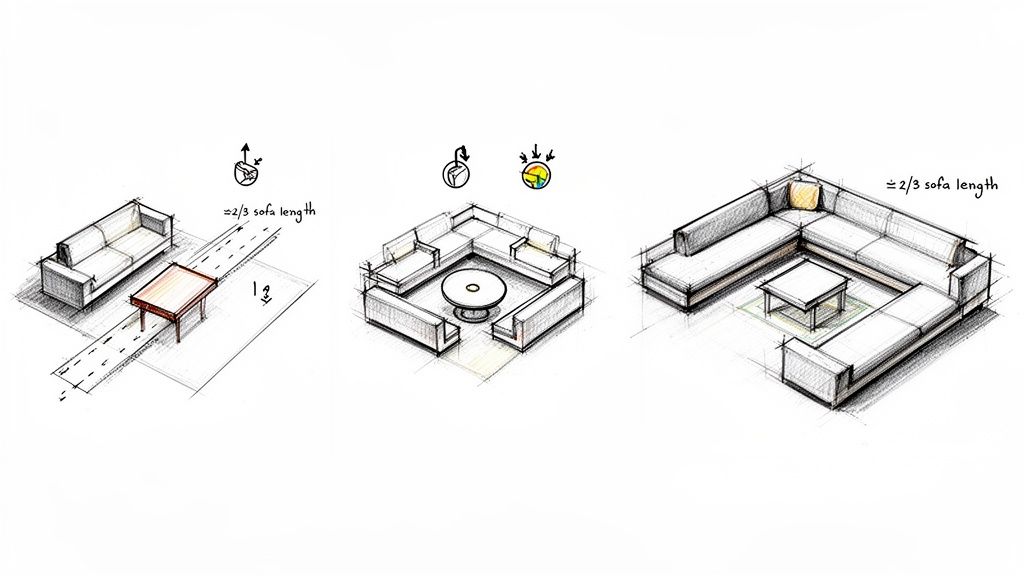
A sectional sofa arrangement is one of the most foundational decorating ideas for a living room, acting as the anchor for both seating and style. Unlike a traditional sofa, a sectional is a multi-piece unit designed to maximize seating capacity while creating defined zones. This makes it particularly effective in open-concept layouts common in North Georgia homes, where it can visually separate the living area from a dining room or kitchen. The right sectional invites connection and conversation, making your living room the true heart of the home.

Why It Works for North Georgia Homes
Sectionals from brands like Ashley Furniture, Flexsteel, and La-Z-Boy are designed for real-life use, offering configurations that fit various room sizes and functions. For example, an L-shaped sectional with a chaise is a popular choice for contemporary living rooms, providing a comfortable spot to stretch out. In larger family rooms or finished basements, a U-shaped modular sectional can seat the whole family for movie night. Many modern designs also include built-in recliners, offering a blend of style and comfort.
Key Takeaway: Before committing to a sectional, always measure your room, doorways, and hallways. A common mistake is choosing a piece that physically fits the room but overwhelms the space or blocks natural traffic flow.
Actionable Tips for Implementation
- Mind the Flow: Position your sectional to create clear pathways. Avoid placing it where it blocks entryways or makes it difficult to access other parts of the room.
- Choose Durable Fabrics: For households with children or pets, a performance fabric is a smart investment that resists stains and wear.
- Add a Coordinating Ottoman: An ottoman provides flexible seating, a footrest, or a surface for a tray, adding function without clutter.
- Layer with Textiles: Use throw pillows and blankets to introduce color and texture. This allows you to update your living room’s look seasonally without buying new furniture.
2. Neutral Color Palette with Accent Walls
Employing a neutral color palette with an accent wall is one of the most versatile decorating ideas for a living room, offering a balance between calm and character. This approach uses foundational colors like whites, grays, beiges, or taupes for the majority of the room's surfaces while designating one wall for a bolder, more saturated hue. This creates a powerful focal point and adds depth without overwhelming the space, providing a sophisticated backdrop that is easy to update with accessories.

Why It Works for North Georgia Homes
This design strategy works well in the varied architecture of North Georgia homes, from modern new builds to classic ranch-style houses. For instance, a soft gray living room can be instantly energized with a deep teal or navy blue accent wall behind the sofa. In rooms with lots of natural light, a warm beige or cream palette paired with a rich emerald green accent wall can feel both grounding and luxurious. Color experts at Benjamin Moore and Sherwin-Williams often recommend this technique for creating visual interest while maintaining an open, airy feel.
Key Takeaway: The 60-30-10 rule is a useful guide for this approach. Use your dominant neutral for 60% of the room (walls, large furniture), a secondary color for 30% (rugs, curtains), and your accent wall color for the final 10%, echoed in small decor items.
Actionable Tips for Implementation
- Test Your Paint: Always test paint samples on your chosen accent wall. Observe how the color changes throughout the day with different natural and artificial lighting.
- Select the Right Wall: Choose a wall that you want to draw attention to, such as the one behind your primary seating area or a wall with a key architectural feature.
- Balance with Furniture: Pair your bold accent wall with neutral-colored furniture to let the wall be the star and avoid a cluttered, chaotic look.
- Incorporate the Accent Color: Weave small touches of the accent color into your decor, like throw pillows, artwork, or vases, to create a cohesive design.
3. Layered Lighting Design
A layered lighting design is a complete strategy for illuminating your living room, moving beyond a single, central fixture. This approach combines three types of light-ambient, task, and accent-to create a space that is both functional and full of atmosphere. Proper lighting is one of the most effective decorating ideas for a living room, as it eliminates harsh shadows, supports various activities, and adds visual depth. By thoughtfully placing fixtures, you can craft a warm, inviting, and dynamic environment.
Why It Works for North Georgia Homes
A well-layered lighting scheme makes a living room more versatile, a necessity for modern family life. Ambient light from recessed fixtures or a central chandelier provides general illumination. Task lighting, such as a floor lamp by an armchair or a table lamp on a console, offers focused light for reading or hobbies. Accent lighting from sconces or track lights draws attention to architectural features, artwork, or a stone fireplace, adding character that complements rustic and transitional North Georgia home styles.
Key Takeaway: The goal of layered lighting is control. Installing dimmer switches for your ambient light sources is a simple change that offers a significant impact, allowing you to instantly shift the room’s mood from bright and energetic to soft and relaxing.
Actionable Tips for Implementation
- Start with Ambient: Establish your room’s base lighting with overhead fixtures like chandeliers, flush mounts, or recessed cans.
- Add Task-Specific Lights: Place floor or table lamps near seating areas. A stylish lamp from a brand like Kichler or Uttermost can serve as both a light source and a decorative object.
- Introduce Accent Lighting: Use adjustable spotlights or wall sconces to highlight a piece of art, a textured wall, or built-in shelving.
- Choose Warm Bulbs: For a cozy, comfortable atmosphere, select LED bulbs with a warm temperature around 2700K. They create an inviting glow perfect for a living room.
4. Statement Artwork and Gallery Walls
Creating a visual focal point with artwork is one of the most effective decorating ideas for a living room, transforming a plain wall into a personalized statement. Whether you opt for a single, large-scale piece or a curated gallery wall, art injects color, texture, and personality into your space. This approach is all about self-expression, allowing you to tell a story and make your living room uniquely yours without requiring permanent structural changes.

Why It Works for North Georgia Homes
Art personalizes the popular modern farmhouse and transitional styles prevalent in the region. A large abstract painting can introduce a contemporary edge above a rustic console table, while a gallery wall of family photos and botanical prints can add warmth and character to a neutral-toned living room. This method is incredibly versatile; it works just as well in a spacious family room in Cumming as it does in a compact apartment in Woodstock, allowing you to scale the display to your room's dimensions and your home's aesthetic.
Key Takeaway: The goal is to create a cohesive look, not a cluttered one. Lay out your arrangement on the floor first to visualize the spacing and balance before putting any nails in the wall.
Actionable Tips for Implementation
- Plan with Tape: Use painter's tape to outline the shape and position of each frame on the wall. This lets you adjust the layout without making unnecessary holes.
- Mind Your Height: A common rule is to hang artwork so its center is at eye level, approximately 57 to 60 inches from the floor. When hanging art above a sofa, leave about 6-8 inches of space between the furniture and the bottom of the frame.
- Mix and Match Frames: For an eclectic gallery wall, combine different frame colors, materials, and sizes. To keep it cohesive, stick to a consistent color palette within the artwork itself.
- Use Removable Hangers: For renters or those who like to change decor frequently, high-quality removable hanging strips are an excellent option that prevents wall damage.
5. Comfortable Seating and Area Rugs
Combining quality seating with the right area rug is a powerful decorating idea for a living room, creating a space that is both comfortable and visually cohesive. An area rug acts as a foundation, defining the seating area, adding warmth, and introducing color or texture. When paired with quality sofas, recliners, and accent chairs, this approach grounds the entire room, making your living room an inviting hub for family and friends. It’s a classic design principle that prioritizes comfort without sacrificing style.
Why It Works for North Georgia Homes
This combination works especially well for creating cozy, defined zones within the open-concept or large family rooms common in North Georgia. A large, neutral rug can anchor a sectional, while layering a smaller, patterned rug on top adds personality. For a relaxed, modern farmhouse feel, a durable jute or sisal rug paired with a plush, comfortable sofa creates a space that is both stylish and ready for everyday life. This pairing allows you to solve two design challenges at once: establishing a functional layout and infusing the room with warmth.
Key Takeaway: The most common mistake is choosing a rug that's too small. A properly sized rug should have at least the front legs of your sofa and chairs on it, which helps unify the furniture into a single, intentional grouping.
Actionable Tips for Implementation
- Select the Right Size: Ensure your rug is large enough to anchor your seating arrangement. All furniture should be touching the rug in some way.
- Layer for Texture: For added visual interest, place a smaller, decorative rug (like a faux cowhide or a vintage-style piece) over a larger, neutral base rug.
- Prioritize Durability: In high-traffic living rooms, consider rugs made from durable materials like polypropylene or wool. For homes with children or pets, a washable area rug is a practical choice.
- Use a Rug Pad: Always place a rug pad underneath to prevent slipping, protect your hardwood floors, and add an extra layer of cushioning underfoot.
6. Entertainment Center and Media Storage
A well-designed entertainment center or media console is a cornerstone among decorating ideas for a living room, serving as both a functional media hub and a stylish focal point. Far from just a stand for your television, modern units combine device storage, display shelving, and cabinetry into cohesive arrangements. They expertly organize cables, reduce visual clutter, and integrate technology seamlessly with your decor, all while adding valuable storage.
Why It Works for North Georgia Homes
In many North Georgia homes, the living room pulls double duty as a family gathering spot and a media room. An entertainment center from a brand like Ashley Furniture can anchor the space, providing a designated home for everything from gaming consoles to soundbars. For instance, a long, low-profile console offers a minimalist look, while a larger wall unit with integrated shelving and cabinets provides ample storage for books, games, and decor. These pieces help define the room's purpose and keep it organized.
Key Takeaway: Before purchasing, measure your television and the available wall space. It’s also wise to consider the ideal viewing height from your primary seating to ensure comfort and prevent neck strain.
Actionable Tips for Implementation
- Plan for Ventilation: Leave adequate space around electronic devices like receivers and gaming systems to allow for proper airflow and prevent overheating.
- Balance Storage Types: Combine open shelving for displaying decor with closed cabinets or drawers to hide clutter. This creates a look that is both personal and tidy.
- Manage Cables Early: Plan your cable management strategy before setting everything up. Use clips, sleeves, or built-in channels to keep wires neat and out of sight.
- Secure for Safety: Ensure any tall or heavy units are properly weighted or anchored to the wall, especially in households with children or pets.
7. Window Treatments and Natural Light Management
Strategic window treatments are fundamental decorating ideas for a living room that merge aesthetics with essential function. They control natural light, enhance privacy, and introduce crucial layers of color, pattern, and texture. The right treatment can transform a room’s atmosphere, making it feel cozy for a movie night or bright and airy for a sunny afternoon. From sheer curtains that filter soft light to blackout shades for a media room, the options are vast and can be tailored to any style.
Why It Works for North Georgia Homes
In North Georgia, where sunlight can be intense, managing light is as much about comfort as it is about protecting furniture and floors from fading. Layering treatments, such as pairing modern roller shades with lightweight curtain panels, offers a great solution. For homes with a modern farmhouse or transitional style, patterned Roman shades can add a clean, tailored look without the bulk of traditional drapes. Floor-to-ceiling curtains are an excellent choice for rooms with high ceilings, adding a sense of elegance and making the space feel even larger.
Key Takeaway: The way you hang your curtains dramatically impacts the room’s perceived height. Mounting the curtain rod several inches above the window frame and extending it beyond the frame’s width makes windows appear larger and grander.
Actionable Tips for Implementation
- Layer for Control: Combine sheer curtains for daytime privacy with heavier, opaque drapes for light blocking and insulation.
- Measure Accurately: Always measure your window’s height and width carefully. Ensure curtains are long enough to either kiss the floor or puddle slightly for a more formal look.
- Complement Your Palette: Choose fabrics and colors that align with your wall paint and furniture. Neutral tones are timeless, while a subtle pattern can act as a quiet accent.
- Consider Energy Efficiency: Opt for thermal-backed or lined drapes to help insulate your living room, keeping it warmer in the winter and cooler in the summer.
8. Texturing with Throw Pillows and Blankets
Among the most accessible decorating ideas for a living room, layering with throw pillows and blankets offers an immediate boost of comfort and visual depth. These simple accessories are powerhouse tools for introducing varied textures, patterns, and colors that make a space feel complete and personalized. By mixing materials like velvet, chunky knits, linen, and faux fur, you can transform a plain sofa into an inviting focal point, adding warmth that’s especially welcome during North Georgia’s cooler months.
Why It Works for North Georgia Homes
Throw pillows and blankets are an accessible and low-commitment way to experiment with style. For a home with a neutral modern farmhouse or transitional theme, adding pillows with geometric patterns or blankets in rich, earthy tones can instantly refresh the look without a major investment. Because they are easy to swap out, you can rotate them seasonally, bringing in warm, cozy textures for fall and winter and lighter, brighter fabrics like linen for spring and summer. This approach keeps your living room feeling fresh year-round.
Key Takeaway: The goal is to create a collected, not chaotic, look. Balance busy patterns with solid-colored pieces and use a consistent color palette to tie everything together.
Actionable Tips for Implementation
- Vary Size and Shape: Use a mix of standard square pillows with lumbar or round cushions to create a more dynamic and professionally styled arrangement.
- Play with Numbers: Arrange pillows in odd numbers, such as three or five, for a more modern and visually appealing composition on your sofa.
- Mix Materials: Combine different textures to create tactile interest. For instance, pair a smooth velvet pillow with a nubby knit throw and a crisp linen cushion.
- Connect with Color: Pull accent colors from your wall art, rug, or curtains to create a cohesive look. For detailed advice on selecting and arranging these soft furnishings, refer to this comprehensive guide to the perfect throw pillow for sofa styling.
9. Green Plants and Natural Elements
Bringing green plants and other natural elements into your living room is one of the most effective decorating ideas for creating a space that feels fresh, vibrant, and connected to the outdoors. This approach, rooted in biophilic design, uses living greenery, natural wood, stone, and organic materials to add texture and life. From a large potted fiddle leaf fig in a corner to a collection of hanging plants, these elements can improve air quality and add a layer of authentic warmth that complements any style.

Why It Works for North Georgia Homes
The lush landscapes of North Georgia provide the perfect inspiration for incorporating natural decor. Pairing a natural wood coffee table or live-edge shelving with greenery reflects the surrounding environment, creating a seamless indoor-outdoor feel. Stone and concrete accents can ground the space, adding an earthy, textural contrast to wooden furniture and soft textiles. This strategy adds visual interest and a sense of calm, turning your living room into a relaxing retreat.
Key Takeaway: You don't need a green thumb to succeed. Start with low-maintenance plants like snake plants, ZZ plants, or pothos, which are famously forgiving and adapt well to various indoor light conditions.
Actionable Tips for Implementation
- Assess Your Light: Before buying plants, observe the natural light in your living room. Choose plants that will thrive in the conditions you have, whether it’s bright, indirect light or a lower-light corner.
- Group for Impact: Create a "plant jungle" effect by grouping several plants of different sizes and species together. This makes a stronger visual statement and can simplify watering.
- Vary Your Planters: Use a mix of pot styles, materials, and sizes to add another layer of texture and personality. Use plant stands to elevate certain plants for a more dynamic display.
- Consider Pets: If you have pets, be sure to choose non-toxic, pet-safe plants to keep your furry family members safe from harm.
10. Functional Coffee Tables and Side Tables
Strategic selection of coffee tables and side tables is one of the most practical decorating ideas for a living room. These pieces are more than just surfaces; they are functional anchors that define a layout, provide essential storage, and support daily activities. A well-chosen coffee table serves as a central hub for conversation and display, while side tables offer convenient spots for lighting, drinks, and personal items. Together, they create a cohesive and organized living space.
Why It Works for North Georgia Homes
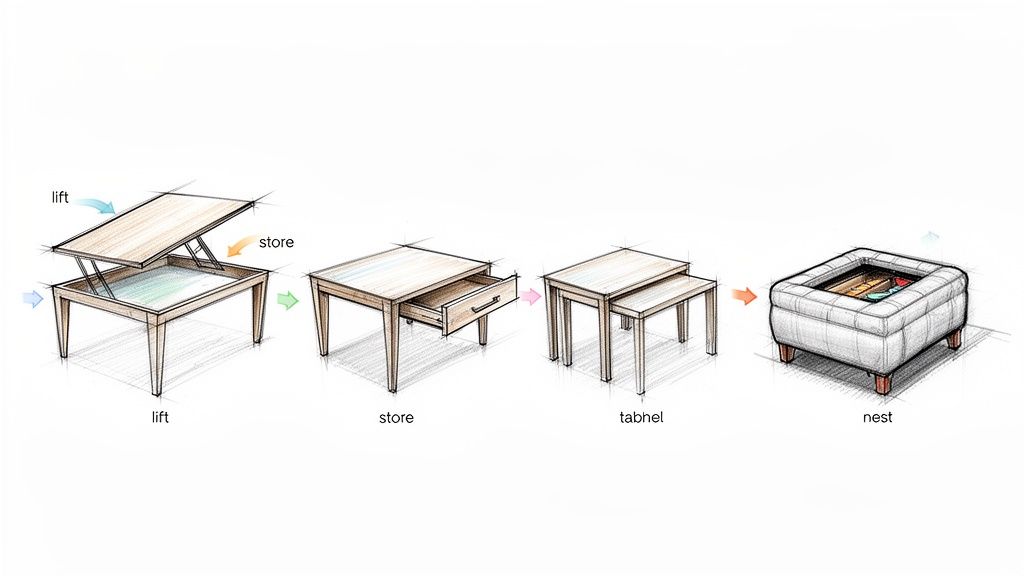
In busy family households, functionality is key. Modern coffee tables with built-in drawers, lower shelves, or lift-tops that convert to a work surface provide clever solutions for hiding clutter and adapting to different needs. For smaller living rooms or apartments, nesting tables are an excellent choice, offering flexible surface area that can be expanded for guests and tucked away for daily use. Brands offer diverse materials like durable wood or sleek metal frames, ensuring there is a style that complements any North Georgia home, from rustic to contemporary.
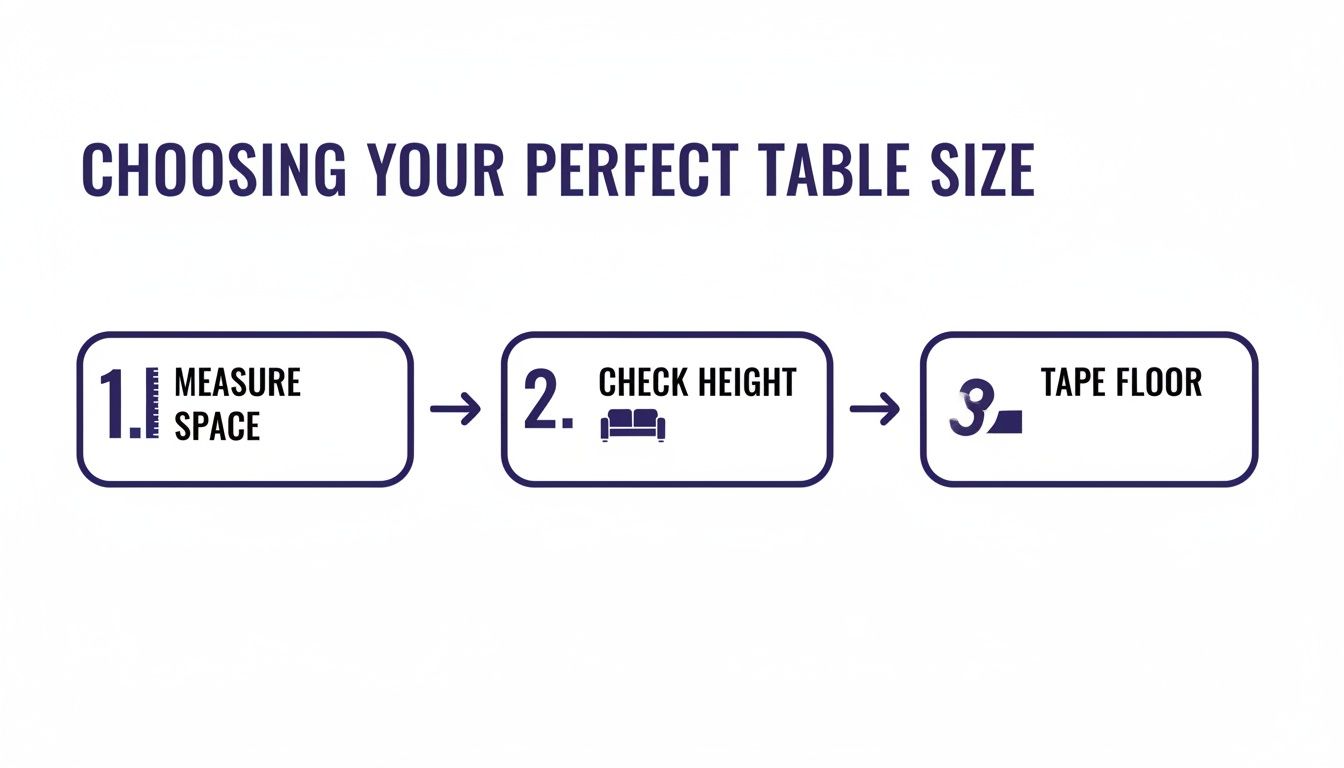
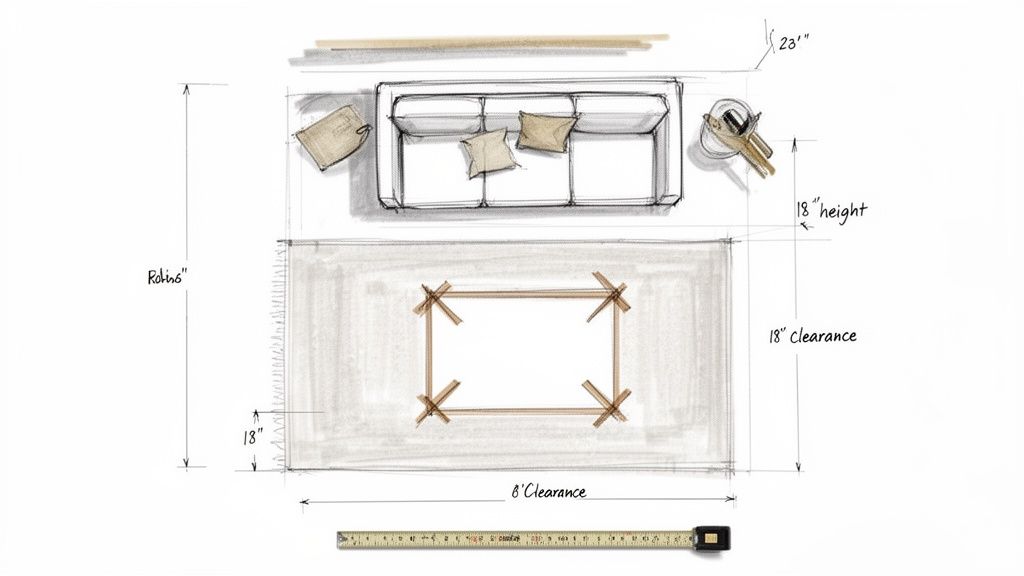
Key Takeaway: The ideal coffee table height is at or slightly below the height of your sofa's seat cushions. This ensures easy access without visually overpowering the seating arrangement. A common rule is to leave about 18 inches of clearance between the sofa and the table.
Actionable Tips for Implementation
- Prioritize Storage: If you need to manage clutter like remotes, magazines, or toys, choose a coffee table with drawers or a lower shelf.
- Embrace Flexibility: Use nesting tables in tight spaces. They can be separated to serve different seating areas or consolidated to save floor space.
- Mind the Gap: Maintain at least 18 inches of space between your coffee table and sofa to allow for comfortable movement and legroom.
- Coordinate Materials: Pair tables with complementary materials or finishes to create a unified look. For example, a wood coffee table can be paired with metal-accented side tables for a balanced, mixed-media feel.
11. Accent Chairs and Reading Nooks
Beyond the main sofa, accent chairs are one of the most versatile decorating ideas for a living room. They create valuable secondary seating, introduce contrasting colors or patterns, and help define different activity zones. A well-placed accent chair can transform an unused corner into a cozy reading nook, offering a personal retreat within a shared family space. This approach prevents visual monotony and encourages the living room to be used in more varied ways throughout the day.
Why It Works for North Georgia Homes
Accent chairs provide a simple way to add personality and function. In a family room, a durable leather recliner can create a comfortable spot for watching TV that’s separate from the main sofa. In a more formal living room, a pair of elegant wingback chairs flanking a fireplace establishes a dedicated conversation area. Brands like Flexsteel and Ashley Furniture offer a wide array of styles, from mid-century modern designs that add a pop of character to classic barrel chairs perfect for a quiet corner. This flexibility allows you to tailor your space to specific needs without a complete redesign.
Key Takeaway: An accent chair doesn't need to match your sofa. In fact, choosing a chair in a contrasting style, color, or fabric often creates a more interesting and professionally designed look. The goal is coordination, not perfect matching.
Actionable Tips for Implementation
- Create a Functional Nook: Pair your accent chair with a small side table and a dedicated reading lamp to make it a self-sufficient zone.
- Consider Placement: Position chairs away from the primary seating group to define a separate area and encourage different activities.
- Add an Ottoman: An ottoman provides a place to prop up your feet, offers extra seating, or can hold a tray for drinks and snacks.
- Tie It All Together: Use a throw pillow or blanket on the accent chair that picks up a color from your sofa or rug to create a cohesive look.
12. Fireplace Focal Points and Hearth Design
A fireplace acts as a natural architectural anchor and gathering spot, making it an excellent starting point for many decorating ideas for a living room. Whether it's a traditional wood-burning hearth, a convenient gas insert, or a modern electric unit, a fireplace provides both warmth and a strong visual focus. Designing around it involves styling the mantel, selecting a surround, and arranging furniture to celebrate its presence, turning a simple feature into a stunning centerpiece.
Why It Works for North Georgia Homes
From rustic mountain cabins to contemporary suburban houses, fireplaces are a beloved feature in North Georgia homes. A floating wood mantel can add a touch of modern farmhouse charm, while a classic stone surround reinforces a traditional, cozy aesthetic. In new constructions, linear electric fireplaces are often integrated directly into entertainment centers for a clean, multipurpose look. The fireplace becomes the heart of the room, dictating furniture placement and creating an inviting atmosphere for family and guests to gather.
Key Takeaway: The mantel is your stage for personal expression. Keep the decor balanced and uncluttered, using items of varying heights to create visual interest without overwhelming the space.
Actionable Tips for Implementation
- Arrange for Warmth: Position your primary seating, like a sofa and armchairs, to face the fireplace. This creates a conversational zone that also benefits from the heat.
- Hang a Statement Piece: Place a large mirror or a favorite piece of art above the mantel to draw the eye upward and anchor the wall.
- Style in Odd Numbers: Group decorative objects like candles, vases, or picture frames in threes or fives. This asymmetrical approach is often more visually appealing than even-numbered groupings.
- Mind Safety Clearances: Always maintain proper clearance between the firebox and any combustible materials, including your mantel and décor, following manufacturer and building code guidelines.
12-Point Living Room Decor Comparison
| Design Idea | Implementation Complexity | Resource Requirements | Expected Outcomes | Ideal Use Cases | Key Advantages |
|---|---|---|---|---|---|
| Sectional Sofa Arrangement | Moderate — delivery and layout planning | Large floor area, modular pieces, moving help | Maximizes seating; defines conversation zones | Open-concept or large family rooms | High seating capacity; modular flexibility |
| Neutral Color Palette with Accent Walls | Low–Moderate — painting and color selection | Paint, samples, possible pro painter | Cohesive, calming backdrop with focal interest | Versatile rooms needing timeless base | Cost-effective, easy to update with accessories |
| Layered Lighting Design | High — electrical planning and fixture mix | Multiple fixtures, dimmers, electrician | Flexible mood control; improved functionality | Multipurpose living rooms and media spaces | Eliminates shadows; adaptable ambiance |
| Statement Artwork and Gallery Walls | Low–Moderate — planning and installation | Artworks, frames, hanging hardware | Strong visual focal point; personalization | Above sofas, blank walls, entry views | High impact; easily changeable |
| Comfortable Seating and Area Rugs | Low–Moderate — sizing and placement | Quality seating, rugs, rug pads | Defined seating zones; added warmth and acoustics | Family rooms and cozy living spaces | Comfort, floor protection, visual cohesion |
| Entertainment Center and Media Storage | Moderate–High — sizing and cable planning | Large furniture, cable systems, possible pro install | Organized media hub; reduced clutter | TV-centric rooms and storage-heavy spaces | Integrated storage; tidy technology integration |
| Window Treatments and Natural Light Management | Moderate — measuring and installation | Fabrics, hardware, motorization optional | Controlled light, privacy, improved efficiency | Bright rooms, media rooms, climate-sensitive spaces | Light control; thermal and privacy benefits |
| Texturing with Throw Pillows and Blankets | Low — simple styling updates | Pillows, throws in varied fabrics | Added texture and seasonal refresh capability | Any living room needing quick updates | Affordable, low-commitment personalization |
| Green Plants and Natural Elements | Low–Moderate — plant care and placement | Plants, pots, stands, proper lighting | Biophilic feel; improved air and warmth | Rooms with natural light; organic design goals | Natural texture; health and calming benefits |
| Functional Coffee Tables and Side Tables | Low — selection and sizing | Tables (storage/nesting), possible assembly | Practical surfaces; anchors seating layouts | Daily-use living rooms and small spaces | Storage options; convenience and versatility |
| Accent Chairs and Reading Nooks | Low–Moderate — space planning | Chair, lamp, side table, ottoman optional | Secondary seating; defined activity zones | Reading corners, multi-user living rooms | Flexible seating; stylistic contrast |
| Fireplace Focal Points and Hearth Design | High — construction or remodel often needed | Mantel/surround materials, safety measures | Strong architectural focal point; warmth | Homes with fireplaces or renovation plans | Ambiance, gathering focus, potential resale value |
Bringing Your Vision to Life with Confidence
We have journeyed through a dozen fundamental decorating ideas for your living room, moving from the foundational decisions of furniture arrangement and color palettes to the finishing touches of accessories and lighting. Each element, from the placement of a sectional sofa to the selection of a single piece of statement art, plays a vital role in the room's final story. The goal is not to execute every idea perfectly but to understand the principles behind them so you can make confident, intentional choices that align with your North Georgia lifestyle.
Thinking of your living room design as a series of layers can make the process feel much more manageable. You start with the largest, most impactful pieces-your seating and major casegoods-and then progressively add layers of function and personality.
Key Takeaway: A successful living room design isn't about following a rigid formula. It's about understanding how layout, color, light, and texture work together to create an environment that feels uniquely yours and serves your family's daily needs.
From Inspiration to Actionable Plan
The difference between a living room you like and one you love often comes down to thoughtful planning. Before making any significant changes or purchases, take a moment to synthesize the concepts we've discussed.
- Revisit Your Foundation: How does your current layout serve you? Does your seating arrangement encourage conversation and connection, or does it create barriers? Start by assessing your room's flow and focal point, as this will guide all other decisions.
- Analyze Your Layers: Look at your lighting, textiles, and accessories. Are they working in concert? You might find that simply updating your window treatments to let in more natural light or introducing a new area rug can dramatically alter the room's atmosphere without a complete overhaul.
- Prioritize Function and Comfort: A beautiful living room that isn't comfortable or functional is merely a showroom. Ensure your furniture choices, from a cozy accent chair in a reading nook to a durable coffee table, truly support how you live. This is one of the most practical decorating ideas for a living room that gets used every day.
By breaking down the project into these manageable steps, you transform a potentially overwhelming task into an exciting creative process. Your living room should be a direct reflection of your personality and a sanctuary for your household. It’s the space where memories are made, conversations flow, and you can truly unwind after a long day. Mastering these design concepts empowers you to build that space with purpose, creating a room that is not only aesthetically pleasing but deeply personal and functional for years to come. Remember, the best designs are those that evolve with you.
Ready to turn these decorating ideas for your living room into reality? With your measurements and inspiration in hand, come visit us at Woodstock Furniture & Mattress Outlet. Our knowledgeable, non-commissioned team is here to offer honest advice and help you find quality furniture that fits your home, budget, and lifestyle, all backed by our commitment to helpful service.