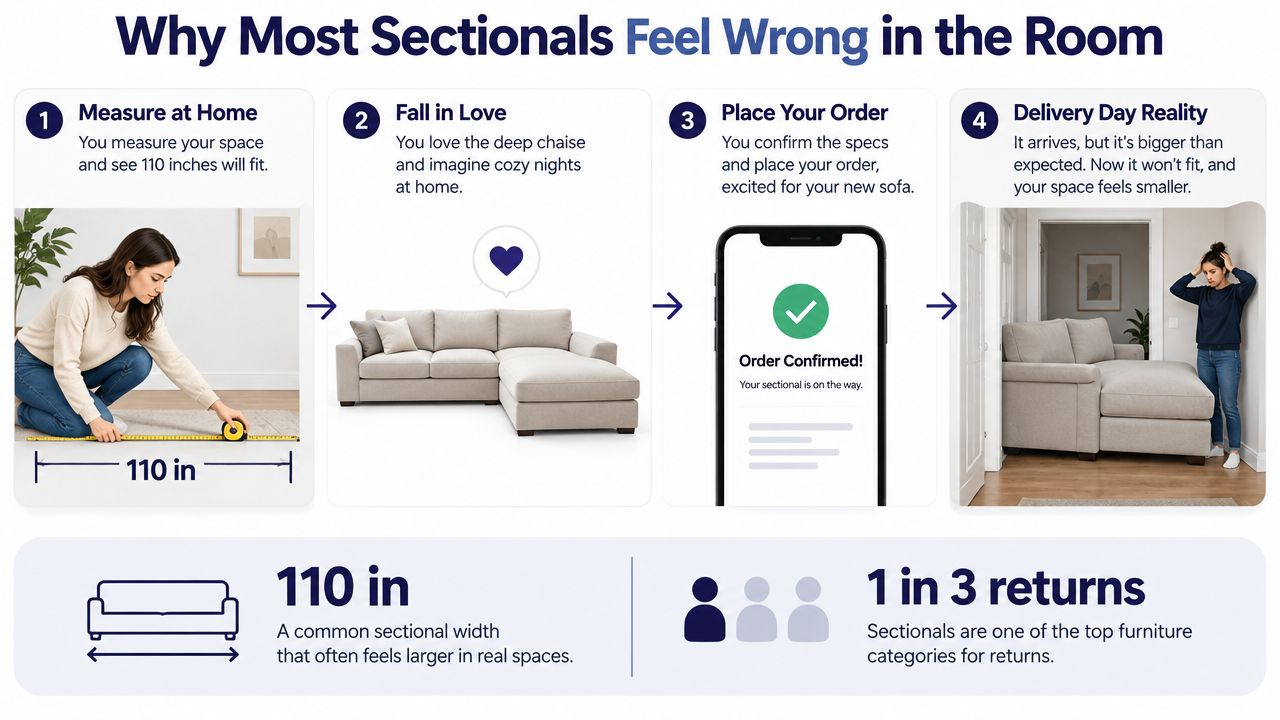
Tag: furniture sizing

  • Couch End Table with Storage: A Practical Buying Guide

    Couch End Table with Storage: A Practical Buying Guide

    A lot of living room problems show up at the end of the sofa first. The phone has no place to charge. A drink ends up on the window ledge. The remote disappears into the cushions again. Then a new table arrives, and the top sits too high to use comfortably, the drawer cannot open all the way, or the shelf looks useful online but is awkward once the table is tucked beside the couch.

    That mismatch causes most of the buyer's remorse I see with storage end tables.

    A couch end table with storage has to do more than hold a lamp and hide a few remotes. It needs to match the seat height of the sofa, leave enough room for people to walk past, and open easily in the space you have available. A table can be well made and still be wrong for the room if it is too deep for a narrow layout or if the storage access only works when you pull it away from the couch.

    Daily use matters more than the product photo. Drawers need clearance. Doors need swing room. Open shelves collect items fast, but they also keep clutter visible. Lift-top and basket styles can work well, though they are not always the easiest option when someone is seated with a blanket, a pet, or a child pressed against them.

    The goal is simple. Choose a table that fits the sofa, the traffic path, and the way your household uses that spot. That practical fit is what makes storage useful instead of frustrating.

    Why a Storage End Table Might Be Your Living Room's Missing Piece

    A plain end table gives you a landing spot. A storage end table solves a daily friction point.

    Most living rooms collect the same small messes. Remotes, chargers, reading glasses, mail, coasters, game controllers, kids' items, and the throw blanket that never quite has a home. When all of that sits out in the open, the room starts to feel busy even when it isn't dirty.

    A pencil sketch comparison showing a cluttered living room before and after adding a storage end table.

    It creates a working zone beside the sofa

    The best spot beside a couch should do three jobs at once:

    • Hold what you reach for often so drinks, phones, and lamps stay within easy reach
    • Hide what makes the room feel messy like cords, remotes, and small electronics
    • Support how you use the seat whether that means watching TV, reading, or answering a few emails

    That combination changes how the room feels. Instead of every item floating around the seating area, you get one controlled zone that supports the seat without taking over the room.

    It reduces clutter without adding bulk

    That's the reason storage matters so much in smaller homes and open-plan rooms. A basket on the floor can help, but it still takes visual space. A storage ottoman can work, but it often solves a different problem in the center of the room. A couch end table with storage keeps the function right where you need it, at arm's reach.

    Practical rule: If the items you use from the sofa don't have a dedicated place, they'll end up on cushions, coffee tables, or the floor.

    A good piece also helps the room look calmer. Not because it hides everything, but because it gives repeat-use items a predictable home. That's what makes it feel less like “one more piece of furniture” and more like a fix for an awkward corner that never worked quite right.

    Exploring Your Storage Options

    A storage end table only helps if the compartment works from the seat you use every day. I've seen plenty of good-looking tables create new annoyances because the drawer hits a knee, the cabinet door opens into a walkway, or the shelf sits so low that nobody wants to bend for it. Online listings rarely show that part.

    An infographic titled Storage Solutions at a Glance comparing drawer, cabinet, open shelving, and lift-top storage units.

    Drawers, cabinets, shelves, and lift tops

    Each storage style solves a different problem.

    • Drawers fit the items that create daily clutter fast. Remotes, reading glasses, chargers, coasters, pens, and notepads all disappear cleanly. They work best when the drawer can open fully without crowding the sofa arm or blocking a traffic path. The trade-off is simple. Drawers are great for small items, but they waste space if you need to store a throw blanket or anything tall.

    • Cabinet storage gives you more flexibility for bulky or awkward items. A small basket of cords, a folded blanket, magazines, or kids' toys all fit better behind a door than in a drawer. The catch is door clearance. A hinged door needs room to swing, and that matters a lot in tight layouts where the table sits between the sofa and a wall.

    • Open shelving is usually the easiest option to live with if you reach for the same things over and over. Books, a basket, or a device you use nightly stay visible and easy to grab. It also asks more of the homeowner. If you don't want to see the items, or if dust bothers you, an open shelf can feel messy even when it is technically organized.

    • Lift-top storage can be useful in small living rooms where one table has to do extra work. The hidden compartment keeps surface clutter out of sight, and the raised top can help with laptop use or a quick meal. Some designs feel heavy to operate, though, and they are less convenient if your main habit is setting down a drink and grabbing one item with one hand.

    Daily comfort usually comes down to motion. Can you reach the storage without leaning forward too far, twisting around the sofa arm, or clearing off the tabletop first?

    Match the compartment to the item

    The easiest way to choose is to start with what actually needs a home beside the couch.

    Storage type Best for Watch out for
    Drawer Remotes, cords, coasters, glasses Limited space for bulky items
    Cabinet Blankets, magazines, larger accessories Door clearance beside sofa
    Open shelf Books, baskets, decor Visual clutter and dust
    Lift-top Hidden catch-all storage, light work use Heavier operation

    That practical mix of storage and style is part of a larger trend in furniture buying, as noted earlier. Shoppers want pieces that earn their floor space, especially in living rooms where every inch beside the sofa has to work harder.

    If your whole room needs better organization, this guide to reclaiming your living room offers useful ideas for handling overflow beyond the table itself.

    Getting the Size and Scale Just Right

    A storage end table can solve clutter and still make the room harder to use if the proportions are wrong. I see that happen most often with online purchases. The finish looks right in the listing, but the top ends up too high for a coffee mug, too deep for the walkway, or built with storage you cannot reach comfortably from the seat.

    An infographic titled Perfect Fit illustrating four tips for choosing the right size end table for sofas.

    Start with the sofa arm, not the table photo

    Height drives daily comfort.

    The tabletop should sit within 1 to 2 inches of the sofa armrest height according to Eureka Ergonomic's sofa end table height guide. That range keeps a drink, remote, or lamp close to hand without forcing your wrist up or down every time you use it. A table that looks only slightly off on a product page can feel awkward by the end of the first night.

    Shelf spacing matters too. Eureka Ergonomic also notes that multi-tier tables need at least 10 inches of clearance below the top shelf. In practice, that helps with both access and comfort. Tight shelf spacing makes storage less useful, and anything that sticks out below the top can crowd knees or snag a blanket when someone stands up.

    For shoppers who want a visual example before measuring, this short video is helpful:

    Depth controls traffic flow

    Depth is the measurement shoppers skip, and it is often the one that causes buyer's remorse.

    A table can be the right height and still feel wrong if it projects too far into the room. In a tighter layout, extra depth steals walking space beside the sofa, especially near recliners, chaises, and room entries. Shallower tables usually work better in these spots because they keep the surface usable without turning the corner of the seating area into an obstacle.

    C-shaped tables can help in narrow rooms because part of the base slides under the sofa. Standard square tables usually offer more enclosed storage, but they need more breathing room around them. That is the kind of trade-off listings rarely explain clearly.

    A measuring routine that prevents mistakes

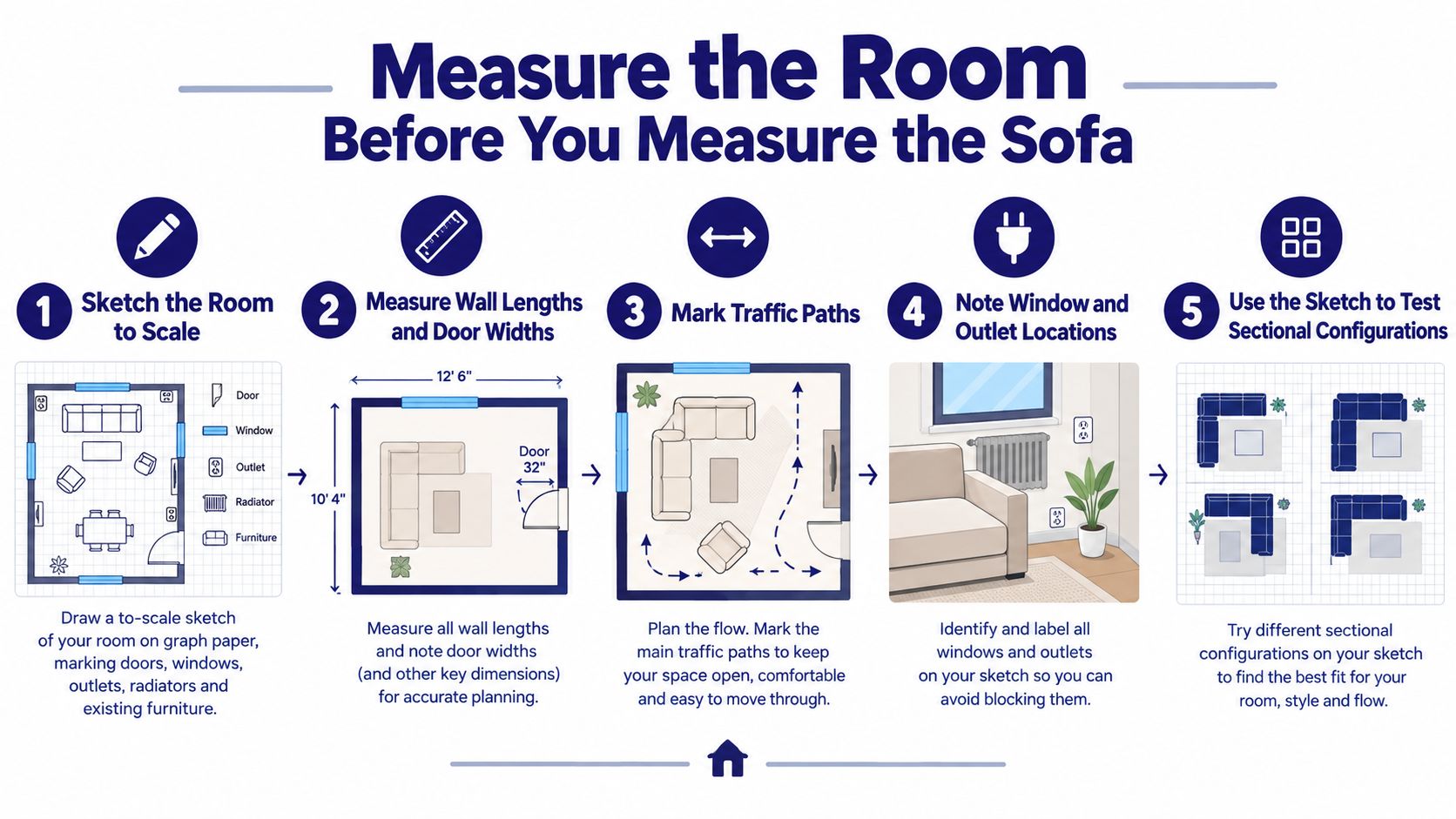
    Use painter's tape and test the footprint before you buy. It takes a few minutes and answers questions a product photo cannot.

    1. Measure sofa arm height from the floor to the top of the arm.
    2. Measure the open floor area where the table will sit, including nearby trim, vents, or recliner clearance.
    3. Tape the table depth on the floor and walk past it the way your family normally does.
    4. Mimic storage access while seated by reaching where a drawer, shelf, or cabinet door would be.

    If you have to lean forward, twist around the sofa arm, or stand up to get to the storage, the piece is the wrong fit for that seat. That is true even when the style looks perfect on screen.

    Matching Materials and Styles to Your Home

    A table can measure perfectly and still feel wrong once it lands in the room.

    I see that happen when shoppers choose a finish from a product photo without thinking about daily wear, how the piece visually sits beside the sofa, or whether the storage door and top surface will still look good after a year of real use. Materials affect all of that. So does style.

    Choose materials for the way the room gets used

    Solid wood works well for households that want a warmer, more grounded look and do not mind normal wear developing over time. Small scratches usually read as part of the surface instead of damage, especially on medium and darker stains. The catch is upkeep. Wet glasses, hot mugs, and direct sun can leave marks on some finishes, so solid wood is often better for families who will use coasters and wipe spills quickly.

    Engineered wood fits a lot of living rooms because it keeps cost under control and allows for more storage-focused designs. It is also common in painted tables and cleaner-lined transitional pieces. Quality varies a lot. Thick panels, stable joinery, and decent drawer slides hold up fine in everyday use. Thin laminate tops and lightweight hardware tend to show wear fast, especially if the drawer gets opened ten times a day from the same seat.

    Metal earns its place in tight layouts and more modern rooms because it keeps the table from looking heavy. That matters next to bulkier sectionals and overstuffed sofa arms. A metal frame can make a storage table feel less crowded, even when the footprint is similar to a wood version. The trade-off is feel. Some metal-and-glass or metal-and-thin-wood combinations can look sharp online but feel cold or insubstantial in a family room.

    Match the table to the sofa's visual weight

    Style goes beyond color.

    A storage end table should relate to the sofa beside it in scale and presence. If the sofa has wide rolled arms, turned legs, and a soft traditional shape, an ultra-thin black metal table can look underdressed. If the sofa is low, square, and modern, a chunky farmhouse table with distressed details can feel like it belongs to another room.

    A few practical pairings usually work well:

    • Warm wood tones suit traditional, farmhouse, and many transitional spaces, especially when the sofa has texture or classic detailing.
    • Black metal or mixed materials fit cleaner-lined rooms and help break up heavy upholstery.
    • Painted finishes often work well when you need the table to blend in rather than call attention to itself, particularly beside patterned fabric or a large sectional.

    Glass is the wildcard. It can visually lighten a crowded room, but it shows dust, fingerprints, and lamp cord clutter faster than almost any other surface. For a storage piece, that usually makes it a better fit for lower-traffic rooms than busy family seating areas.

    Storage details should look good closed

    Online listings usually focus on the front view. In a real room, people see the table from the side, from the entry, and while sitting down. That is why door style, handle size, shelf backing, and leg shape matter more than shoppers expect.

    Closed storage looks calmer in busy households. Open shelving feels lighter, but it also puts everything on display unless you use baskets or keep the contents edited. A drawer with a big gap line or a cabinet door that looks slightly off-center will bother you more in person than it does in a staged product image.

    The best-looking table is usually the one that disappears into the room when nothing is on it, then does its job when you need a charger, remote, or coaster within reach.

    As noted earlier, side tables have become standard furniture pieces rather than afterthoughts. That lines up with what I see in North Georgia homes. Buyers want one piece that fits the sofa, handles clutter, and still looks settled in the room a year later.

    Real-World Use Cases for Your End Table

    A good choice becomes clearer when you stop thinking in categories and start thinking in rooms.

    In a compact apartment

    A narrow or C-shaped storage table often makes the most sense when the sofa sits close to the walkway. Some designs measure as little as 17" W x 12" D, and that smaller footprint allows the base to slide under the sofa to preserve floor space, as shown in this compact table example from Aosom. In practice, that means you can keep a drink, charger, and book close without committing a big chunk of the room to one side table.

    In a family living room

    Families usually need concealment more than display. A drawer or cabinet helps because the room has too many loose objects in motion. Game controllers, coloring supplies, extra charging cords, and the TV remote all need a home, but nobody wants them spread across the seating area all evening.

    In these rooms, I'd lean toward sturdier silhouettes and simpler access. Open cubbies can work if you use baskets. Tiny decorative shelves often don't.

    In a reading corner or multi-use room

    This is where open shelving can shine. A lamp on top, a couple of books below, maybe a small tray for glasses or a mug. The table becomes part of the routine instead of just a place to hide things.

    If you're shopping locally, a showroom visit can help with these use-case decisions because you can sit beside the piece, open the storage, and see how far it projects into your space. Woodstock Furniture & Mattress Outlet is one example of a retailer that carries side and end tables, including storage-oriented options, so shoppers can compare shapes and access styles in person rather than relying only on listing photos.

    FAQ Choosing the Right Couch End Table

    Some questions only come up after you've looked at a few tables and realized the easy answers don't help much.

    A checklist for choosing a storage end table, outlining five essential factors for a smart purchase decision.

    What works with a low-arm or armless sofa

    This is one of the most overlooked sizing problems. General advice usually assumes a standard sofa arm, but that doesn't help much with low modern profiles or armless sectionals.

    Guidance from Guynn Furniture's couch end table advice suggests aiming for a table surface at or just below the seat cushion height for sofas with no arms or very low arms. That usually looks more connected and feels more functional than choosing a table based on standard arm-height rules.

    Should end tables match the coffee table

    Not necessarily.

    Matching can create a tidy, traditional look. Coordinating often feels more natural in real homes. If the coffee table is visually heavy, a lighter end table can keep the room from feeling overfurnished. Material, finish tone, or hardware style can tie the pieces together without making them identical.

    How do I buy on a tighter budget without regretting it

    Focus on the parts you touch and use most.

    • Check the top surface for a finish you can live with daily
    • Open every drawer or door because poor hardware is hard to ignore
    • Look at the base to see whether it feels stable on your floor
    • Choose simpler storage if the mechanism seems fussy

    A straightforward shelf or drawer often ages better than a complicated feature you only use occasionally.

    Can a storage table still look decorative

    Yes, if the storage doesn't dominate the silhouette. The most successful pieces usually balance closed storage with a shape that still feels like an end table first. If you like more character in a room, these unique home decor pieces can help spark ideas for mixing function with personality.

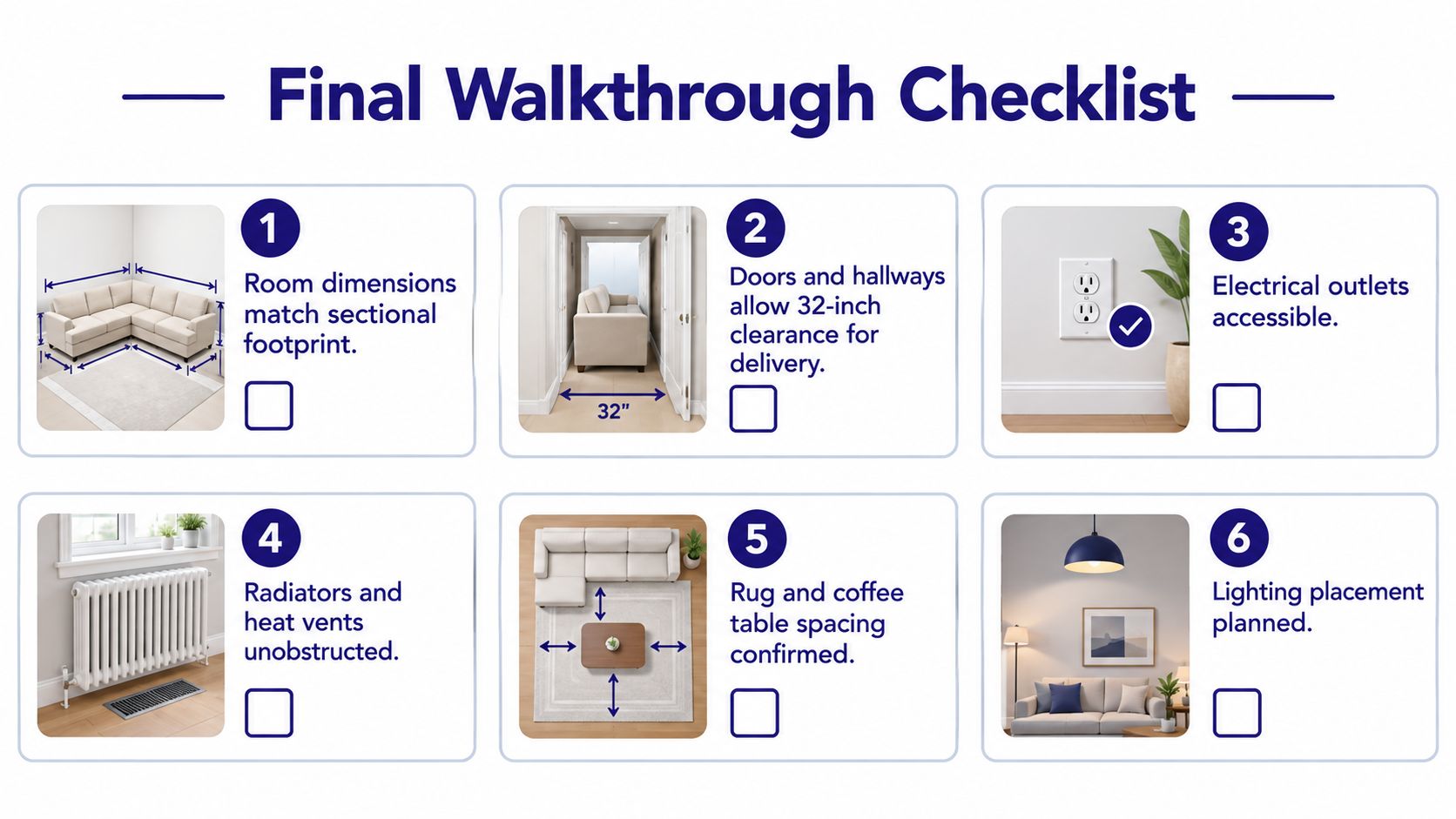
    What's the final check before I buy

    Ask yourself five things:

    • Will I reach this comfortably from the seat
    • Will it block the walkway
    • Can I access the storage one-handed
    • Does it hold the items I use there
    • Does the finish fit the room I already have

    If any one of those gets a clear no, keep looking. A couch end table with storage should make the room easier to live in, not just more furnished.


    If you want to compare sizes, storage styles, and finishes in person, Woodstock Furniture & Mattress Outlet is a practical place to do that. Seeing the scale next to real seating, opening the drawers yourself, and checking how a table feels from a seated position can remove a lot of the guesswork that comes with online shopping.

  • What Is the Width of a Queen Bed? A Complete Guide

    What Is the Width of a Queen Bed? A Complete Guide

    If you're trying to figure out the width of a queen bed, the simple answer is 60 inches. This has become a very popular mattress size across the country, and for good reason. It’s a comfortable upgrade from a full bed without taking up the massive footprint of a king.

    The Official Width of a Queen Bed

    A standard queen mattress measures 60 inches wide by 80 inches long. These dimensions became more common after World War II as homes grew larger and people sought more room to stretch out. Today, it’s a leading choice, making up a significant portion of mattress sales in North America. If you're curious about the history, you can learn more about how mattress standards have evolved over time.

    To really get a feel for what that 60-inch width means, it helps to see how it stacks up against other common sizes you might have slept on.

    How Queen Width Compares to Other Sizes

    Moving up from a full-size bed (sometimes called a double) to a queen gets you an extra six inches of width. That might not seem like a huge number on paper, but it can make a real difference in sleep quality—especially for couples. Those extra inches mean more personal space and can reduce accidental wake-up calls from a partner who likes to toss and turn.

    For couples, a queen mattress provides 30 inches of personal space for each person. Many people find this is a comfortable amount of space for two adults to sleep without feeling like they're on top of each other. It's a noticeable upgrade from the 27 inches per person a full bed offers.

    Sometimes it helps to have a quick reference when you're trying to visualize these differences.

    Standard Mattress Widths at a Glance

    Mattress Size Standard Width (Inches) Width Per Person (For Couples)
    Full 54 inches 27 inches
    Queen 60 inches 30 inches
    King 76 inches 38 inches

    As you can see, the queen occupies a middle ground between the cozier full and the expansive king.

    This chart below gives you a clear visual of how these mattress widths compare side-by-side.

    Bar chart comparing full, queen, and king mattress widths in inches. Full and queen are 80 inches, king is 60 inches.

    It’s understandable why the queen has become a frequent choice for master bedrooms. It offers ample room for most single sleepers and couples, all while fitting comfortably into many average-sized rooms.

    Why 60 Inches Became a Popular Choice for Sleep

    The queen bed didn’t become a leading mattress size by chance. It effectively solved a common problem that couples had experienced for years: the "double" or full-size bed often felt too small.

    While a full bed was a step up from a twin, it only gave each person 27 inches of space. To put that in perspective, that’s about the same width as a baby’s crib. For many couples, this was a recipe for a restless night filled with tossing, turning, and bumping into a partner.

    Comparison of Full (54 in), Queen (60 in), and King (76 in) bed widths, with a person for scale.

    A Balance of Comfort and Space

    This is where the queen bed’s 60-inch width provides a solution. Those extra six inches compared to a full bed were a significant change. Suddenly, each partner had a more comfortable 30 inches of personal space, which helped cut down on nighttime disturbances and led to better sleep for many. It’s no wonder this specific width is a main reason for the queen's popularity.

    Over the decades, the queen bed's market share has grown, now accounting for a majority of mattress sales. This is largely driven by couples, as studies suggest that a queen can improve sleep satisfaction and reduce disruptions from a bed-sharing partner. You can explore the full data and research on how bed size impacts sleep quality.

    This trend also went hand-in-hand with changes in home construction. As master bedrooms in new homes started getting bigger in the second half of the 20th century, people had room for something larger than a full-size bed without making the space feel cramped.

    The queen mattress offered a practical compromise: more personal space than a full, but without the room-dominating footprint of a 76-inch king. It became a go-to choice for millions of American homes.

    The “Just Right” Solution for Modern Bedrooms

    Ultimately, the 60-inch width became an industry standard because it’s a practical solution for a wide range of sleepers and homes. It’s a versatile size that works well in many situations.

    Consider its uses. A queen is suitable for:

    • Couples who need enough personal space to sleep without waking each other up.
    • Single sleepers who enjoy having plenty of room to stretch out.
    • Guest rooms, providing a comfortable stay for either single guests or couples.
    • Most master bedrooms, because it fits comfortably without overwhelming the layout.

    This combination of comfort, practicality, and versatile sizing is why the 60-inch queen bed is more than just a mattress—it's the foundation of a good night's sleep in many homes today.

    Understanding Variations of the Queen Size

    While the standard queen mattress is a solid 60 inches wide, it’s not the only queen size available. The mattress world has a couple of specialized variations built to solve specific problems. Think of these not as replacements for the standard queen, but as custom solutions for sleepers who need a bit more room in one direction or another.

    Knowing about these less-common sizes can help you make a more informed decision and avoid the frustration of buying a bed that almost works. They offer some unique benefits, but they also have a few practical trade-offs you should know about before making a choice.

    Olympic Queen

    The Olympic Queen, sometimes called an Expanded Queen, is the most common queen variation you're likely to find. It addresses the desire for a little more elbow room.

    • Dimensions: An Olympic Queen mattress measures 66 inches wide by 80 inches long.
    • Best For: This can be a great option for couples who feel just a tad cramped in a standard queen. Those extra six inches of width give each sleeper three more inches of personal space, which can make a real difference if one or both of you tend to toss and turn.

    It’s a middle ground for folks who don’t quite have the floor space for a king but still crave more room to themselves.

    The biggest hurdle with an Olympic Queen is finding accessories that fit. Since it's a non-standard size, you'll have a more difficult time finding bed frames, sheets, and mattress protectors designed for its unique 66-inch width.

    California Queen

    Another specialty size you might see is the California Queen. Unlike its Olympic cousin, this one isn’t about adding width; it’s all about adding length for taller sleepers.

    • Dimensions: A California Queen mattress comes in at 60 inches wide by 84 inches long.
    • Best For: This bed was made for anyone over six feet tall who is tired of their feet dangling off the edge of a typical 80-inch mattress. It gives you the same four inches of extra legroom you'd find in a California King, but keeps the more manageable 60-inch width of a standard queen.

    Ultimately, variations like the Olympic and California Queen serve a specific slice of the market. While these specialty sizes have their place, the 60×80-inch standard queen remains the most practical choice for the vast majority of bedrooms. It simply fits better in most rooms and is a top seller for a reason. If you're curious about the market dynamics, you can learn more about how different bed sizes compare in sales and bedroom fit.

    How to Know if a Queen Bed Will Fit Your Room

    Knowing a queen mattress is 60 inches wide is one thing, but making sure it actually fits and feels right in your bedroom is another. It's a common experience where a bed can technically squeeze into a space but leave the room feeling cramped and unusable.

    The secret isn't just about fitting the bed itself. The real key is to plan for comfortable movement around the bed.

    A good rule of thumb is to leave at least 24 to 30 inches of walking space on the three open sides of the bed (the left, right, and foot). This clearance gives you enough room to walk without turning sideways, make the bed without scraping your knuckles, and fully open dresser drawers or closet doors without them bumping into the frame.

    For a queen bed, this means your room should ideally be at least 10 feet by 10 feet. This size gives you just enough space for the 60-inch-wide bed, two average nightstands (around 20-24 inches each), and still keeps that critical walking path clear.

    While a 10×10 room is a great starting point, many people find a slightly larger space, like 12 feet by 12 feet, to be ideal. That little bit of extra square footage offers more breathing room and flexibility for other furniture, like a dresser, a bench at the foot of the bed, or a cozy reading chair.

    Measure Your Room Like a Pro

    Before you decide on a new bed set, it's time to grab a tape measure and get the true lay of the land. And don't just measure from wall to wall; you need to map out all the real-world obstacles that can affect your layout plans.

    Here’s a simple checklist our experienced team recommends:

    • Measure Wall to Wall: First, get the total length and width of the room. This gives you your maximum canvas to work with.
    • Map Out Obstacles: Take note of where your windows (especially low ones), radiators, air vents, and electrical outlets are. You don’t want your headboard blocking your only usable outlet or sitting awkwardly in front of a window.
    • Check Door Swings: This is a big one people forget! Measure how far your bedroom and closet doors swing into the room. A new bed won't feel so great if it keeps a door from opening all the way.
    • Account for Other Furniture: Finally, measure the depth and width of your existing dressers, nightstands, and any other pieces you plan on keeping in the room.

    Once you have these numbers jotted down, you can sketch out a quick floor plan. For a helpful visual, use painter's tape to mark out the 60-inch by 80-inch footprint of a queen mattress right on your floor. This simple trick lets you see and feel exactly how much space the bed will take up and how your walking paths will be affected. This small step can save you from the headache of buying a bed that’s just too big for your space.

    Accounting for Your Bed Frame's Total Width

    A detailed floor plan showing a queen-size bed, nightstands, and furniture layout in a bedroom with dimensions and recommended clearances.

    It’s one of the most common things shoppers can overlook. They focus so much on the mattress itself that they forget a bed is more than just a mattress. While a standard queen mattress has a firm width of 60 inches, the bed frame you put it on can add anywhere from a couple of inches to a foot or more to the bed's total footprint.

    This is a critical detail, because it directly impacts how the bed will actually fit in your room. If you only plan for the mattress, you might end up with a bed that overwhelms your space, blocks walkways, or even keeps you from opening your dresser drawers. The style of the frame is the single biggest factor here.

    How Frame Style Impacts Total Bed Width

    Different bed frame designs have widely different profiles. For instance, a sleek, modern platform bed is built for minimalism and might only add 2 to 3 inches to the total width. These are good choices for smaller bedrooms where every inch of floor space is precious.

    On the flip side, a substantial sleigh bed with wide, curved side rails or a bed with a bulky, decorative headboard could easily add 8 to 12 inches — or even more! These are beautiful statement pieces, but they demand a more spacious room to avoid feeling cramped.

    Always check the product specifications for the bed frame's exact dimensions, not just the mattress size it’s made for. This ensures you're planning your room layout with the bed's true, fully-assembled footprint in mind.

    To give you a better idea of what we mean, here’s a quick look at how different frame styles can change the final width of your new queen bed.

    Estimated Total Bed Width by Frame Style

    The table below breaks down some common bed frame styles and how much width they typically add to a standard 60-inch queen mattress.

    Bed Frame Style Estimated Added Width (Inches) Total Estimated Bed Width (Inches)
    Metal Frame 1 to 2 inches 61 to 62 inches
    Platform Bed 2 to 4 inches 62 to 64 inches
    Upholstered Bed 4 to 8 inches 64 to 68 inches
    Sleigh Bed 8 to 12+ inches 68 to 72+ inches

    While these numbers are a helpful guide, seeing these options in person can help you understand their scale. Visiting a showroom lets you compare how a simple platform frame feels in a space versus a more commanding sleigh bed. This hands-on experience can help you confidently choose a style that complements your room's layout without overpowering it.

    Choosing the Right Bedding for a 60-Inch Bed

    Three illustrations compare the width of a 60-inch mattress, a platform bed adding 2-3 inches, and a sleigh bed adding 10 inches.

    You’ve picked out the perfect queen bed and frame. Now for the fun part — dressing it up! Since the standard queen mattress’s 60-inch width is the most popular size in the country, finding bedding is usually a breeze. Sheets, comforters, and duvets labeled "queen" are all made to fit that classic 60×80 inch mattress surface.

    Most of the time, that is. While standard queen bedding works great for most people, there are a couple of common situations where you might need to think about a different approach. A few simple adjustments can make a real difference between a bed that just looks good and one that gives you a truly comfortable night’s sleep.

    Practical Tips for a Polished Look

    Ever found yourself in a nightly tug-of-war over the blankets? It's one of the most common complaints we hear from couples. If you or your partner tend to pull the covers, or if you have a pillow-top or extra-deep mattress (anything over 14 inches tall), here's a helpful tip: consider sizing up to a king-sized comforter or duvet.

    That extra fabric provides more overhang on both sides of the bed, ending the midnight cover-stealing and keeping everyone cozy. For more on getting the dimensions just right, it can be helpful to check out a guide on what size is a queen flat sheet.

    Just remember that while a bigger blanket is a great fix, you must stick with a queen fitted sheet. A king fitted sheet will be far too big for a 60-inch mattress, leaving you with a bunched-up, uncomfortable mess.

    Finally, let’s talk pillows. The 60-inch width of a queen bed is the ideal canvas for two standard or queen-sized pillows. They’ll sit perfectly side-by-side without looking cramped or leaving a large gap in the middle. This simple setup creates a sleep space that’s as inviting and comfortable as it is visually pleasing. With these little tricks up your sleeve, your new bed will be well-outfitted for years of great sleep.

    Got a Few More Questions About Queen Bed Width?

    We've covered the main specs, but you probably still have a few "what if" questions. That's completely normal. When you're making a decision like buying a new bed, the details matter. Our knowledgeable staff gets these kinds of questions all the time, so let's clear up a few of the most common ones.

    Is a Double Bed the Same Width as a Queen Bed?

    No, they are two different sizes. A "double bed" is just another name for a full-size mattress, which comes in at 54 inches wide. A standard queen, on the other hand, is 60 inches wide.

    Those extra six inches can make a significant difference, especially for couples. That bit of extra elbow room means less bumping into your partner and can lead to a more restful night's sleep.

    Can I Use Queen Sheets on a Full Mattress?

    You might be tempted to make it work, but we would advise against it—at least for the fitted sheet. While you could probably get away with using a queen flat sheet or comforter on a full bed, the fitted sheet is another story.

    A queen fitted sheet is built for a 60 x 80-inch mattress. Trying to put it on a 54 x 75-inch full mattress will leave you with loose, baggy fabric that's likely to slip off the corners. For that snug, crisp feeling, you should always match your bedding to your exact mattress size.

    Speaking of bedding, figuring out the right blanket or comforter size is key to getting that perfectly draped look. For a detailed guide on exactly what size blanket for a queen bed, this is a helpful resource to check out.

    How Wide Does My Doorway Need to Be for a Queen Mattress?

    Here's some good news. Most modern queen mattresses are flexible and can be squeezed, angled, or gently bent to get through standard doorways, which are usually about 30 to 32 inches wide. The real challenge often isn't the doorway itself, but navigating tight hallways, sharp corners, and tricky stairwells.

    If you're worried about getting a solid, rigid box spring through a difficult delivery path, a split queen box spring is an excellent solution. It’s delivered in two smaller, more manageable pieces, making it much easier to get into just about any room.

    Is the Queen Bed Width the Same in Other Countries?

    Not always, and this is a great question if you're shopping for international brands. While the standard queen in the US is 60 inches wide (or about 152 cm), the sizes and names can vary once you go abroad.

    • United Kingdom: What they call a "King" is 150 cm wide, which is almost identical to a US Queen.
    • Australia: An Aussie "Queen" is also 152 cm wide, matching the US standard perfectly.

    Because of these regional quirks, it’s always a smart move to double-check the exact measurements in both inches and centimeters before buying a bed frame or bedding from an overseas company. It saves a lot of headaches and ensures a proper fit.


    At Woodstock Furniture & Mattress Outlet, our team is passionate about this stuff. We're here to answer your questions and help guide you to the right sleep setup for your home. Come visit one of our North Georgia locations to see our great selection of mattresses and bed frames for yourself. You can find us online at https://woodstockoutlet.com.